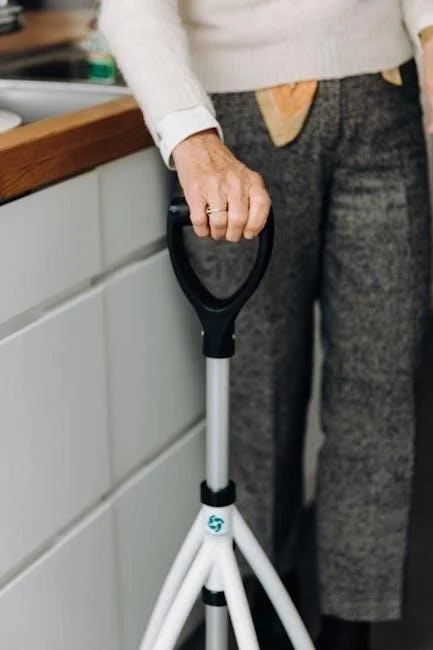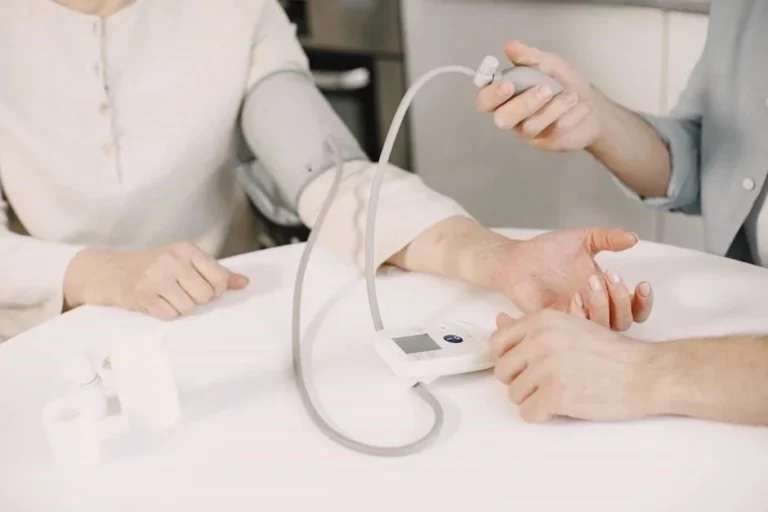
For many South Asian families in New York City, caring for an aging parent is more than a responsibility; it is a sacred duty that honors our heritage and family bonds. Transitioning to professional assistance can feel like a departure from tradition, yet finding a caregiver who understands your specific cultural nuances can bridge the gap between clinical necessity and emotional comfort. My goal as a nurse is to help you navigate the complexities of the healthcare system while ensuring your loved one remains in a familiar, respectful environment. When we prioritize linguistic and cultural synergy, we are not just providing care; we are preserving the dignity of those who raised us.
Clinical Quick Answer
Accessing Urdu speaking home care NYC ensures that seniors can communicate vital health information accurately, which significantly reduces the risk of medication errors and hospital readmissions. Families have several Home Care Options, primarily through Medicaid programs like CDPAP or agency-based care, which provide financial support for bilingual assistance. These services are essential for South Asian seniors who require help with activities of daily living while maintaining their religious, dietary, and linguistic traditions.
The Importance of Urdu Speaking Home Care NYC
In the diverse landscape of New York City, the South Asian community represents a vibrant and growing demographic. For many seniors in this community, English is often a second language, and as cognitive decline or health issues arise, they may revert to their native Urdu. Finding Urdu speaking home care NYC is not merely a matter of convenience; it is a clinical necessity for several reasons:
- Accurate Symptom Reporting: Seniors can describe nuances in pain or discomfort that might be lost in translation with a non-Urdu speaker.
- Reduced Anxiety: Familiarity in language creates a sense of safety, particularly for those suffering from dementia or Alzheimer’s.
- Social Engagement: Being able to converse, share stories, and interact in one’s native tongue prevents the profound isolation often seen in immigrant senior populations.
- Medication Adherence: Caregivers who speak Urdu can clearly explain the purpose of medications and follow complex dosage instructions provided by physicians.
- Trust Building: A shared language fosters a deeper bond between the aide and the senior, leading to better cooperation with daily care tasks.
Exploring New York Home Care Options for South Asian Families
Navigating the New York healthcare system requires understanding the various Home Care Options available to residents. Depending on your financial situation and the level of care required, you may qualify for different programs. The NY State DOH provides guidelines for these services, which are typically divided into two main categories:
- CDPAP (Consumer Directed Personal Assistance Program): This is a popular choice for South Asian families because it allows the senior to choose their own caregiver, including family members or friends. This ensures that the caregiver already speaks Urdu and understands the family’s specific cultural traditions.
- Traditional LHCSA (Licensed Home Care Services Agency): Families can work with an agency that employs certified Home Health Aides (HHAs). Many agencies in NYC specifically recruit Urdu-speaking staff to meet the needs of the community in Brooklyn, Queens, and the Bronx.
- MLTC (Managed Long Term Care): Most Medicaid recipients in NYC must enroll in an MLTC plan, which coordinates their home care services and helps determine the number of hours of care authorized per week.
- Private Pay Services: For those who do not qualify for Medicaid, private pay options allow for the highest level of customization in choosing a caregiver with specific linguistic and cultural skills.
- Hospice and Palliative Care: Culturally sensitive end-of-life care is available for those with terminal illnesses, ensuring that religious rites and family preferences are honored.
Cultural Sensitivity in Daily Care Routines
Home care for South Asian seniors goes beyond medical tasks; it involves a deep respect for daily rituals and lifestyle choices. A caregiver who understands the cultural background of an Urdu-speaking household will be more effective in the following areas:
- Dietary Requirements: Understanding the importance of Halal food, specific spice profiles, and traditional meals like lentils, rice, and flatbreads.
- Religious Observances: Respecting prayer times (Salat), facilitating wudu (cleansing), and understanding the significance of fasting during Ramadan for those who are medically able.
- Modesty and Gender Preferences: Many South Asian seniors prefer caregivers of the same gender due to cultural and religious beliefs regarding modesty and physical touch.
- Family Hierarchy: Recognizing the role of the eldest son or daughter in decision-making and showing appropriate respect to the elders of the household.
- Holistic Practices: Understanding the use of traditional remedies alongside Western medicine and ensuring they do not interfere with prescribed treatments.
Clinical Benefits of Linguistic Concordance
Research consistently shows that when a patient and provider share the same language—a concept known as linguistic concordance—the clinical outcomes are significantly better. This is especially true for the elderly, who may face multiple chronic conditions. The benefits include:
- Lower Risk of Falls: When instructions about mobility and safety are delivered in Urdu, the senior is more likely to follow them correctly.
- Better Chronic Disease Management: Conditions like diabetes and hypertension are prevalent in the South Asian community; a bilingual aide can help manage diet and monitoring more effectively.
- Emergency Response: In a crisis, an Urdu-speaking aide can communicate effectively with the senior to calm them while explaining the situation to emergency responders.
- Mental Health Support: Depression and loneliness are common in immigrant seniors; a caregiver who can engage in meaningful conversation provides essential emotional support.
- Neurological Monitoring: Aides who speak the same language are often the first to notice subtle changes in speech patterns or memory, which can indicate a stroke or progression of dementia.
How to Qualify for Medicaid-Funded Home Care in NYC
For most families, the cost of home care is a major concern. Fortunately, New York’s Medicaid program is one of the most robust in the country for home-based services. The process generally involves several key steps:
- Medicaid Enrollment: The senior must meet certain income and asset requirements. For those over the limit, a “Pooled Income Trust” can often help them qualify.
- NYIA Assessment: The New York Independent Assessor (NYIA) conducts a clinical evaluation to determine if the individual requires assistance with activities of daily living (ADLs) such as bathing, dressing, or meal preparation.
- Selection of an MLTC: Once eligible, the family chooses a Managed Long Term Care plan that will oversee the care.
- Finding an Urdu-Speaking Provider: Families should specifically request a list of agencies that have Urdu-speaking staff or opt for the CDPAP program to hire someone they know.
- Ongoing Re-assessments: Care plans are reviewed periodically to ensure the level of service matches the senior’s changing health status.
Overcoming Barriers to Quality Care for South Asian Elders
Despite the availability of services, many South Asian families face barriers to accessing the best Home Care Options. Overcoming these challenges requires proactive advocacy and awareness:
- Overcoming Stigma: Some families feel that hiring outside help is a sign of neglect. It is important to view home care as a tool that allows the family to focus on being loved ones rather than just caregivers.
- Navigating Paperwork: The Medicaid application process can be overwhelming. Seeking help from a specialist or a social worker who speaks Urdu can be invaluable.
- Clarifying CDPAP Rules: Many are unaware that they can be paid to care for their own parents. Education on these policies empowers families to stay together.
- Ensuring Agency Accountability: If an agency provides an aide who is not a good cultural fit, families have the right to request a change or switch agencies entirely.
- Addressing Health Literacy: Providing educational materials in Urdu about common conditions like heart disease helps both the senior and the caregiver manage health more effectively.
Nurse Insight: In my experience, South Asian seniors often under-report pain or physical struggles because they do not want to become a “burden” to their children or to an aide who doesn’t understand their background. I have seen remarkable transformations in patient health when an Urdu-speaking caregiver is introduced. Suddenly, the patient becomes more vocal, more engaged in their physical therapy, and more compliant with their medications. My advice to families is to never settle for a caregiver who cannot communicate with your parent; the connection formed through a shared language is the most powerful medicine we have.
Frequently Asked Questions
How do I find Urdu speaking home care NYC for my elderly parent?
The best way is to search for Licensed Home Care Services Agencies (LHCSAs) that specifically serve the South Asian community in boroughs like Queens or Brooklyn. Additionally, you can use the CDPAP program to hire an Urdu-speaking family member or a trusted individual from your community, ensuring a perfect linguistic match.
What are the primary Home Care Options available in New York?
New York offers several options: CDPAP (Consumer Directed Personal Assistance Program), which allows you to hire your own caregiver; traditional agency-directed home health aides; and private nursing for high-acuity needs. Most of these are funded through Medicaid Managed Long Term Care (MLTC) plans.
Does Medicaid cover the cost of culturally sensitive home care?
Yes. If your loved one is eligible for Medicaid and is assessed as needing help with daily tasks, Medicaid will pay for home care services. This includes the ability to select an aide who speaks Urdu and understands specific dietary and cultural requirements.
Can a family member be paid to provide Urdu speaking care at home?
Yes, through the CDPAP program, a family member (excluding a legal spouse or parent of a minor child) can be hired and paid as a caregiver. This is an excellent option for Urdu-speaking families who want to keep care within the family while receiving financial support from Medicaid.
What if my parent needs specialized medical care in addition to an aide?
For seniors with complex medical needs, Home Care Options include “Certified Home Health Agency” (CHHA) services, which provide short-term skilled nursing and physical therapy. Long-term needs are managed through MLTC plans, which can coordinate both an Urdu-speaking aide for daily tasks and a visiting nurse for medical treatments.
Contact ProLife Home Care NYC for a free clinical assessment:(718) 232 – 2777