
Navigating a dementia diagnosis is a profound challenge for any family, but in the vibrant tapestry of New York City, it often comes with the added layer of a language barrier. As a senior nurse working in the heart of our city, I have seen firsthand how the right words in a familiar dialect can soothe a troubled mind better than any clinical intervention. Choosing the right Multilingual Alzheimer’s care NYC is about more than just translation; it is about preserving the dignity and history of your loved one. My goal is to guide you through the complexities of care so your family can focus on making meaningful connections during this time.
Clinical Quick Answer
Multilingual Alzheimer’s care NYC provides essential cognitive and emotional support by ensuring that seniors can communicate their needs in their primary language, which is often the only language retained as dementia progresses. These specialized services leverage cultural familiarity to reduce anxiety, minimize behavioral outbursts, and improve clinical outcomes for non-English speaking patients. Utilizing New York’s CDPAP and Medicaid programs allows families to secure culturally competent care that respects the patient’s heritage and linguistic needs.
The Critical Role of Native Language in Alzheimer’s Care NYC
- The Regression to First Language: In clinical settings, we frequently observe that bilingual patients lose their second language as Alzheimer’s attacks the brain’s executive functions, making native language care a medical necessity rather than a luxury.
- Reducing Misdiagnosis: A language barrier can often lead to the misinterpretation of dementia symptoms as simple confusion or lack of cooperation, which is why having a fluent caregiver is vital for accurate assessment.
- Emotional Safety: Hearing a childhood tongue provides a sense of safety and “home” that English-only environments cannot replicate for many NYC seniors.
- Cultural Nuances: Effective Alzheimer’s Care NYC must account for cultural idioms and expressions that describe pain, hunger, or distress, which are often lost in translation.
- Social Engagement: Multilingual environments encourage patients to participate in group activities, preventing the rapid decline associated with social isolation in memory care settings.
- Family Inclusion: Caregivers who speak the family’s language ensure that children and spouses are fully integrated into the care plan and clinical updates.

Clinical Benefits of Multilingual Alzheimer’s Care NYC
- Decreased Agitation: Patients are significantly less likely to experience “sundowning” or combativeness when they feel understood by their immediate caregivers.
- Improved Nutritional Intake: When a caregiver understands specific cultural food preferences and can describe meals in the patient’s native tongue, we see a marked improvement in appetite and weight maintenance.
- Medication Compliance: Clear communication reduces the fear and paranoia often associated with taking new medications, as the caregiver can explain the process in familiar terms.
- Enhanced Brain Stimulation: Engaging the brain in native-language conversation acts as a form of cognitive therapy, potentially slowing the functional decline in communication skills.
- Accurate Pain Management: Seniors in NYC often use specific regional metaphors to describe physical discomfort; multilingual staff are trained to recognize these cues.
- Higher Satisfaction Scores: Both patients and families report significantly higher levels of satisfaction and less caregiver burnout when linguistic barriers are removed.
Navigating NYC Medicaid and CDPAP for Multilingual Support
- Understanding CDPAP: The Consumer Directed Personal Assistance Program is a New York State initiative that allows the patient to choose their own caregiver, including family members who already speak the native language.
- Eligibility for Alzheimer’s Care NYC: To qualify for these services, a senior must generally be eligible for Medicaid and require assistance with daily living activities due to cognitive impairment.
- The Application Process: Families should begin by contacting a local New York Medicaid office or a specialist to start the assessment process for long-term care services.
- Hiring Bilingual Professionals: If a family member is not available, many NYC agencies specialize in providing aides who speak Spanish, Mandarin, Russian, Cantonese, Yiddish, and many other languages.
- Compliance and Documentation: Ensuring that all care is documented according to NY State standards is crucial for maintaining funding and high-quality clinical care.
- Resource Links: For the most up-to-date regulations and application portals, families should visit the NY State DOH website.
The Psychological Impact of Cultural Competence in Memory Care
- Validating Life Experiences: Using the patient’s native language validates their identity and personal history, which is often under threat by the progression of Alzheimer’s.
- Music and Memory: Multilingual programs often incorporate traditional music from the patient’s home country, which has been shown to activate dormant parts of the brain.
- Religious and Spiritual Support: For many in NYC, spiritual care is inseparable from medical care; having staff who understand religious customs and prayers in the native language is essential.
- Reducing Caregiver Guilt: Families often feel immense guilt when placing a loved one in care; knowing the staff speaks the family language provides peace of mind.
- Community Integration: Specialized centers in neighborhoods like Brighton Beach, Jackson Heights, or Chinatown offer a continuum of care that feels like an extension of the local community.
- Building Trust: Trust is the foundation of dementia care. It is built much faster when the caregiver and patient share a common linguistic and cultural background.
Strategies for Communicating When Words Fail
- Visual Aids and Pictograms: Even within a native-language framework, using pictures can help bridge the gap as the disease reaches the late stages.
- Body Language Mastery: Multilingual caregivers in NYC are often trained in “validation therapy,” which emphasizes emotional tone over literal word meaning.
- Simple Sentence Structure: Regardless of the language, using short, direct sentences helps the Alzheimer’s brain process information more effectively.
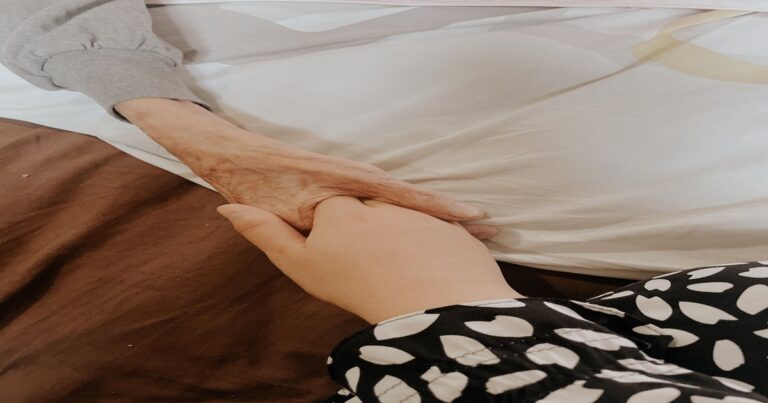
- The Power of Touch: In many cultures represented in NYC, appropriate physical touch is a powerful communicator of care and safety when verbal communication is difficult.
- Routine and Consistency: Keeping the same bilingual caregiver allows the patient to form a “wordless” bond that transcends the limitations of their memory.
- Active Listening: Caregivers are trained to listen for the “emotion” behind the words, which is especially important in the complex linguistic landscape of Multilingual Alzheimer’s care NYC.
Future Planning and Advocacy for Diverse Families in NYC
- Health Care Proxy: It is vital to designate a health care proxy who understands the patient’s cultural and linguistic wishes should they become unable to communicate.
- Legal Assistance: Many NYC non-profits provide legal aid for immigrant families navigating the complexities of elder law and Medicaid planning.
- Support Groups: Joining a support group with other families from the same cultural background can provide invaluable localized advice and emotional relief.
- Advocating for Quality: Families should never hesitate to demand linguistic accommodations in any NYC healthcare facility, as it is a right protected by state and city laws.
- Continuous Assessment: As the disease progresses, the level of linguistic support needed may change, requiring regular updates to the care plan.
- Final Care Wishes: Discussing end-of-life care in the native language ensures that the patient’s deepest values and traditions are respected until the very end.
Nurse Insight: In my experience, the moment a patient with advanced dementia hears a song or a greeting in their native tongue, their entire posture changes. They relax, their eyes brighten, and for a moment, the “fog” of the disease lifts; In New York City, we are blessed with incredible diversity, but that also means we must work harder to ensure no senior is left in a “silent world” simply because their caregiver doesn’t speak their first language. Don’t be afraid to be a “squeaky wheel” when searching for the right Alzheimer’s Care NYC—your loved one’s comfort depends on it.
Frequently Asked Questions
Can I really get paid to take care of my own parent through Medicaid?
Yes, through the CDPAP program in New York, Medicaid allows patients to choose their own caregivers, including family members. This is an excellent way to ensure your loved one receives Multilingual Alzheimer’s care NYC from someone they already know and trust.
What if I don’t qualify for Medicaid but still need multilingual care?
There are private pay agencies and community-based non-profits throughout NYC that offer sliding scale fees or specialized programs for various ethnic communities. You can also look into long-term care insurance policies that may cover specialized home care.
How do I know if a facility’s “multilingual” claim is legitimate?
When touring a facility for Alzheimer’s Care NYC, ask to speak with the specific staff members who will be on the floor. Check if the signage, activity calendars, and menus are available in the target language, and observe if the staff is actually interacting with residents in that language.
Is it better to keep my loved one at home or in a facility?
This depends on the level of care required and the safety of the home environment. Many families in NYC prefer home care because it keeps the senior in a familiar cultural and linguistic setting, but specialized memory care facilities can provide 24/7 medical supervision that home care may not.
How can I help my loved one if I don’t speak their native language fluently?
You can use translation apps for basic needs, but the best approach is to supplement your care with a professional aide or a community volunteer who is fluent. Maintaining their connection to their culture through music, food, and native-language media is also incredibly helpful.
Contact ProLife Home Care NYC for a free clinical assessment:(718) 232 – 2777