Navigating the healthcare journey for an aging parent in the heart of Brooklyn can often feel like an overwhelming responsibility for any devoted family. In our vibrant Flatbush community, preserving the dignity and cultural heritage of our elders is just as vital as managing their clinical health needs. Choosing specialized care means ensuring your loved ones are supported by professionals who speak their language and honor their life stories. We believe that every Haitian senior deserves to age with grace, surrounded by the familiar sights and sounds of the neighborhood they helped build.
Clinical Quick Answer
Haitian senior care in Flatbush Brooklyn provides a culturally synchronized approach to medicine that significantly improves health outcomes by eliminating linguistic barriers and fostering trust between caregivers and patients. By integrating Brooklyn Home Care services with the Consumer Directed Personal Assistance Program (CDPAP), families can ensure their elders receive professional clinical oversight while maintaining their independence at home. This model of care focuses on chronic disease management, fall prevention, and nutritional support tailored to the specific needs of the Caribbean diaspora.
The Critical Role of Language in Haitian Senior Care
- Eliminating Miscommunication: For many seniors in Flatbush, English may be a second or third language, making it difficult to describe symptoms or understand complex medical instructions. Haitian-led care ensures that Kreyòl and French speakers are available to bridge this gap.
- Medication Adherence: Clinical studies show that patients who communicate with providers in their native tongue are more likely to follow medication schedules accurately, reducing the risk of accidental overdose or missed doses.
- Psychological Comfort: Hearing one’s native language reduces cortisol levels and anxiety in elderly patients, especially those suffering from cognitive decline or dementia.
- Advocacy in the Healthcare System: Bilingual caregivers act as advocates during doctor appointments, ensuring that the physician understands the patient’s full history and cultural context.
- Social Connectivity: Shared language fosters deeper bonds between the senior and the caregiver, preventing the profound loneliness that often accompanies aging in an immigrant community.
In Flatbush, the “Little Haiti” corridor is more than just a geographic location; it is a sanctuary of culture. When Brooklyn Home Care providers integrate into this environment, they bring a level of empathy that standard agencies might lack. The ability to discuss one’s health in Kreyòl allows a senior to express nuances in their pain or discomfort that might otherwise be lost in translation. This linguistic synchronization is a cornerstone of effective clinical outcomes in the home setting.

Navigating NYC Medicaid and CDPAP in Flatbush
- The CDPAP Advantage: The Consumer Directed Personal Assistance Program allows Flatbush residents to choose their own caregivers, including children or grandchildren, who can be compensated for their work.
- Eligibility Requirements: Seniors must be eligible for New York Medicaid and require assistance with daily activities (ADLs) to qualify for these programs.
- Managed Long-Term Care (MLTC): Understanding the transition into an MLTC plan is essential for securing the maximum hours of care allowed by the state.
- Documentation Support: Professional agencies assist families in gathering the necessary medical documentation and physician orders required for program enrollment.
- Financial Security for Families: By utilizing Brooklyn Home Care structures, family members who have had to reduce their working hours to care for a parent can find a sustainable financial path.
The complexity of the New York State Department of Health regulations can be daunting. Many families in Flatbush are unaware that they can receive financial support for the care they are already providing. By partnering with a Haitian-led service, families get access to consultants who understand the specific bureaucratic hurdles often faced by immigrant households. This ensures that no senior goes without the hours of care they are entitled to under the law.
Clinical Management of Chronic Diseases in the Haitian Community
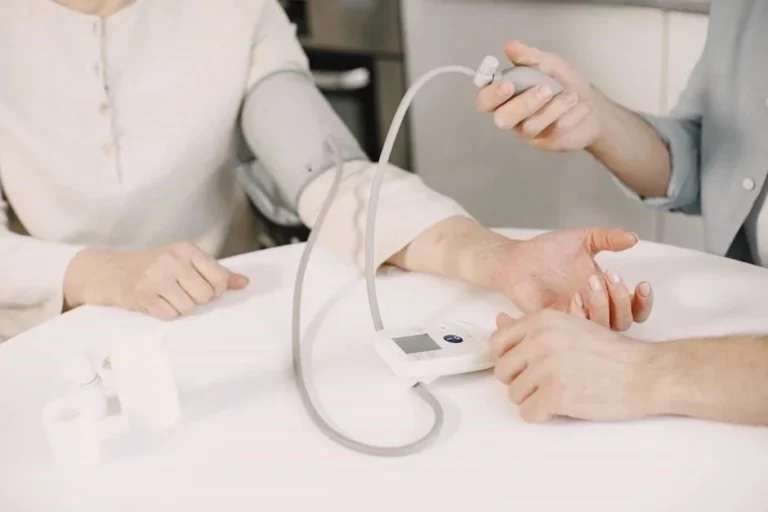
- Hypertension Monitoring: High blood pressure is a prevalent concern in the Caribbean community; regular monitoring by trained aides can prevent strokes and heart attacks.
- Diabetes Care and Education: Caregivers assist with blood glucose monitoring and help seniors understand the impact of traditional diets on their A1C levels.
- Wound Care Management: For seniors with limited mobility, professional nursing oversight is crucial to prevent pressure ulcers and ensure proper healing of surgical sites.
- Cardiovascular Support: Coordinating with cardiologists in Brooklyn to ensure that heart failure patients are following fluid restrictions and sodium-controlled diets.
- Respiratory Health: Managing conditions like COPD or asthma, which can be exacerbated by the urban environment and aging housing stock in parts of Flatbush.
Effective Haitian senior care in Flatbush Brooklyn goes beyond simple companionship; it involves a high degree of clinical vigilance. Aides are trained to spot early warning signs of complications, such as edema or sudden weight gain, which could indicate worsening heart conditions. By catching these issues early, the caregiver can notify the nursing supervisor, potentially preventing a trip to the emergency room at Kings County Hospital or SUNY Downstate.
Safety and Mobility: Adapting Flatbush Homes for Aging
- Environmental Assessments: Evaluating the older brownstones and apartments in Flatbush for trip hazards, such as loose rugs or steep stairs.
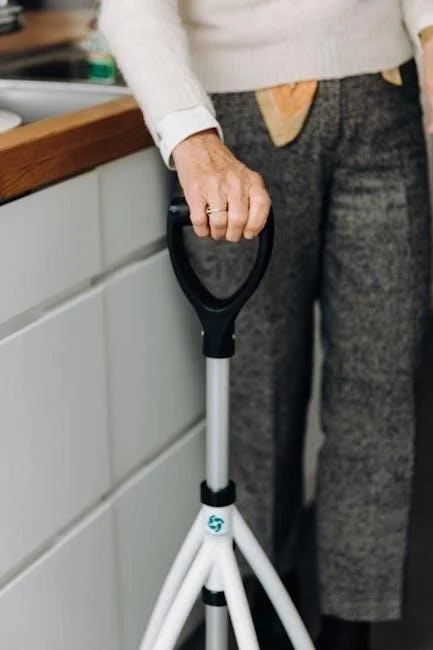
- Durable Medical Equipment (DME): Assisting families in obtaining hospital beds, walkers, and shower chairs through their insurance providers.
- Fall Prevention Strategies: Implementing exercises to improve balance and strength, tailored to the senior’s current physical capabilities.
- Transfer Assistance: Training caregivers in safe techniques for moving a senior from a bed to a chair, reducing the risk of injury to both the patient and the provider.
- Night-Time Supervision: Providing overnight care for seniors who are prone to “sundowning” or who need help navigating to the bathroom in the dark.
Flatbush is home to many beautiful but older residential structures that may not be naturally accessible for those with limited mobility. A key part of Brooklyn Home Care is performing a thorough home safety check. This clinical intervention is designed to keep the senior in their home for as long as possible, avoiding the transition to a nursing home. Modification recommendations, such as installing grab bars in the bathroom, are standard parts of a comprehensive care plan.
Nutritional Support and Cultural Dietary Needs
- Culturally Relevant Meal Prep: Preparing traditional staples like diri ak pwa (rice and beans) or bouyon in a way that meets medical dietary restrictions.
- Sodium and Sugar Modification: Educating both the senior and the family on how to use spices like épis to maintain flavor while reducing salt and sugar intake.
- Hydration Management: Ensuring that seniors consume enough water throughout the day, which is critical for kidney function and cognitive clarity.
- Grocery Shopping Assistance: Helping seniors shop at local Flatbush markets to select fresh, high-quality ingredients that align with their nutritional goals.
- Monitoring Nutritional Deficiencies: Identifying signs of malnutrition or dehydration that may require clinical intervention or vitamin supplementation.
Diet is a cornerstone of Haitian culture and an essential element of senior health. In many cases, seniors may resist medical diets because the food feels foreign or unpalatable. Haitian-led caregivers excel here by finding the middle ground—preparing the foods the senior loves while ensuring they are prepared in a heart-healthy or diabetic-friendly manner. This respect for the palate is a major factor in improving the quality of life for seniors in the Brooklyn area.
Mental Health, Cognitive Care, and Social Engagement
- Dementia and Alzheimer’s Support: Providing specialized care that focuses on memory stimulation and maintaining a calm, predictable environment.
- Combatting Social Isolation: Encouraging participation in local community centers, church groups, or senior clubs in Flatbush.
- Depression Screening: Monitoring for signs of withdrawal or loss of interest, which are often overlooked in the elderly but are highly treatable.
- Cognitive Exercises: Engaging seniors in conversation, puzzles, or storytelling to keep the mind active and slow the progression of cognitive decline.
- Family Respite Care: Providing primary family caregivers with the break they need to avoid burnout, ensuring the entire family unit remains healthy.
The psychological well-being of a senior is just as important as their physical health. In the Haitian community, there is often a strong emphasis on family and church. A caregiver who understands these pillars can help a senior stay connected to their spiritual life and social circles. Whether it is helping them dress for a Sunday service or simply sitting with them to look through old photographs, these interactions are vital. By choosing Brooklyn Home Care that is rooted in the community, you are investing in your loved one’s happiness and mental acuity.
Nurse Insight: In my experience working with families in Brooklyn, the most successful home care outcomes happen when the caregiver feels like a natural extension of the family. In the Haitian community specifically, respect for elders is a core value. When you look for Haitian senior care in Flatbush Brooklyn, don’t just ask about clinical certifications—ask if the caregiver understands the specific traditions and the importance of faith and food in your loved one’s life. This cultural alignment is what truly prevents hospital readmissions because the senior feels safe, understood, and motivated to follow their care plan. Always remember to check the NY State DOH website to verify an agency’s license status and recent surveys.
Frequently Asked Questions
What is the difference between an HHA and a CDPAP assistant?
A Home Health Aide (HHA) is a trained professional provided by an agency who follows a specific care plan. A CDPAP assistant is someone the senior chooses themselves (like a family member), who may not have formal training but is directed by the senior or their representative.
How much does Haitian senior care in Flatbush cost?
For those with Medicaid, these services are often covered at little to no out-of-pocket cost. Private pay rates vary, but many agencies in Brooklyn offer competitive pricing for specialized cultural care.
Can I switch to a Haitian-led agency if I already have a provider?
Yes, patients have the right to choose their provider. You can request a transfer of your services to an agency that better meets your linguistic and cultural needs by contacting your MLTC coordinator.
Does the caregiver help with transportation to appointments in Brooklyn?
While policies vary by agency, most home care plans include assistance with ambulation and escorting the senior to medical appointments, often using Access-A-Ride or private transportation.
Is 24-hour care available in Flatbush?
Yes, for seniors who require around-the-clock supervision due to safety concerns or medical needs, agencies can arrange for “live-in” care or split-shift 24-hour coverage.
Contact ProLife Home Care NYC for a free clinical assessment:(718) 232 – 2777