
As a Senior NYC Nurse, I have spent decades helping families navigate the intersection of medical necessity and religious devotion. Seeing your loved one age at home while maintaining their lifelong commitment to kashrut is a beautiful goal that requires careful coordination between clinical care and community support. In the vibrant Orthodox neighborhoods of Brooklyn, the Bronx, and Queens, ensuring that dietary needs for Orthodox seniors NYC are met is essential for both physical health and psychological well-being. My role is to help you bridge the gap between Medicaid regulations and the holy traditions that define your family’s daily life.
Clinical Quick Answer
Managing dietary needs for Orthodox seniors NYC involves integrating strict kashrut standards with geriatric nutritional protocols to prevent sarcopenia, dehydration, and chronic disease exacerbation. Families should leverage Medicaid-funded Nutrition Food Resources, such as kosher-certified home-delivered meals and CDPAP caregivers who understand kitchen separation laws. Proper management requires regular assessment by a Registered Dietitian who respects religious boundaries while ensuring caloric and micronutrient targets are met.
Understanding Dietary Needs for Orthodox Seniors NYC
The dietary requirements for elderly members of the Orthodox community are twofold: they must satisfy the clinical needs of an aging body and the spiritual mandates of Jewish law. As we age, our metabolism slows, and the risk for malnutrition increases. For an Orthodox senior, the emotional stress of potentially violating kashrut can lead to decreased appetite and weight loss.
- Kashrut Standards: Ensuring all food products have reliable certifications (e.g., OU, OK, Star-K) and maintaining the separation of meat and dairy equipment.
- Caloric Density: Many seniors require smaller, more frequent meals that are nutrient-dense to combat natural appetite suppression.
- Fiber Intake: High-fiber kosher grains and vegetables are vital to manage digestive health, which often slows down in the elderly.
- Hydration: Monitoring fluid intake is critical, especially during the summer months in NYC or when taking diuretic medications for heart health.
- Texture Modification: For seniors with dysphagia (swallowing difficulties), kosher foods must be prepared in pureed or soft formats without losing their ritual significance.
Essential Nutrition Food Resources in New York City
New York City offers a robust network of Nutrition Food Resources specifically tailored to the Jewish community. Navigating these can significantly reduce the financial and logistical burden on family caregivers. The NY State DOH provides guidelines on food safety and assistance programs that can be utilized alongside these community resources.
- Kosher Meals on Wheels: Programs through JASA and the Met Council deliver fresh or frozen glatt kosher meals directly to the homes of homebound seniors.
- Emergency Food Pantries: Organizations like Masbia and the Met Council Food Bank operate kosher pantries throughout Brooklyn and Queens for those facing food insecurity.
- Medicaid MLTC Meal Benefits: Many Managed Long Term Care plans include a benefit for home-delivered meals; always request the “Kosher” option during enrollment or assessment.
- SNAP (Supplemental Nutrition Assistance Program): Ensure your loved one is maximizing their SNAP benefits, which can be used at many local kosher supermarkets.
- Bikur Cholim Societies: Local community volunteer groups often provide home-cooked kosher meals for seniors returning from hospital stays.
Clinical Considerations for Chronic Conditions
Managing chronic illness within the framework of a kosher diet requires precision. Many traditional Jewish foods are high in sodium or carbohydrates, which can be problematic for seniors with hypertension or diabetes. A clinical approach involves modifying recipes while keeping the cultural essence intact.
- Diabetes Management: Reducing sugar in Shabbat desserts and choosing whole-grain challah options to manage blood glucose levels.
- Hypertension: Limiting salt in chicken soup and deli meats; opting for fresh herbs and spices to flavor traditional dishes.
- Kidney Disease: Working with a renal dietitian to ensure protein intake from kosher sources (meat/fish) is within safe limits for kidney function.
- Osteoporosis: Ensuring adequate calcium through Cholov Yisroel dairy products or fortified non-dairy substitutes if the senior is lactose intolerant.
- Cognitive Health: Incorporating Omega-3 fatty acids through kosher-certified fish like salmon or sardines, which are staples in many Jewish diets.
Integrating Medicaid Home Care and Kitchen Management
The Medicaid home care system, particularly the Consumer Directed Personal Assistance Program (CDPAP), is a powerful tool for Orthodox families. It allows the senior to hire a family member or a community member who is already fluent in the laws of kashrut, eliminating the risk of accidental non-kosher cross-contamination.
- Caregiver Training: If hiring a traditional Home Health Aide (HHA), the family must provide clear, written instructions on which pots, pans, and utensils are used for meat (Fleishig) and dairy (Milchig).
- Color-Coding: Implementing color-coded labels or handles in the kitchen can help non-Jewish or non-observant aides maintain the integrity of the kosher home.
- Safety Protocols: Ensuring the aide knows how to safely use warming trays (blechs) for Shabbat without creating fire hazards.
- Meal Planning: Caregivers should assist in creating a weekly menu that balances nutritional needs with the requirements of the Jewish calendar.
- Medication Timing: Coordinating medications that must be taken with food, especially around fasting days or the Shabbat schedule.
Monitoring for Malnutrition and Dehydration
In my experience, seniors may quietly struggle with eating if they feel they cannot adequately maintain their religious standards. Clinical monitoring is essential to catch early signs of decline. Families and caregivers should be vigilant during routine check-ups.
- Weight Monitoring: Weekly weigh-ins to ensure there is no unexplained weight loss, which could indicate a struggle with meal preparation.
- Skin Turgor: Checking for signs of dehydration, particularly after holidays that involve fasting or long synagogue services.
- Oral Health: Ensuring dentures fit properly so the senior can chew traditional foods like brisket or crunchy vegetables.
- Blood Work: Regular testing for Vitamin B12, Vitamin D, and Iron, as deficiencies can lead to lethargy and cognitive fog.
- Psychosocial Assessment: Evaluating if the senior is eating alone, as social isolation often leads to poor nutritional intake.
Special Considerations for Shabbat and Holidays
The cycle of the Jewish year brings unique nutritional challenges. Shabbat and holidays involve festive meals that can be physically taxing for a senior to prepare or digest. A clinical care plan must account for these weekly and seasonal shifts.
- Shabbat Preparation: Ensuring that the senior has enough pre-cooked, nutritious food to last the 25 hours of Shabbat when cooking is prohibited.
- Fasting Guidelines: For holidays like Yom Kippur, medical necessity often overrides the obligation to fast. Pikuach Nefesh (saving a life) is a primary principle in Judaism.
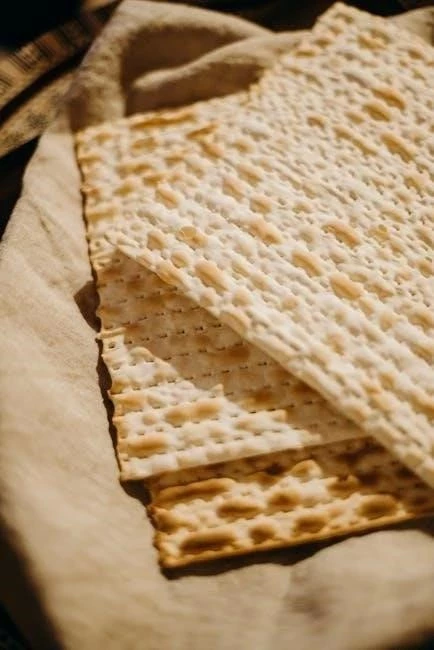
- Passover Nutrition: Managing the shift in diet during Passover, which can cause digestive issues due to the high consumption of matzah; prioritizing hydration and fiber-rich vegetables is key.
- Portion Control: Encouraging the use of smaller plates during large holiday meals to prevent overeating and subsequent digestive distress.
- Community Inclusion: If the senior cannot go to the synagogue, bringing the “Kiddush” or holiday spirit to them through food can boost mental health and appetite.
Nurse Insight: In my experience, the biggest hurdle for Orthodox seniors isn’t the lack of food, but the fear of losing control over their kitchen’s sanctity. I always tell families: don’t just hire an aide; hire someone who respects the ‘why’ behind the separate sinks. When a senior feels their faith is respected, they are much more likely to comply with medical dietary restrictions like low-sodium or diabetic-friendly meals. It’s about nourishing the soul as much as the body.
Frequently Asked Questions
Can Medicaid home care assistants prepare Glatt Kosher meals?
Yes, through programs like CDPAP, families can hire caregivers who are familiar with specific kashrut standards, or home health aides can be trained by the family to maintain a kosher kitchen while preparing meals. This ensures that the religious integrity of the home is maintained while the senior receives necessary nutritional support.
Are there specific Nutrition Food Resources for Orthodox seniors in Brooklyn and Queens?
Yes, organizations like the Met Council, JASA, and local Bikur Cholim groups provide specialized kosher food pantries and home-delivered meal programs specifically designed for the Orthodox community. These resources are often familiar with the high standards of kashrut required by the community.
How do I ensure nutritional supplements like Ensure are kosher?
Many nutritional shakes are certified kosher (often OU or OU-D). It is essential to check the labels for the specific certification required by the senior’s rabbi or personal stringency level. Most hospitals and pharmacies in NYC carry kosher-certified medical nutrition products.
Does NYC Medicaid cover home-delivered kosher meals?
Managed Long Term Care (MLTC) plans often have contracts with vendors that provide medically tailored, kosher home-delivered meals for those who are unable to cook for themselves. You should contact the MLTC case manager to request a referral for kosher meal delivery services.
What should we do if a senior wants to fast on Yom Kippur despite medical risks?
This requires a consultation between the senior’s physician and their rabbi; often, ‘shiurim’ (small amounts of food or water at set intervals) or total exemption is clinically and religiously mandated for those with chronic conditions. In Judaism, protecting one’s health is a paramount religious obligation.
Contact ProLife Home Care NYC for a free clinical assessment:(718) 232 – 2777