As a veteran nurse practicing in the diverse neighborhoods of New York City, I have seen how spiritual health serves as the bedrock of physical resilience for our aging population. For families navigating the complexities of elder care, the preservation of a loved one’s religious identity is often just as crucial as their clinical medication schedule. We recognize that when a senior becomes homebound, the inability to attend a church, synagogue, or mosque can create a profound sense of loss and spiritual malnutrition. By integrating prayer assistance into the daily routine, we are not just providing a service; we are honoring the lifelong values and the internal strength of the person we serve.
Clinical Quick Answer
Spiritual support through Private Home Care involves trained aides facilitating the physical and environmental requirements for a senior’s religious practice, such as positioning, reading sacred texts, or preparing ritual items. Research indicates that prayer assistance for homebound seniors NYC significantly mitigates the risks of social isolation and clinical depression by maintaining the patient’s cognitive and emotional connection to their faith. This holistic approach ensures that the medical care provided is supported by a foundation of emotional well-being and psychological stability.
The Therapeutic Value of Spiritual Continuity in Geriatric Care
In the clinical field, we often talk about the biopsychosocial model of health, which asserts that biological, psychological, and social factors all play a significant role in human functioning. Prayer and religious rituals fall squarely into the psychological and social pillars of this model. For a senior living in NYC, the transition to being homebound can be traumatic, often leading to a loss of purpose. Maintaining prayer rituals provides a sense of continuity that anchors the individual amidst the changes of aging.
- Reduction in Stress Response: Engaging in repetitive, familiar prayers or meditations activates the parasympathetic nervous system, lowering heart rate and reducing the production of stress hormones like cortisol.
- Cognitive Stimulation: Reciting liturgical texts or following the structured steps of a ritual provides essential cognitive exercise, which is particularly beneficial for those in the early stages of cognitive decline.
- Emotional Regulation: Faith-based rituals offer a constructive outlet for processing grief, health-related anxiety, and the existential concerns that often arise in later life.
- Circadian Rhythm Support: Regular prayer times (such as morning prayers or the Angelus) help homebound seniors maintain a structured daily schedule, which improves sleep patterns and orientation.
- Sense of Agency: Choosing to pray and following through with that choice gives seniors a sense of control over their environment and their inner life.
The Role of Private Home Care in Facilitating Rituals
Private Home Care goes beyond the standard checklists of vital signs and hygiene. It involves a deep understanding of the patient’s lifestyle and what makes their life worth living. For many NYC seniors, their faith is their primary identity. A professional home aide acts as the physical surrogate for the senior, performing the tasks the senior can no longer manage on their own to ensure their spiritual needs are met with dignity.
- Environment Preparation: Aides can set up a ‘sacred space’ within a small NYC apartment, ensuring that the area is clean, quiet, and oriented in the correct direction (such as facing East or toward Mecca).
- Physical Assistance with Posture: For seniors with mobility issues, aides provide the necessary physical support to help them sit upright, kneel (if safe), or hold religious objects like beads, icons, or books.
- Reading and Recitation: For those with failing eyesight or hearing, the aide can read scriptures, prayers, or devotional literature aloud, maintaining the senior’s connection to their sacred texts.
- Technology Integration: In our modern era, aides can assist seniors in accessing ‘virtual’ services via tablets or computers, allowing them to participate in their local NYC congregation’s live-streamed worship.
- Observation of Dietary Laws: Private care includes ensuring that meals are prepared in accordance with religious laws (Halal, Kosher, Lenten fasts), which is a vital form of spiritual practice.
Navigating Prayer Assistance for Homebound Seniors NYC
New York City is a unique landscape for elder care, characterized by its extreme diversity and the physical challenges of urban living. Prayer assistance for homebound seniors NYC requires an aide who understands the specific cultural nuances of the city’s various enclaves. Whether it is a senior in an elevator building in the Upper West Side or a multi-generational home in Queens, the care must be tailored to the specific religious and logistical environment of the city.
- Cultural Matching: Many NYC agencies strive to match aides with seniors who share a similar cultural or religious background, facilitating a deeper level of comfort and understanding.
- Accessing Community Resources: Aides can coordinate with local NYC clergy who provide home visits, ensuring that the senior remains an active member of their faith community.
- Logistical Support for Holidays: During major religious festivals (Passover, Easter, Ramadan, Diwali), aides provide the extra support needed to manage the complex rituals and dietary changes associated with these times.
- Transportation to Local Landmarks: If the senior is occasionally mobile, Private Home Care can include escorted trips to local houses of worship, providing a vital link to the outside world.
- Advocacy within the Healthcare System: Aides and nurses can ensure that the senior’s spiritual preferences are documented and respected by other members of the healthcare team.
Mental Health Benefits and the Prevention of Isolation
The ‘loneliness epidemic’ among seniors is a major public health concern in New York. Isolation is not just a feeling; it is a clinical risk factor that can lead to increased cardiovascular disease and a faster progression of dementia. Prayer rituals often serve as a bridge to others, even if those rituals are performed at home. When an aide participates in or facilitates these rituals, they are providing high-level companionship that addresses the root causes of isolation.
- Building a Bond of Trust: Sharing in a senior’s spiritual life fosters a deep, trusting relationship between the aide and the patient, which improves compliance with other medical treatments.
- Combating ‘Sundowning’: For seniors with Alzheimer’s, the late afternoon can be a time of increased confusion; a structured evening prayer ritual can provide a calming influence during this difficult time.
- Validation Therapy: Acknowledging and supporting a senior’s faith validates their life history and personal identity, which is a key component of modern geriatric psychological care.
- Hope as a Clinical Factor: Maintaining a spiritual connection often fosters a sense of hope and resilience, which is statistically linked to better recovery outcomes after surgery or illness.
- Community Connection: By helping the senior stay updated on church or synagogue news, the aide keeps them feeling like a valued member of society rather than a forgotten patient.
Implementation: Safety and Physical Considerations
While the focus of prayer is spiritual, the implementation is physical. In a Private Home Care setting, safety is always the priority. We must ensure that the desire to practice rituals does not lead to falls or other injuries. As a nurse, I work with families to create a ‘Spiritual Care Plan’ that balances the senior’s religious needs with their physical limitations.
- Fall Prevention: We assess whether traditional postures (like kneeling or prostrating) are safe, and if not, we work with the senior to adapt the ritual to a seated or reclining position.
- Safe Use of Candles/Incense: In many NYC apartments, open flames are a significant fire hazard; we recommend and help implement the use of LED candles or electric incense burners.
- Hydration and Fasting: For seniors who wish to fast for religious reasons, the home care team provides medical supervision to ensure that fasting does not interfere with medication or lead to dangerous dehydration.
- Ergonomic Support: Using pillows and specialized chairs to ensure the senior is comfortable during longer periods of prayer or meditation.
- Skin Integrity: Ensuring that periods of sitting or kneeling do not lead to pressure sores, especially for seniors with compromised circulation.
The Future of Holistic Senior Care in New York
As the healthcare industry moves toward more personalized, person-centered care, the integration of spiritual support will become a standard expectation rather than an ‘extra.’ NYC families are increasingly looking for Private Home Care options that treat their loved ones as whole people. By prioritizing prayer assistance for homebound seniors NYC, we are setting a new standard for what it means to age with dignity and grace in the city.
- Integrative Nursing Practices: More nurses are being trained to include spiritual assessments as part of their standard intake process.
- Interdisciplinary Teams: The future involves closer collaboration between home care agencies, social workers, and religious organizations.
- Enhanced Aide Training: Ongoing education for home health aides focuses on empathy, cultural literacy, and the practicalities of spiritual support.
- Data-Driven Outcomes: We are beginning to track the impact of spiritual support on hospital readmission rates and overall patient satisfaction.
- Policy Support: Advocacy groups are working to ensure that holistic care models are recognized and supported by state and local health policies.
For more information on the standards of care and resources available for seniors in our state, you can visit the NY State DOH website.
Nurse Insight: In my experience, the most dramatic improvements in a senior’s “will to recover” often happen not after a change in medication, but after we successfully reconnect them with their faith community or ritual. I remember a patient who had stopped eating after a stroke; it wasn’t until her aide began playing recordings of her favorite hymns and helped her hold her prayer book that she regained her appetite and her spirit. Never underestimate the power of the soul in the healing of the body.
Frequently Asked Questions
What exactly does prayer assistance for homebound seniors NYC entail?
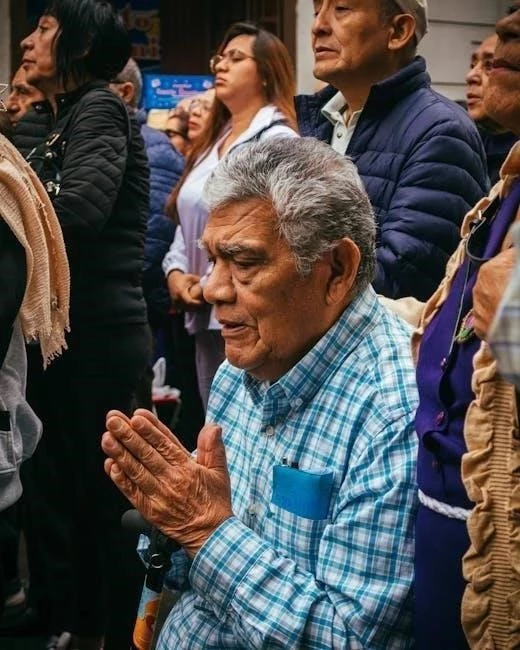
Prayer assistance includes physical support such as helping a senior move to a prayer rug or chair, setting up religious icons or texts, reading scriptures aloud, and ensuring the environment is quiet and respectful for their rituals.
Can Private Home Care aides accommodate different religious traditions?
Yes, professional Private Home Care agencies in NYC prioritize cultural competence, training aides to respect and facilitate the specific customs of various faiths, including Judaism, Christianity, Islam, Buddhism, and others.
How does spiritual support improve clinical outcomes for seniors?
Spiritual support is linked to lower blood pressure, reduced cortisol levels, and decreased symptoms of depression and anxiety, all of which contribute to faster recovery and better management of chronic illnesses.
Is prayer assistance covered under standard home care services?
While it is not a medical procedure, it is considered a vital part of ‘activities of daily living’ (ADL) support and emotional companionship, which are core components of holistic private home care plans.
What if my loved one has dementia and forgets their prayer rituals?
Aides trained in memory care can use ‘sensory cues’ like familiar music, scents like incense, or the tactile feel of rosary beads to help trigger the senior’s spiritual memory and provide comfort through familiar patterns.
Contact ProLife Home Care NYC for a free clinical assessment:(718) 232 – 2777