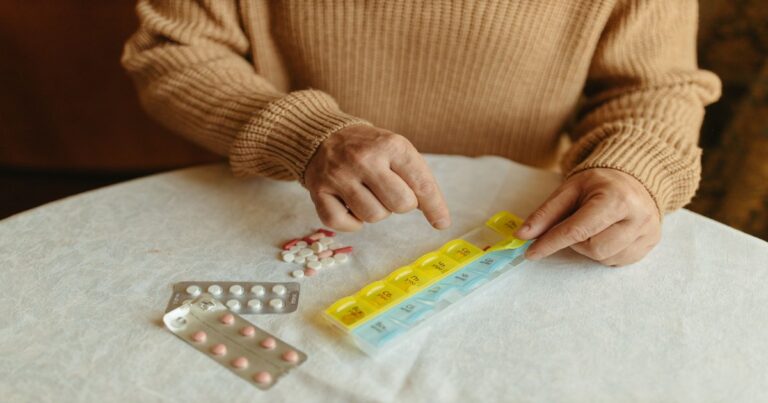

As a senior nurse who has spent years visiting homes across Brooklyn, Queens, and Manhattan, I know that for our Jewish community, healthcare is inseparable from faith. When your elderly parent is prescribed a new regimen, the concern isn’t just about side effects, but also about maintaining the spiritual purity of their home. Navigating the world of pharmaceutical ingredients can be incredibly stressful for family caregivers who are already balancing dozens of responsibilities. My mission is to guide you through the complexities of Kosher medication management NYC seniors require, ensuring your loved ones receive the clinical care they need without compromising their religious commitments.
Clinical Quick Answer
Effective Kosher medication management NYC seniors involves a systematic review of inactive ingredients such as gelatin, glycerin, and magnesium stearate to ensure compliance with dietary laws. Maintaining Medication Safety is the highest priority, meaning patients must never discontinue essential therapies for religious reasons without first consulting both their physician and a qualified rabbi to discuss the principle of Pikuach Nefesh. Families can optimize care by utilizing specialized NYC pharmacies and rabbinical databases to identify certified alternatives or liquid formulations that meet kashrut standards.
Understanding the Nuances of Kosher Medication for NYC Seniors
In the densely populated Jewish neighborhoods of New York City, from Williamsburg to the Upper West Side, the intersection of geriatric medicine and Halacha (Jewish Law) is a daily reality. For many seniors, particularly those in the Orthodox community, the definition of what is ‘permissible’ changes based on the form of the medication. Generally, medications that are swallowed (like pills) are viewed differently than those that are injected or applied topically. However, for a senior who observes strict kashrut, even a non-nutritive pill can be a source of significant anxiety if it contains forbidden substances.
- The Form Matters: Tablets are often preferred over capsules because capsules are frequently made from animal-derived gelatin (often porcine or non-kosher bovine).
- The Taste Factor: Medications that are chewable or in liquid form have a higher level of kashrut scrutiny because they are tasted, which brings them closer to the category of ‘food’ under religious law.
- NYC Specific Resources: NYC families have unique access to local rabbinical councils that work directly with neighborhood pharmacies to vet stock for kashrut compliance.
- Psychological Impact: For a senior, knowing their medication is kosher can increase treatment adherence, as they do not feel they are ‘sinning’ by taking their medicine.
When we talk about Kosher medication management NYC seniors, we are looking at a holistic approach. It is not just about the chemistry of the drug, but the peace of mind it provides to the patient. In my years of practice, I have seen that a patient who trusts the purity of their medicine is much more likely to follow their dosing schedule accurately.
Common Non-Kosher Ingredients in Senior Pharmaceuticals
Many people are surprised to learn that the primary ingredients in medications—the active chemicals—are rarely the issue. Instead, it is the ‘inactive’ ingredients used to bind, coat, or flavor the medication that pose challenges for kashrut. For caregivers in NYC, becoming a ‘label reader’ is an essential part of Medication Safety. You must look beyond the brand name to the fine print of the ingredient list.
- Gelatin: Typically derived from the skin and bones of non-kosher animals, used almost exclusively in soft-gel capsules and some hard-shell capsules.
- Magnesium Stearate: A common lubricant used in tablet manufacturing; it can be derived from animal fats or vegetable oils. Only vegetable-derived stearates are inherently kosher.
- Glycerin: Often used in cough syrups and liquid medications, this can be a byproduct of animal fat processing.
- Lactose: Derived from milk, this can create issues with the law of ‘Basar Bechalav’ (mixing meat and milk) if the senior takes the medication shortly after a meat meal.
- Stearic Acid: Used as a binder, it must be verified as vegetable-based to be considered kosher.
Identifying these ingredients is the first step in Kosher medication management NYC seniors. If you find these ingredients on a label, the next step is not to throw the bottle away, but to contact a professional who can determine if the concentration is negligible or if a vegetable-based version of the same drug exists.
The Principle of Pikuach Nefesh and Medication Safety
The most critical aspect of Medication Safety in the Jewish community is the concept of Pikuach Nefesh, which states that preserving human life overrides almost all other religious obligations. In the context of senior care, this means that if a medication is life-sustaining—such as blood thinners, insulin, or heart medication—it must be taken regardless of its kosher status if no alternative is available. No senior should ever be placed at risk of a stroke, heart attack, or diabetic crisis because of a concern over gelatin.
- Consultation is Key: Always consult a rabbi who is well-versed in medical halacha. They often provide ‘heter’ (permission) for specific drugs based on the senior’s health status.
- Emergency Situations: In an emergency, clinical safety always comes first. NYC emergency rooms and hospitals are equipped to handle these discussions, but the medical priority is stabilization.
- Chronic vs. Acute: While acute, life-saving meds are rarely questioned, chronic supplements or ‘comfort’ medications (like vitamins or mild pain relievers) are where the search for kosher alternatives is most emphasized.
- Physician Communication: Ensure the NYC physician understands that the patient prefers kosher options. Many doctors are unaware that ‘kosher’ is an option for certain drugs.
As a nurse, I always tell families: God wants you to be healthy. Using the principle of Pikuach Nefesh is a sign of respect for the sanctity of life. Our goal in Kosher medication management NYC seniors is to find the path that honors both the body and the soul.
Practical Management Strategies for NYC Caregivers
Managing medications for a senior is already a logistical challenge. When you add the layer of kashrut, it requires an even more organized system. NYC homes are often small, and keeping ‘milk’ and ‘meat’ medications separate, or ensuring that Passover-certified meds are stored correctly, requires a dedicated strategy. Medication Safety begins with a clean, organized environment.
- Color-Coded Organizers: Use different colored pill organizers (blue for dairy-containing or morning meds, red for meat-proximate or evening meds) to help the senior stay compliant with timing rules.
- Pharmacy Partnerships: Develop a relationship with a local NYC pharmacy that specializes in the Jewish community. These pharmacists often keep lists of which generic brands use vegetable-derived binders.
- Compounding Pharmacies: For seniors who cannot swallow tablets and need liquids, NYC compounding pharmacies can often create custom, kosher-certified versions of standard medications using kosher syrups and flavorings.
- Digital Tracking: Use apps to track which medications have been checked for kashrut status, especially when a new generic brand is substituted by insurance.
Effective Kosher medication management NYC seniors relies on these small, daily habits. By taking the guesswork out of the process, you reduce the ‘caregiver burden’ and ensure that the senior feels supported and understood in their own home.
Navigating Passover (Pesach) Medication Challenges
Passover presents the most significant challenge for Kosher medication management NYC seniors. During this eight-day period, the prohibition against ‘chametz’ (leaven) is extremely strict. Many medications use corn starch (which is kitniyot and avoided by Ashkenazim) or wheat starch (which is chametz) as a filler. In NYC, the weeks leading up to Passover are often a flurry of activity as families try to determine which medications can stay and which must go.
- The ‘Passover List’: Every year, organizations like the CRC release a comprehensive list of medications that are chametz-free. Secure this list early.
- Don’t Stop Meds: It is a clinical rule: never stop chronic medications during Passover without a doctor’s oversight. Most ‘pill’ medications that are swallowed are permissible even if they contain kitniyot, as they are not ‘eaten’ in a traditional sense.
- Liquid and Chewable Alerts: These are the most likely to contain chametz and are the primary focus for replacement during the holiday.
- The ‘Bitul’ Concept: Rabbis may explain that if a non-kosher ingredient is less than 1/60th of the product and serves a medicinal purpose, it may be nullified, but this must be confirmed by a religious authority.
Ensuring Medication Safety during this busy holiday requires planning. I advise my NYC families to review their senior’s entire medicine cabinet at least three weeks before the Seder. This gives enough time to call the doctor for alternative prescriptions if necessary.
Collaborating with NYC Healthcare Teams
You are not alone in this. New York City has some of the best resources in the world for Kosher medication management NYC seniors. From the NY State DOH, which sets safety standards, to local community organizations, there is a wealth of support available. The key is to be proactive and vocal about your senior’s religious needs.
- Home Health Aides: Ensure that your HHA understands the importance of kashrut. If they are responsible for administering meds, they need to know which ones are ‘dairy’ and which are ‘meat’ if applicable.
- Geriatric Care Managers: In NYC, care managers can act as the liaison between the rabbi, the doctor, and the pharmacy, ensuring nothing falls through the cracks.
- Social Workers: Many NYC hospitals have Jewish social workers who can help find funding for more expensive kosher-certified vitamins or supplements that insurance might not cover.
- Education: Educate your clinical team. Most NYC nurses and doctors are eager to learn and respect their patients’ cultural backgrounds; they just need you to provide the information.
By building a team that respects both clinical Medication Safety and religious purity, you create a safety net for your loved one. This collaborative approach is what makes NYC home care so unique and effective for our senior population.
Nurse Insight: In my experience, the biggest mistake families make is trying to handle this alone out of fear of ‘bothering’ their doctor with religious questions. In NYC, our doctors are used to this! I once worked with a senior in Boro Park who stopped her blood pressure meds because of a gelatin concern and ended up in the ER. I always tell my families: a living patient can observe many more Mitzvahs than one who is in the hospital. Always talk to us first; we can almost always find a solution that satisfies both your rabbi and your heart.
Frequently Asked Questions
What should I do if my senior’s life-saving medication contains non-kosher gelatin?
In the clinical and religious framework of NYC home care, the principle of Pikuach Nefesh (preserving life) takes precedence over dietary laws. You should never stop a vital medication; instead, consult with a rabbi and your physician to see if a kosher-certified alternative or a different delivery method, such as a tablet instead of a capsule, is available;

How can I verify if a specific prescription is kosher for year-round use?
Verification involves checking the inactive ingredients for animal-derived products like stearic acid or glycerin. Resources like the Star-K or CRC (Chicago Rabbinical Council) provide databases, but for NYC seniors, working with a specialized local pharmacist who understands Kosher medication management is the most reliable method.
Are there special rules for medication during Passover (Pesach) for seniors?
Yes, many medications contain chametz (leavened grain products) like wheat starch. During Passover, a specific list of approved medications is usually released by rabbinical boards, and it is crucial to review these with a healthcare provider to ensure Medication Safety while maintaining religious compliance.
Can a liquid medication be non-kosher due to flavoring?
Liquid medications often use glycerin or grape-based flavorings which may not be kosher. For seniors with swallowing difficulties, it is important to find a certified kosher liquid formulation or consult a compounding pharmacy that can prepare the medication using kosher-compliant bases.
Does Medicaid cover kosher-certified versions of medications?
Medicaid typically covers the standard FDA-approved version of a drug. If a kosher-certified alternative is a different brand or a compounded product, it may require a ‘Prior Authorization’ from the doctor stating medical or psychological necessity for the patient’s well-being.
Contact ProLife Home Care NYC for a free clinical assessment:(718) 232 – 2777