
As a Senior Nurse practicing in the heart of New York City‚ I have seen firsthand how the comfort of a home depends entirely on the respect shown to a family’s traditions. For many of our neighbors‚ modesty is not merely a preference but a sacred obligation that defines their sense of safety and dignity. When we bring care into a home‚ we are guests in a private sanctuary where religious boundaries must be honored with the same precision as medical protocols. My mission is to ensure that every Muslim woman in NYC receives care that empowers her health without compromising her faith or her family’s values.
Clinical Quick Answer
Effective home care for Muslim women in NYC centers on the principle of Haya‚ or modesty‚ which necessitates gender-matched caregiving and strict privacy during personal hygiene tasks. Agencies must prioritize female home health aides who are trained in Halal dietary laws‚ ritual cleanliness (Wudu)‚ and the scheduling of care around the five daily prayers. By integrating these cultural protocols‚ home care providers ensure higher patient compliance‚ reduced anxiety‚ and a respectful environment that supports long-term health outcomes.
The Critical Role of Gender-Matched Care in NYC
- Religious Necessity of Female Caregivers: In Islamic tradition‚ the concept of Awrah defines the parts of the body that should be covered. For women‚ this means that personal care‚ such as bathing‚ dressing‚ and toileting‚ must be performed by another woman to maintain religious integrity.
- Psychological Safety: Patients who feel their modesty is being respected are significantly less likely to experience “caregiver refusal” or depression. In a city as diverse as New York‚ providing a female aide is the first step in building a therapeutic alliance.
- Agency Responsibility: About ProLife and similar specialized agencies‚ the recruitment process specifically looks for caregivers who understand these nuances. This ensures that the patient does not have to constantly explain or defend her need for a female aide.
- Medicaid and CDPAP Options: Families in NYC can utilize the Consumer Directed Personal Assistance Program (CDPAP) to hire family members or trusted community members as aides‚ which often guarantees that modesty standards are naturally met.
- Impact on Physical Therapy: When female therapists are assigned‚ Muslim women are more likely to participate fully in exercises that might otherwise feel exposing or uncomfortable in the presence of a male practitioner.
Maintaining Modesty during Personal Care and Hygiene
- The Principle of Partial Uncovering: When an aide assists with bathing or wound care‚ they should only uncover the specific limb or area being treated. Using towels or sheets to drape the rest of the body is a standard clinical protocol that aligns with modesty in home care for Muslim women NYC.
- Ensuring Environmental Privacy: Before any personal care begins‚ the aide must ensure all window blinds are closed‚ bedroom doors are locked‚ and other family members (especially males) are notified to stay clear of the area.
- Handling of Hair and Hijab: For many Muslim women‚ the hair is a private part of their identity. An aide should be sensitive when assisting with hair care‚ ensuring that the patient is covered if a non-mahram (unrelated male) enters the home unexpectedly.
- Sensitivity during Toileting: Assistance with toileting must be handled with the utmost discretion. Aides should provide as much autonomy as safely possible‚ using wipes and water for cleansing (Istinja) as per Islamic hygiene practices.
- Clinical Observation without Intrusion: Nurses and aides are trained to perform skin checks and physical assessments efficiently‚ minimizing the time a patient spends in a state of undress while still ensuring no pressure sores or infections are missed.
Integrating Daily Prayer and Ritual Cleanliness
- Scheduling Care around Salah: The five daily prayers occur at specific times throughout the day. Aides should be aware of these times and avoid scheduling heavy physical activity or bathing during these windows.
- Assisting with Wudu (Ablution): Before prayer‚ a patient must perform a ritual washing. Aides can assist by bringing a basin of water or helping the patient to the sink‚ ensuring they can wash their face‚ arms‚ and feet according to the ritual sequence.
- Creating a Clean Prayer Space: The area where a patient prays must be ritually clean (tahir). Aides can help by vacuuming the area and ensuring the prayer rug (Sajadah) is stored in a clean place when not in use.
- Respectful Silence and Positioning: During prayer‚ a patient should not be interrupted unless there is a medical emergency. Aides should also avoid walking directly in front of a patient who is in the middle of their prayer.
- Handling Religious Items: Caregivers should be taught never to place the Quran on the floor or put other objects on top of it. This small gesture of respect goes a long way in establishing trust between the aide and the family.
Navigating Halal Dietary Requirements and Kitchen Etiquette
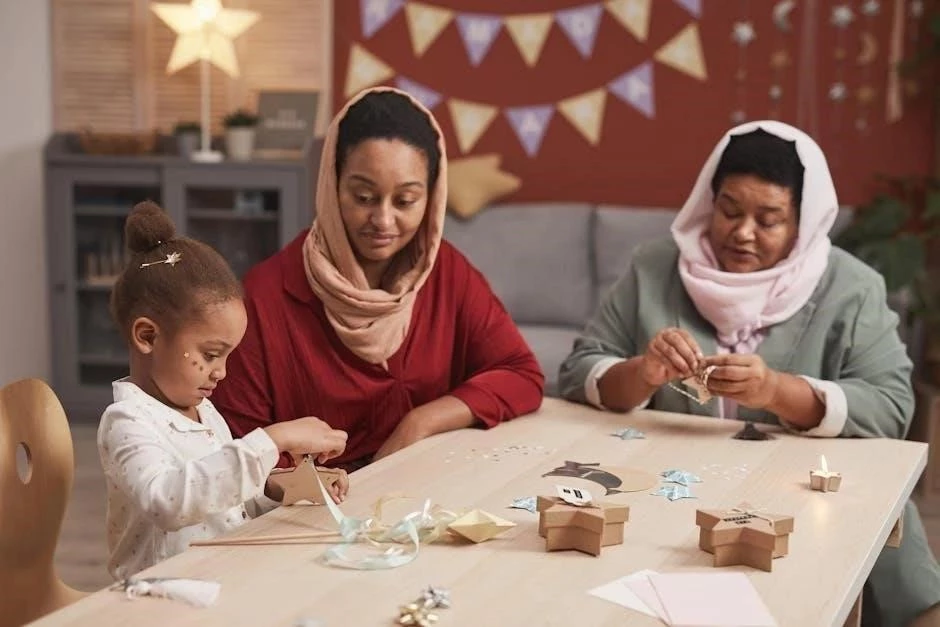
- Understanding Halal Standards: Halal refers to what is permissible. In the context of food‚ this means no pork or pork-derived products (like gelatin) and no alcohol. About ProLife training often includes these dietary basics for all home staff.
- Preventing Cross-Contamination: In many homes‚ there are specific pots‚ pans‚ and utensils used only for Halal meat. An aide must be careful not to mix these with items that might have touched non-Halal food if the household is mixed.
- Reading Labels: NYC aides should be diligent in reading ingredient labels on processed foods. Many common additives in American grocery stores contain stabilizers or enzymes derived from non-Halal sources.
- Medication Considerations: Some medications or supplements may contain porcine-based gelatin. While Islamic law often permits these if no alternative exists for a life-saving treatment‚ the aide should inform the family so they can consult with their Imam if desired.
- Ramadan Support: During the fasting month‚ an aide’s schedule may need to shift to assist with Suhoor (pre-dawn meal) and Iftar (post-sunset meal). Aides also monitor for signs of dehydration or low blood sugar in patients who choose to fast.
Communication and Professional Boundaries with Male Relatives
- The Role of the Mahram: In many Muslim households‚ a male relative (husband‚ son‚ or brother) may act as a protector or spokesperson for the female patient. Aides should respect this dynamic while still ensuring the patient’s own voice is heard in her care plan.
- Knocking and Announcing Presence: It is essential for an aide to knock and wait for a response before entering any room. This gives the patient time to adjust her clothing or head covering.
- Professionalism with Male Family Members: Female aides should maintain a professional and polite distance from male relatives in the home to respect the family’s boundaries and avoid any cultural misunderstandings.
- Language Access: Many Muslim women in NYC may speak Arabic‚ Bengali‚ Urdu‚ or other languages. Utilizing translation services or matching bi-lingual aides is a key part of modesty in home care for Muslim women NYC‚ as it allows the patient to express her privacy needs clearly.
- Documenting Cultural Preferences: Every detail of the patient’s modesty requirements should be included in the official care plan provided by the New York State Department of Health (DOH) guidelines.
Specialized Training for NYC Home Care Agencies
- Cultural Competency Curriculum: Leading agencies in NYC provide ongoing education for their staff regarding Islamic customs. This includes understanding the significance of the month of Ramadan and the various Eid holidays.
- Compliance with NY State DOH: All care protocols must meet the standards set by the NY State DOH‚ ensuring that while care is culturally sensitive‚ it remains clinically rigorous.
- Recruitment of Community-Based Aides: By hiring from within the same neighborhoods in Brooklyn‚ Queens‚ and the Bronx‚ agencies can provide aides who already share a common cultural and religious background with the patient.
- Emergency Protocols: Training includes how to handle medical emergencies while still maintaining as much modesty as the situation allows‚ such as ensuring a female EMT is requested if possible during a transport.
- The ProLife Commitment: About ProLife‚ we believe that high-quality home care is inseparable from cultural respect. Our aides are trained to be “cultural navigators” who bridge the gap between New York’s medical requirements and the sacred traditions of the home.
Nurse Insight: In my experience‚ the most successful home care placements occur when the aide views themselves not just as a medical provider‚ but as a guardian of the patient’s dignity. I once worked with a family in Astoria where the patient was refusing all help until we brought in an aide who understood the importance of the Hijab. The moment the patient realized her modesty would be protected‚ her blood pressure stabilized‚ and her willingness to participate in her own recovery increased ten-fold. Respecting these boundaries isn’t just “good manners”—it is vital clinical care.
Frequently Asked Questions
Can I request a female aide for my mother even if the agency is busy?
Absolutely. Under New York’s cultural competency guidelines‚ you have the right to request a caregiver who makes the patient feel comfortable. Agencies like ProLife Home Care prioritize these matches because we understand that for many Muslim women‚ a male aide is not an option for personal care.
What should I do if the home care aide doesn’t understand Halal rules?
You should immediately contact the agency’s supervisor. It is the agency’s responsibility to provide culturally trained staff. You can also provide a simple written list of “do’s and don’ts” for the kitchen to help the aide during the transition period.
Does the aide have to leave the room when my mother prays?
Not necessarily‚ but they should remain quiet and avoid walking in front of her. If your mother feels more comfortable with the aide leaving the room‚ that should be respected as part of her care plan.
Is there a way for a family member to be the aide and get paid?
Yes‚ through the CDPAP program in New York‚ a daughter or other relative can be hired as the personal assistant. This is a popular choice for many Muslim families as it completely removes any concerns regarding modesty and cultural barriers.
How does the aide handle visitors of the opposite sex?
The aide should be trained to alert the patient if a male visitor (like a repairman or another healthcare professional) is coming to the door. This allows the patient enough time to dress modestly or move to a private room.
Contact ProLife Home Care NYC for a free clinical assessment:(718) 232 – 2777