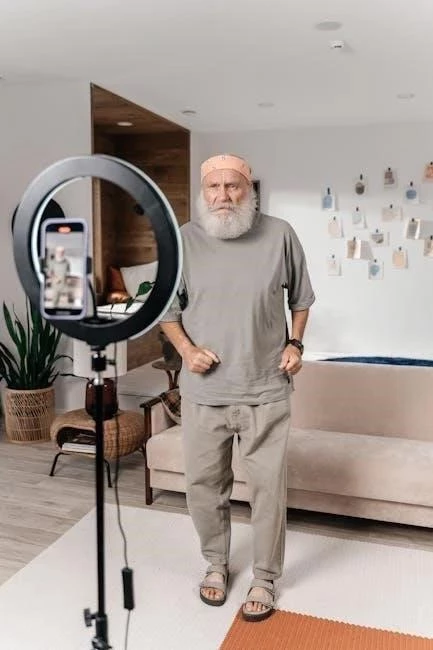
Watching our aging loved ones navigate the unique layouts of New York City apartments can be a source of constant anxiety for family caregivers. Simple environmental changes, like upgrading to smart home lights for seniors, can provide immediate peace of mind by illuminating potential hazards before an accident occurs. These technologies empower our elders to maintain their independence while significantly reducing the physical and emotional trauma associated with falls. By prioritizing visibility, we create a supportive home environment that honors their dignity and enhances their daily safety.
Clinical Quick Answer
Integrating smart home lights for seniors is a evidence-based strategy to mitigate the risk of nocturnal falls by eliminating the need for manual switch operation in dark environments. This technological intervention supports visual acuity and postural stability, serving as a core component of a modern Home Safety Guide for aging in place. Research indicates that automated, high-lumen pathways can reduce fall-related injuries by up to 30% in high-risk geriatric populations.
The Clinical Correlation Between Lighting and Geriatric Fall Risks
As the human body ages, several physiological changes occur that directly impact a senior’s ability to navigate their home safely. The lens of the eye naturally yellows and thickens, which reduces the amount of light reaching the retina. Clinically, an 80-year-old individual requires approximately three to four times more light than a 20-year-old to perform the same visual tasks. In the cramped or “shotgun” style layouts common in NYC apartments, shadows can easily hide tripping hazards like rug edges or electrical cords.
- Reduced Contrast Sensitivity: Seniors often struggle to distinguish between objects and their backgrounds in low-light settings, making it difficult to see the edge of a step or a change in flooring.
- Delayed Dark Adaptation: The time it takes for an elderly eye to adjust from a bright room to a dark hallway is significantly increased, creating a window of extreme vulnerability.
- Peripheral Vision Loss: Many aging adults experience a narrowing of the visual field, which makes automated lighting in peripheral areas essential for safe movement.
- Depth Perception Deficits: Inadequate lighting exacerbates issues with depth perception, leading to missteps on stairs or uneven thresholds.
- Pupillary Response: The pupil becomes smaller and less responsive with age, limiting the eye’s ability to react to sudden changes in illumination.
Implementation of Smart Home Lights for Seniors in NYC Apartments
When developing a Home Safety Guide for a New York City residence, the implementation of smart lighting must be strategic rather than haphazard. NYC apartments often feature long, narrow hallways and bathrooms located far from the primary bedroom. Smart bulbs offer a non-invasive way to automate these paths without the need for complex rewiring, which is often prohibited in rental agreements or older co-ops.
- Motion-Activated Pathways: Sensors should be placed at the bedside and along the route to the bathroom to ensure lights activate the moment a foot touches the floor.
- Adjustable Brightness Levels: Smart bulbs allow for “circadian lighting,” where lights are dim and warm at night to prevent sleep disruption, but bright and cool during the day to aid visibility.
- Voice-Controlled Activation: For seniors with limited mobility or arthritis, being able to say “Turn on the kitchen lights” removes the need to navigate across a dark room to find a wall switch.
- Scheduled Routines: Automatically turning on porch or entryway lights at sunset ensures that seniors never return to a dark home, reducing the risk of a fall at the threshold.
- Remote Monitoring for Caregivers: Many smart systems allow family members to receive notifications if lights are turned on in the middle of the night, potentially indicating a fall or a period of restlessness.
The Neurological Impact of Proper Illumination on Gait Stability
Gait stability is not just a matter of muscle strength; it is a complex neurological process that relies heavily on visual feedback. When a senior enters a dimly lit room, their brain receives less data regarding their environment, which leads to increased “postural sway.” This instability is a precursor to a fall. Smart home lights for seniors provide the consistent, high-quality illumination necessary to maintain the brain-to-body feedback loop.
- Proprioception Support: Clear visual markers provided by bright lighting help the brain understand where the body is in space.
- Reduction of Visual Noise: High-quality LED smart bulbs minimize “flicker,” which can cause dizziness or vertigo in some elderly patients.
- Cognitive Load Reduction: When a senior doesn’t have to focus intensely on seeing where they are going, they can dedicate more cognitive resources to balance and steady walking.
- Color Coding for Safety: Smart bulbs can be programmed to turn a specific color (e.g., soft red) for night-time navigation, which preserves night vision while providing enough light to see.
- Preventing “Sundowning” Effects: For those with dementia, proper lighting can reduce the confusion and agitation often associated with the transition from day to night.
Integrating Lighting into a Comprehensive Home Safety Guide
While lighting is a critical pillar of safety, it must be integrated into a broader environmental strategy. A Home Safety Guide should address the intersection of technology and physical modifications. In New York, where space is at a premium, every square foot must be optimized for safety. Smart bulbs are the “invisible” safety net that complements physical aids like grab bars and non-slip mats.
- Threshold Visibility: Use smart bulbs to highlight transitions between rooms, especially where floor heights vary.
- Kitchen Task Lighting: Bright, voice-activated under-cabinet lighting prevents accidents during meal preparation and medication management.
- Stairwell Synchronization: Ensuring that all bulbs in a multi-floor brownstone activate simultaneously prevents the “shadow gap” between floors.
- Emergency Pulsing: Some smart systems can be programmed to pulse the lights if a medical alert button is pressed, guiding emergency responders to the location.
- Integration with Security: Linking lights to smart doorbells ensures that the entryway is flooded with light when someone approaches, preventing a senior from rushing to the door in the dark.
Economic and Social Benefits for New York City Seniors
The cost of a fall in NYC can be astronomical, encompassing hospital bills, rehabilitation, and potentially the loss of independent living status. Investing in smart home lights for seniors is a cost-effective preventative measure. Furthermore, many NYC-based programs and MLTC (Managed Long Term Care) plans are beginning to recognize the value of environmental modifications as part of a holistic health plan.
- Prevention of Hospital Readmission: For seniors returning from surgery, automated lighting is a primary requirement to prevent a secondary fall.
- Insurance and Grant Opportunities: Some long-term care insurance policies and local NYC grants for “aging in place” may cover the cost of smart home technology.
- Energy Efficiency: Smart LED bulbs use significantly less power than traditional bulbs, which is a major benefit for seniors on a fixed income facing high NYC utility costs.
- Reduced Caregiver Burnout: Knowing that a loved one can move safely through their home reduces the constant vigilance required by family caregivers.
- Maintenance Longevity: Smart LEDs last for years, meaning seniors don’t have to climb ladders to change burnt-out bulbs—a high-risk activity in itself.
Overcoming Technical Barriers to Adoption
One of the primary concerns for seniors in NYC is the “tech gap.” However, modern smart home lights for seniors are designed with simplicity in mind. Professional installation services and user-friendly interfaces mean that even those who are not “tech-savvy” can benefit from these life-saving tools. The goal of any Home Safety Guide is to make the technology transparent and the safety immediate.
- Smart Switches vs. Smart Bulbs: For some, replacing the wall switch with a smart version is easier than managing individual bulbs, as the physical interface remains familiar.
- Hub-Free Systems: Many modern bulbs connect directly to Wi-Fi, eliminating the need for complicated “hub” devices.
- Large-Button Remotes: For those who don’t want to use voice or apps, many smart systems offer large, tactile remotes that can be mounted anywhere.
- Multi-User Access: Caregivers can manage the system settings from their own phones, ensuring the lights are always optimized for the senior’s needs.
Nurse Insight: In my experience working with Medicaid recipients across the five boroughs, the most dangerous hour for a senior is 3:00 AM. This is when many wake up to use the restroom, often in a state of “sleep inertia” and total darkness. I have seen far too many hip fractures that could have been prevented if the hallway had automatically illuminated. I always tell my families that smart home lights for seniors aren’t just a luxury; they are a vital medical necessity. If you are building a Home Safety Guide for your parent, start with the lighting—it is the fastest and most impactful change you can make today.
Frequently Asked Questions
How do smart home lights for seniors help if there is a power outage in NYC?
Are smart bulbs compatible with older wiring in New York pre-war buildings?
What is the best light color for senior safety at night?
Can I control the smart home lights for seniors from a different location?
Do smart bulbs require a high-speed internet connection to work?
Contact ProLife Home Care NYC for a free clinical assessment:(718) 232 – 2777