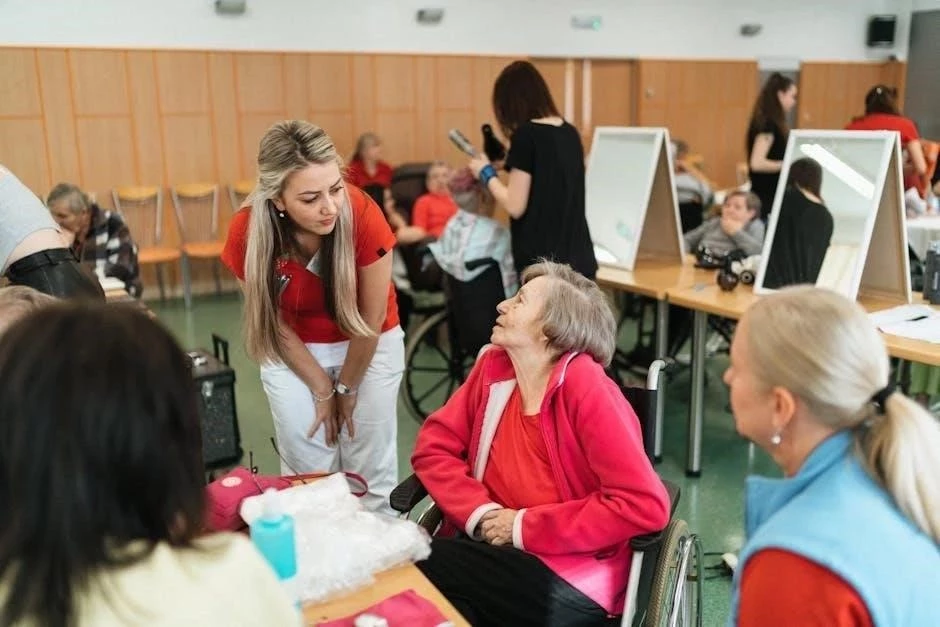
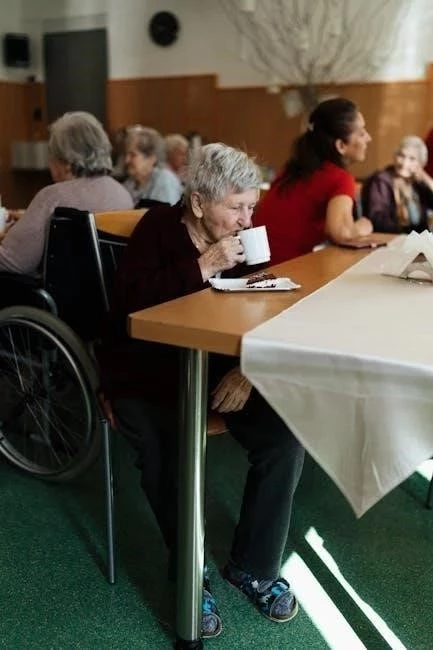
Caring for an aging family member in a bustling borough like Brooklyn can often lead to feelings of profound isolation and overwhelming stress. Finding reliable Caregiver support groups Brooklyn offers a vital emotional safety net where families can share their unique challenges without judgment. These communities provide access to essential resources and collective wisdom that can make the journey of caregiving significantly more manageable. By connecting with others in similar situations, Brooklyn residents can transform their caregiving experience from a solitary struggle into a supported, community-driven effort.
Clinical Quick Answer
Navigating the complexities of elder care in New York City requires a multi-faceted approach that combines emotional peer support with professional Senior Advocacy. Engaging with Caregiver support groups Brooklyn allows family members to mitigate the risks of caregiver burnout through shared coping strategies and localized resource mapping. Integrating these community connections with formal advocacy ensures that seniors receive optimal medical benefits while their caregivers maintain their own mental and physical health.
The Critical Role of Caregiver Support Groups in Brooklyn
The role of a family caregiver is one of the most demanding positions an individual can hold, often requiring the management of medical schedules, personal hygiene assistance, and complex financial planning. In Brooklyn, where the pace of life is rapid and the healthcare system can be labyrinthine, the need for communal support is paramount. Support groups serve as a hub for emotional release and practical information. They offer a space where the “invisible work” of caregiving is recognized and validated by others who are walking the same path. In neighborhoods from Brooklyn Heights to Sheepshead Bay, these groups foster a sense of belonging that is often lost when a caregiver becomes homebound due to their responsibilities.
- Reduction in psychological distress and clinical depression among family members.
- Access to localized knowledge about Brooklyn-based home health agencies and transportation services.
- Opportunities for respite care referrals that allow caregivers to take necessary breaks.
- Validation of the complex emotions associated with aging, including grief, frustration, and guilt.
- Improved communication skills for interacting with difficult-to-manage behaviors in seniors with dementia.
Understanding the Impact of Senior Advocacy on Family Dynamics
Senior Advocacy is not just about legal representation; it is about ensuring that the rights and dignity of older New Yorkers are protected at every level of society. When families engage with advocates, they are often seeking a voice in a system that can feel cold and bureaucratic. Advocates assist with navigating the intricacies of Medicaid applications, addressing housing issues such as rent freezes for seniors (SCRIE), and ensuring that medical facilities provide the standard of care required by law. For a family in Brooklyn, an advocate acts as a bridge between the clinical needs of the senior and the social services available within the borough.
- Assistance with Medicaid Pooled Income Trusts to help seniors remain eligible for benefits.
- Protection against elder financial abuse and predatory scams targeting the vulnerable.
- Navigating the transition from independent living to assisted living or skilled nursing facilities.
- Ensuring language access for non-English speaking seniors in medical settings.
- Legal guidance on healthcare proxies, power of attorney, and advanced directives.
In-Person vs. Virtual Support: Choosing the Right Fit in NYC
The digital divide and the physical constraints of caregiving have led to a diverse array of support formats in New York City. In-person meetings in Brooklyn libraries, community centers, and houses of worship provide a level of human connection and physical presence that many find irreplaceable. However, the rise of virtual support groups has revolutionized access for those who cannot leave their loved ones alone or who struggle with the logistics of NYC travel. Virtual platforms allow for “micro-breaks” where a caregiver can join a session from their kitchen table, gaining instant access to a community without the stress of a commute.
- Virtual groups offer flexibility for caregivers working full-time or managing young children.
- In-person groups provide tactile emotional support and stronger local networking opportunities.
- Hybrid models allow for consistent attendance regardless of weather or health fluctuations.
- Specialized online forums provide 24/7 access to peer advice for immediate crisis management.
- Local Brooklyn meetups often include guest speakers from neighborhood medical centers.
Navigating Specialized Support for Dementia and Chronic Illness
General caregiving is difficult, but caring for someone with Alzheimer’s disease or other forms of dementia requires specialized knowledge and specific emotional tools. Brooklyn is home to several organizations that focus exclusively on memory care and chronic illness. These groups often follow a more structured clinical curriculum, teaching caregivers how to manage “sundowning,” wandering, and the loss of verbal communication. By focusing on the specific pathology of a disease, these groups help demystify the progression of illness, allowing families to plan for the future with greater clarity and less fear.
- Memory cafes in Brooklyn where seniors and caregivers can socialize in a safe environment.
- Education on the pharmacological and non-pharmacological management of cognitive decline.
- Support specifically tailored for the “sandwich generation” caring for both children and aging parents.
- Bereavement groups that help families navigate the unique “prolonged grief” of neurodegenerative diseases.
- Workshops on home safety modifications to prevent falls and injuries in the elderly.
The Intersection of Medicaid Planning and Community Resources
In New York, Medicaid is a primary funder for long-term care, but the application process is notoriously difficult. Community support groups and advocacy organizations often provide the first line of education regarding “asset spend-down” and “look-back periods.” For many Brooklyn families, the goal is to keep their loved ones at home for as long as possible through the Consumer Directed Personal Assistance Program (CDPAP). Understanding these programs through the lens of community experience helps families avoid common pitfalls that could lead to a denial of services or financial ruin.
- Peer advice on choosing the right fiscal intermediary for CDPAP services in Brooklyn.
- Sharing experiences with different Managed Long-Term Care (MLTC) plans available in NYC.
- Resource lists for low-cost legal clinics specializing in elder law.
- Guidance on accessing the Supplemental Nutrition Assistance Program (SNAP) for seniors.
- Information on local food pantries and “Meals on Wheels” programs specific to Brooklyn ZIP codes.
Building a Sustainable Caregiving Plan for the Future
Sustainability in caregiving means creating a plan that does not rely solely on one individual’s stamina. It involves building a “care team” that includes medical professionals, advocates, friends, and support group members. By utilizing Caregiver support groups Brooklyn, families can begin to piece together a long-term strategy that accounts for the eventual decline in a senior’s health. This proactive approach reduces the likelihood of emergency hospitalizations and ensures that the caregiver’s own health is not sacrificed. Building this community is an act of resilience that benefits the entire family unit and the wider Brooklyn community.
- Creating a “red folder” with all essential medical and legal documents for emergencies.
- Identifying local backup caregivers and professional respite services before they are needed.
- Engaging in regular self-care practices encouraged and monitored by support group peers.
- Utilizing technology such as medical alert systems and medication dispensers.
- Regularly reviewing and updating the care plan with a professional Senior Advocacy specialist.
Nurse Insight: In my experience working with families across Brooklyn, the most successful caregivers are those who realize early on that they cannot do this alone. I have seen daughters and sons reach a breaking point simply because they felt they had to be the “perfect” caregiver in isolation. The moment they step into a support group or hire an advocate, the tension visibly lifts. My advice is to find your “tribe” before you are in a crisis; having those phone numbers ready when things get tough is the best medicine for the caregiver’s soul.
Frequently Asked Questions
Where can I find free caregiver support groups in Brooklyn?
What is the difference between a support group and individual therapy?
How can a Senior Advocacy specialist help with Medicaid?
Are there virtual support groups specifically for NYC residents?
What should I do if my parent refuses outside help?
Contact ProLife Home Care NYC for a free clinical assessment:(718) 232 – 2777