Caring for an aging parent or relative in the bustling heart of Queens can often feel like an overwhelming journey that tests your emotional limits. We recognize that the relentless pace of New York City life, combined with the complexities of elder care, creates a unique set of stressors for local families. It is vital to remember that prioritizing your own psychological well-being is not a luxury, but a fundamental necessity for providing sustainable care. Accessing the right support networks can transform a chaotic caregiving experience into a manageable and fulfilling path for both you and your loved one.
Clinical Quick Answer
Effective management of mental health for senior caregivers Queens involves early recognition of burnout symptoms, such as chronic fatigue, irritability, and social withdrawal; Families should actively engage in Senior Advocacy to navigate the bureaucratic hurdles of Medicaid and home care, which significantly reduces psychological distress. Professional counseling combined with community-based respite services provides the necessary framework for long-term emotional resilience in high-pressure caregiving environments.
Identifying Caregiver Burnout in the Queens Urban Environment
The high-density living and fast-paced nature of Queens can exacerbate the physical and emotional strain felt by those caring for seniors. Unlike more suburban areas, caregivers in NYC often face additional challenges such as navigating public transportation with mobility-impaired seniors or managing care in multi-generational, space-limited households. Recognizing the signs of clinical burnout is the first step toward recovery.
- Emotional Exhaustion: Feeling constantly drained, even after resting, and experiencing a sense of dread regarding daily caregiving tasks.
- Increased Irritability: Losing patience more quickly with the senior or other family members, often followed by intense feelings of guilt.
- Social Isolation: Withdrawing from the diverse social opportunities Queens offers because the demands of care leave no time for personal connections.
- Somatic Symptoms: Developing frequent headaches, digestive issues, or chronic pain that has no clear medical cause but coincides with caregiving stress.
- Sleep Disturbances: Difficulty falling asleep or staying asleep due to “hyper-vigilance,” where the caregiver is always listening for the senior's movements.
- Neglecting Personal Health: Skipping one’s own doctor appointments or failing to manage chronic conditions like hypertension due to time constraints.
Navigating Mental Health for Senior Caregivers Queens: Local Support Systems
Queens is home to a wealth of community-specific resources, yet many families remain unaware of the clinical and emotional support available in their own backyards. From Astoria to Jamaica, localized programs offer culturally sensitive counseling and peer support groups tailored to the borough’s diverse population. These resources are essential for maintaining mental health for senior caregivers Queens.
- Borough-Based Support Groups: Organizations like Sunnyside Community Services offer dedicated programs for caregivers of people with dementia, providing a space to share local challenges.
- Culturally Competent Counseling: Seeking therapists who understand the specific cultural nuances of Queens’ immigrant communities can improve the effectiveness of mental health interventions.
- Respite Care Services: Utilizing short-term professional care allows caregivers to attend therapy sessions or simply take a mental health day to recharge.
- Educational Workshops: Many Queens libraries and senior centers host seminars on managing caregiver stress and understanding age-related cognitive decline.
- Technology-Enabled Support: For caregivers unable to leave the home, NYC-based tele-health platforms offer virtual support groups that connect neighbors facing similar struggles.
- Faith-Based Assistance: Many religious institutions in Queens provide informal respite and emotional counseling, serving as a vital link in the mental health chain.
The Vital Role of Senior Advocacy in Reducing Caregiver Anxiety
Much of the stress associated with caregiving stems from the “administrative burden”-the endless paperwork and phone calls required to secure benefits. This is where professional advocacy becomes a clinical necessity. By offloading these tasks, caregivers can focus on their emotional recovery and the quality of their relationship with the senior.
- Medicaid Navigation: Advocates help families understand the complex eligibility requirements for New York's Medicaid programs, including the Pooled Income Trust.
- Legal Guidance: Ensuring that Health Care Proxies and Power of Attorney documents are in place prevents the crisis-driven stress of legal uncertainty during medical emergencies.
- Insurance Dispute Resolution: Advocacy professionals can handle the exhausting process of appealing denied claims or service reductions, protecting the caregiver’s mental energy.
- Housing Assistance: Helping seniors find appropriate housing or modifications in Queens ensures a safer environment, which directly reduces caregiver worry regarding falls and accidents.
- Service Coordination: Advocates act as a bridge between doctors, home health agencies, and the family, ensuring that no one is left “managing the chaos” alone.
- Rights Protection: Ensuring that the senior receives the full spectrum of care they are entitled to under New York law, which provides peace of mind to the family.
Medicaid Programs as Tools for Emotional Stability
Financial strain is a primary driver of depression and anxiety among Queens caregivers. Leveraging New York State’s specific programs, such as CDPAP, can provide financial relief and emotional validation for the work being performed. Understanding these options is a core part of mental health for senior caregivers Queens.
- Consumer Directed Personal Assistance Program (CDPAP): This program allows family members to be paid for their caregiving roles, which can alleviate the financial pressure of leaving traditional employment.
- Managed Long Term Care (MLTC): Understanding how MLTC plans work in NYC helps families secure the maximum number of home care hours, providing the caregiver with necessary breaks.
- Pooled Income Trusts: For seniors who have income above the Medicaid limit, these trusts allow them to qualify for home care while still using their income for Queens living expenses.
- Home Care Integration: Integrating professional aides into the home routine reduces the physical workload, which is a major contributor to psychological burnout.
- Nursing Home Transition Diversion (NHTD): These waivers help seniors stay in their Queens homes with high-level support, preventing the trauma of unwanted institutionalization.
- Financial Counseling: Many advocacy groups provide free consultations on how to protect assets while qualifying for essential services.
Clinical Strategies for Caregiver Stress Management
Beyond external support, caregivers can benefit from clinical techniques designed to manage the physiological response to stress. In the high-stimulation environment of New York City, these “micro-interventions” can be practiced even during a busy day of appointments and household management.
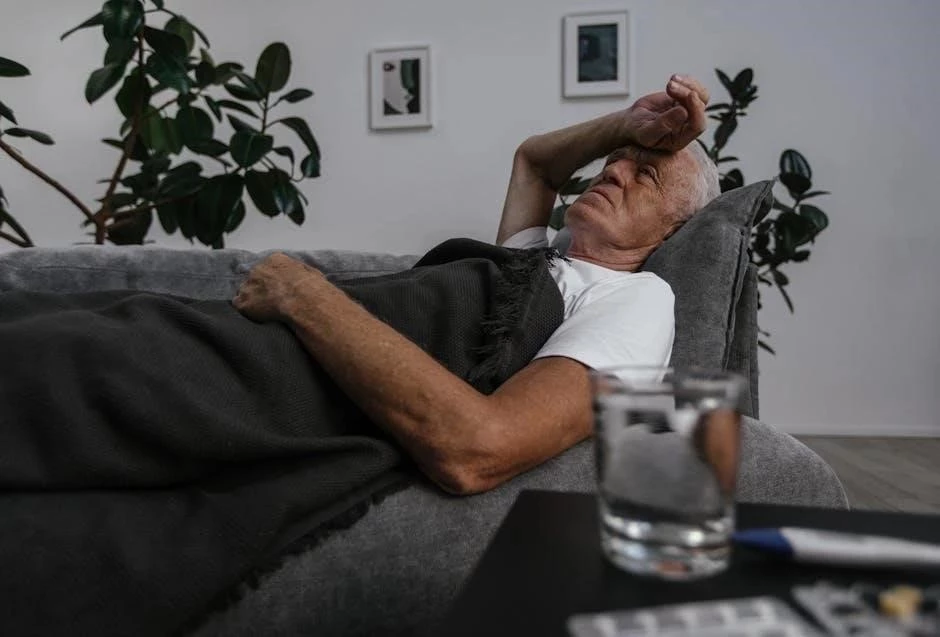
- Cognitive Behavioral Techniques: Learning to identify and challenge the “caregiver guilt” that often leads to depression and self-neglect.
- Mindfulness-Based Stress Reduction (MBSR): Simple breathing and grounding exercises that can be performed in small intervals to lower cortisol levels.
- Setting Clinical Boundaries: Learning how to say “no” to non-essential tasks and delegating responsibilities to other family members or professional services.
- Routine Implementation: Establishing a predictable daily schedule for the senior, which reduces the “decision fatigue” often experienced by the primary caregiver.
- Journaling for Emotional Release: Using writing as a tool to process the complex emotions of grief and frustration that come with watching a loved one age.
- Physical Activity: Utilizing Queens' parks, such as Flushing Meadows or Forest Park, for brief walks to clear the mind and improve overall mood.
Preparing for the Future: Long-Term Mental Resilience
Mental health is not a one-time fix but a continuous process of adaptation; For Queens families, this means planning for the future stages of care before they become emergencies. Proactive planning is a cornerstone of maintaining emotional stability over the years of a senior’s decline.
- Advanced Care Planning: Discussing end-of-life wishes and care preferences early helps avoid the paralyzing guilt and conflict that often occurs during a crisis.
- Building a Care Team: Moving away from the “solo caregiver” model toward a team approach that includes doctors, advocates, and paid aides.
- Regular Mental Health Check-ins: Scheduling quarterly appointments with a therapist or counselor to assess stress levels before they reach a breaking point.
- Respite Scheduling: Planning vacations or “staycations” in advance to ensure there is always a light at the end of the tunnel during difficult caregiving months.
- Community Engagement: Staying active in Queens community boards or caregiver advocacy groups to find a sense of purpose beyond the home.
- Knowledge Acquisition: Staying informed about new NYC senior initiatives and changes in Medicaid policy to feel empowered rather than victimized by the system.
Nurse Insight: In my experience working with families across Queens, the caregivers who maintain the best mental health are those who treat their own support system with the same urgency as their loved one’s medications. I have seen far too many dedicated daughters and sons reach a point of total collapse because they felt that asking for help or hiring an advocate was a sign of weakness. In reality, utilizing resources like the CDPAP program or a professional Senior Advocacy service is the most responsible thing you can do. It ensures that you remain healthy enough to continue your role as a loving caregiver for the long haul.
Frequently Asked Questions
What are the most common signs that a caregiver in Queens needs professional mental health support?
How can Senior Advocacy help me reduce my daily stress levels?
Is there financial assistance available to pay family caregivers in New York City?
Where can I find free support groups for senior caregivers in Queens?
Can Medicaid help pay for mental health services for the caregiver?
Contact ProLife Home Care NYC for a free clinical assessment:(718) 232 – 2777
Contact ProLife Home Care NYC for a free clinical assessment: (718) 232-2777