
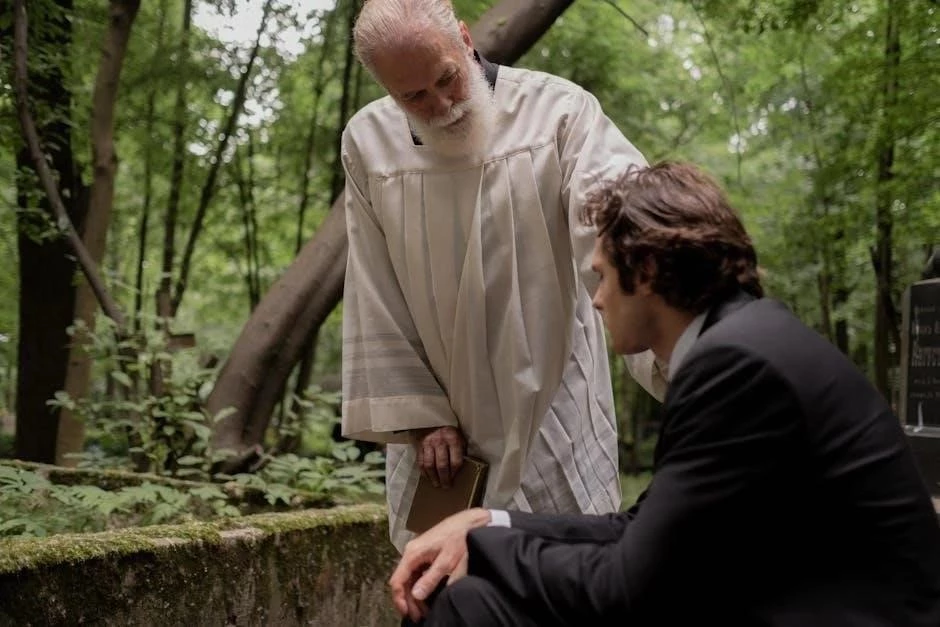
Navigating the loss of a loved one is a journey that no family should have to walk alone in the busy streets of Brooklyn. Professional grief counseling provides a safe harbor for emotional processing, helping NYC families manage the overwhelming weight of bereavement. By utilizing local resources, individuals can find structured paths toward healing that honor their personal cultural and spiritual traditions. Establishing a network of support during this difficult time is a vital step toward reclaiming long-term mental and emotional stability.
Clinical Quick Answer
Effective bereavement care in New York City involves a combination of clinical psychotherapy, peer-led support groups, and specialized End-of-Life Support services. Families can access these resources through hospice providers, community mental health centers, or specialized private practices throughout the five boroughs. Seeking professional grief counseling for NYC families early in the process can significantly reduce the risk of complicated grief and long-term psychological distress.
Understanding the Scope of Grief Counseling for NYC Families
Grief counseling is a specialized form of therapy designed to help individuals cope with the physical, emotional, social, spiritual, and cognitive responses to loss. In the context of Brooklyn’s diverse population, this counseling must be sensitive to a wide array of cultural backgrounds and personal experiences. Unlike general therapy, grief-focused work specifically addresses the vacuum left by a loved one and the resulting shift in family dynamics.
- Individual Counseling: One-on-one sessions with a licensed clinical social worker (LCSW) or psychologist allow for a deep dive into personal trauma and the specific relationship lost.
- Family Therapy: Since grief impacts the entire household, family sessions help members communicate their needs and support one another without becoming overwhelmed by collective sorrow.
- Traumatic Loss Support: Specialized interventions for those who have experienced sudden or violent losses, which are unfortunately common in urban environments like NYC.
- Anticipatory Grief Guidance: Counseling that begins before a death occurs, helping families prepare for the inevitable while their loved one is still in palliative care.
- Cultural and Spiritual Integration: NYC counselors often incorporate specific religious or cultural rituals into the healing process to provide a sense of continuity and meaning.
The Critical Role of Post-Hospice End-of-Life Support
Hospice care does not terminate at the moment of a patient’s passing; rather, it transitions into a crucial 13-month bereavement period mandated by Medicare. This ensures that families receive continuous support through the first anniversary of their loved one’s death. In Brooklyn, many hospice agencies provide these services to the community at large, not just to those who were previously enrolled in their medical programs.
- Bereavement Assessments: Professionals evaluate family members to identify those at high risk for “complicated grief,” a condition where the mourning process becomes debilitating.
- Memorial Services: Many NYC support organizations host community remembrance events that provide a sense of closure and shared humanity.
- Education on the Grieving Process: Helping families understand the physical symptoms of grief, such as insomnia, fatigue, and “brain fog,” which are often mistaken for other illnesses.
- Resource Referrals: Connecting families with legal assistance, financial planning, and social services to manage the practicalities of a loved one’s estate.
- Continuity of Care: Ensuring that the transition from medical end-of-life care to emotional support is seamless and compassionate.
Navigating Specialized Grief Support Groups in Brooklyn
Support groups offer a unique therapeutic benefit that individual sessions cannot: the realization that one is not alone. Brooklyn hosts numerous groups tailored to specific types of loss, providing a community of peers who truly understand the nuances of the experience. These groups foster an environment where participants can share coping strategies and find solace in shared stories.
- Spousal Loss Groups: Focused on the unique challenges of losing a partner, including financial changes and social isolation.
- Loss of a Child: Specialized groups that address the profound and often non-linear path of grieving a child or infant.
- LGBTQ+ Focused Grief Support: Safe spaces for the queer community in Brooklyn to navigate loss, often addressing issues of “disenfranchised grief” where their relationships may not have been fully recognized.
- Young Adult Bereavement: Groups for those in their 20s and 30s who may feel isolated from peers who have not yet experienced significant loss.
- Online vs. In-Person Options: Many NYC organizations now offer hybrid models to accommodate the busy schedules and transportation challenges of city living.
Clinical Interventions for Pediatric Grief in New York City
Children and adolescents process loss differently than adults, often expressing their grief through behavior rather than words. In NYC, pediatric grief counseling utilizes age-appropriate techniques to help younger family members understand and integrate the loss into their development. Early intervention is key to preventing long-term behavioral or academic struggles.
- Play Therapy: Using toys and games to help younger children express feelings they cannot yet articulate.
- Art and Narrative Therapy: Encouraging teens to use creative outlets like drawing, music, or journaling to document their journey and express their pain.
- School-Based Support: NYC counselors often work with Department of Education (DOE) social workers to ensure the child is supported during the school day.
- Parental Guidance: Teaching surviving parents how to talk to their children about death honestly and age-appropriately.
- Grief Camps: Regional programs that allow children to bond with others who have lost parents or siblings in a supportive, recreational setting.
Financial Access: Medicaid and Grief Counseling for NYC Families
Cost should never be a barrier to emotional healing. In New York, several pathways exist to access low-cost or free grief support. Understanding the intersection of Medicaid and mental health services is essential for many Brooklyn families navigating the aftermath of an illness. NYC’s “Thrive” and other municipal initiatives also provide free resources to residents.
- Medicaid Managed Care: Most NYC Medicaid plans cover outpatient mental health services, including counseling sessions for bereavement.
- Hospice-Funded Services: Under federal law, hospice-related bereavement services are provided free of charge to the family for over a year.
- Sliding-Scale Clinics: Numerous non-profits in Brooklyn offer counseling where the fee is determined by the household’s income level.
- Employee Assistance Programs (EAP): Many NYC workers have access to short-term counseling through their employers that can be used for immediate crisis support.
- Victim Compensation Funds: For families who have lost loved ones to crime, NYC offers specific funds to cover the cost of therapy and counseling.
Addressing Complicated Grief and Mental Health Comorbidities
While grief is a natural response to loss, it can sometimes trigger or worsen underlying mental health conditions. Clinical counseling in Brooklyn is equipped to handle complex cases where grief intersects with depression, anxiety, or post-traumatic stress disorder (PTSD). Recognizing the signs of complicated grief early can lead to more effective clinical interventions.
- Diagnostic Criteria: Identifying when grief has moved from a “normal” response to a clinical disorder characterized by intense longing and an inability to function.
- Dual Diagnosis Support: Integrated treatment for individuals who may turn to substance use to numb the pain of their loss.
- Cognitive Behavioral Therapy (CBT): Helping patients reframe the intrusive thoughts and “what-if” scenarios that often follow a traumatic death.
- EMDR Therapy: Eye Movement Desensitization and Reprocessing can be highly effective for those dealing with the trauma of witnessing a loved one’s end-of-life struggle.
- Medication Management: When necessary, coordinating with psychiatrists to manage debilitating symptoms like clinical depression or severe insomnia.
Nurse Insight: In my experience working with families in Brooklyn, the most common mistake is trying to “tough it out” alone. NYC is a high-pressure environment, and the expectation to return to work or school within days of a funeral is often unrealistic. I always advise families to seek out professional support even if they think they are “doing fine.” Often, the full weight of the loss doesn’t hit until months later when the initial community support fades; Having a counselor or a support group already in place makes that transition much more manageable and less isolating.
Frequently Asked Questions
How do I find a grief counselor in Brooklyn that takes Medicaid?
What is the difference between grief counseling and general therapy?
Are there free support groups for families who did not use hospice?
When is the best time to start counseling after a loss?
How can I help a teenager in Brooklyn who is grieving but refuses to talk?
Contact ProLife Home Care NYC for a free clinical assessment:(718) 232 – 2777