
Caring for a loved one in the bustling environment of New York City requires immense physical resilience and mental clarity. We understand that your focus is often entirely on your family member, yet your own health is the foundation upon which their care is built. Prioritizing small acts of self-care, such as staying hydrated and managing your energy, is essential for long-term sustainability. You are doing vital work, and ensuring your own body is fueled and rested is an act of love for both yourself and your charge.
Clinical Quick Answer
Managing Caregiver hydration and energy levels is a critical component of preventing burnout, as dehydration can lead to cognitive fog, irritability, and physical exhaustion. In the context of the Top Health Issues NYC residents face, caregivers are particularly susceptible to stress-related ailments and chronic fatigue if they neglect basic physiological needs. Maintaining a consistent intake of water and nutrient-dense foods allows the body to regulate cortisol levels and sustain the stamina required for intensive caregiving duties.
The Physiology of Caregiver Fatigue and Energy Depletion
Caregiving in a high-stress environment like New York City triggers a prolonged activation of the sympathetic nervous system, often referred to as the “fight or flight” response. This physiological state consumes significant amounts of metabolic energy. To maintain Caregiver hydration and energy levels, one must understand how the body processes stress hormones and the subsequent demand for cellular fuel.
- Cortisol Regulation: Constant caregiving duties can lead to chronically elevated cortisol, which disrupts glucose metabolism and causes “energy crashes” throughout the day.
- Mitochondrial Function: The cells’ powerhouses require specific micronutrients and adequate hydration to produce ATP, the primary energy currency of the body; without them, caregivers experience profound lethargy.
- Sleep Architecture: Interrupted sleep, common among NYC caregivers, prevents the glymphatic system from clearing metabolic waste from the brain, leading to permanent feelings of exhaustion.
- Muscle Tension: Chronic physical strain from lifting or assisting patients leads to localized fatigue and increased caloric demand as the body attempts to repair minor muscle tears.
- Adrenal Burnout: Long-term stress without adequate recovery periods can lead to adrenal insufficiency, making it difficult for the body to respond to the daily demands of urban life. Top Health Issues NYC
Hydration Fundamentals for the Urban Caregiver
Hydration is more than just drinking water; it is about maintaining the homeostatic balance of electrolytes and fluids. In the fast-paced NYC landscape, caregivers often forget to drink until they are already symptomatic. Understanding the mechanics of fluid loss is vital for maintaining peak performance.
- Electrolyte Balance: Proper hydration requires a balance of sodium, potassium, and magnesium. Drinking excessive plain water without these minerals can lead to hyponatremia, further decreasing energy.
- NYC Environmental Factors: The “Heat Island Effect” in Manhattan and Brooklyn increases sweat rates even during moderate activity, necessitating a higher fluid intake than in suburban environments.
- Cognitive Performance: Studies show that even 1-2% dehydration can impair short-term memory and focus, which are critical for medication management and emergency response.
- Digestive Health: Adequate hydration is necessary for fiber processing; chronic dehydration among caregivers often leads to gastrointestinal distress, which further drains energy.
- Hydration Timing: Front-loading fluid intake in the morning helps jumpstart metabolism and ensures that the kidneys are effectively filtering toxins accumulated overnight.
Nutrition Strategies for Sustained Daily Stamina
When addressing the Top Health Issues NYC caregivers face, nutritional deficiencies frequently top the list. The temptation to rely on caffeine and processed sugars for quick energy boosts often leads to systemic inflammation and eventual burnout.
- Glycemic Index Awareness: Consuming complex carbohydrates like oats or quinoa provides a steady release of glucose, preventing the insulin spikes and subsequent crashes associated with sugary snacks.
- Protein for Repair: Caregivers involved in physical labor (lifting, transferring) need higher protein intake to maintain muscle mass and support neurotransmitter production for mood regulation.
- Anti-Inflammatory Foods: Incorporating Omega-3 fatty acids helps combat the systemic inflammation caused by chronic stress, protecting the heart and brain.
- Micro-Nutrient Density: Leafy greens and colorful vegetables provide the B-vitamins necessary for converting food into usable energy at the cellular level.
- Strategic Snacking: Small, frequent meals can help maintain blood sugar stability for caregivers who do not have the luxury of long, scheduled lunch breaks.
Navigating NYC Environmental Stressors
New York City presents unique challenges that can tax a caregiver’s physical vitality. From the noise pollution of Queens to the navigating the subway stairs in the Bronx, the environment plays a direct role in energy depletion.
- Noise Pollution and Cortisol: Constant sirens and traffic noise keep the body in a state of hyper-vigilance, which silently drains energy reserves over the course of the day.
- Air Quality and Oxygenation: Poor air quality in high-traffic areas can reduce oxygen saturation levels slightly, making the body work harder to perform routine tasks.
- Commuting Physicality: The physical demand of using public transit while managing caregiving supplies adds a significant metabolic load that many caregivers fail to account for in their caloric needs.
- Access to Green Space: NYC caregivers who utilize parks for even 10 minutes report lower perceived stress levels and higher energy than those confined to indoor environments.
- Urban Heat Islands: During NYC summers, the concrete retains heat, increasing the risk of heat exhaustion for caregivers traveling between patient homes or appointments.
Clinical Signs of Dehydration and Metabolic Burnout
Recognizing the early warning signs of physical decline is essential for intervention. Many caregivers dismiss these symptoms as “just part of the job,” but they are actually clinical indicators that the body’s systems are failing to cope.
- Orthostatic Hypotension: Feeling dizzy when standing up quickly is a common sign of low blood volume due to inadequate fluid intake.
- Chronic Headaches: Tension-type headaches are frequently exacerbated by dehydration and the constriction of blood vessels in the brain.
- Skin Turgor: A simple clinical test—pinching the skin on the back of the hand—can reveal if the tissues are sufficiently hydrated; slow “snapping back” indicates a need for immediate fluids.
- Urine Color Monitoring: Dark-colored urine is a primary indicator of kidney strain and dehydration, suggesting that metabolic waste is not being efficiently cleared.
- Emotional Lability: Increased irritability or sudden tearfulness can often be traced back to low blood sugar and dehydration rather than just emotional stress.
Practical Implementation of Health Maintenance
To effectively manage Caregiver hydration and energy levels, one must move from theory to practical, daily habits. NYC caregivers need systems that work within a chaotic schedule.
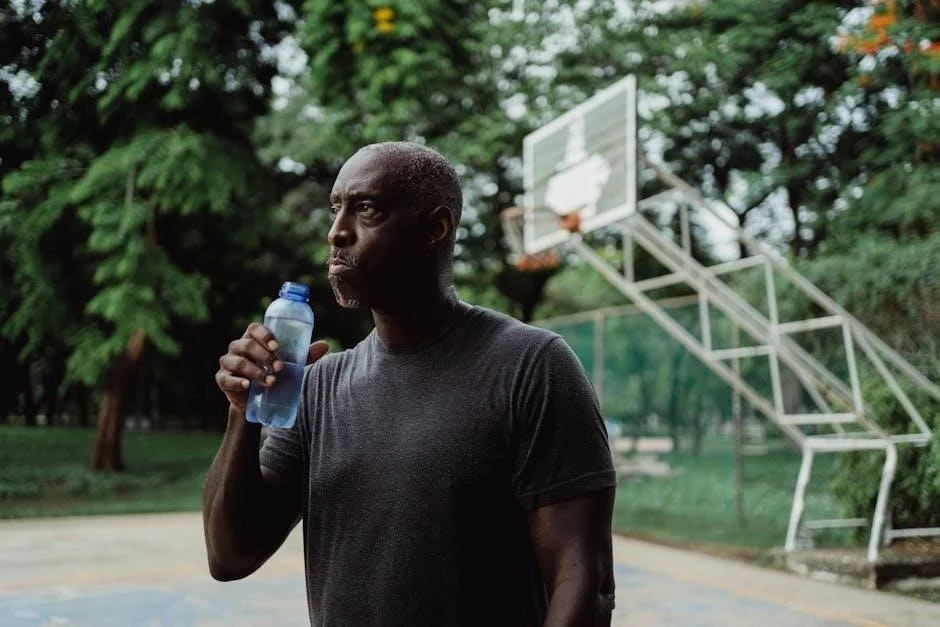
- Visual Cues: Keeping a clear, marked water bottle in a central location serves as a constant reminder to sip throughout the day.
- Meal Prepping for Success: Dedicating two hours on a Sunday to prep nutrient-dense grab-and-go meals can prevent the “fast food trap” during the work week.
- Smart Use of Technology: Hydration tracking apps or simple phone alarms can prompt a caregiver to take “vitality breaks” even during busy shifts.
- The 5-Minute Reset: Implementing deep breathing exercises between tasks can lower the heart rate and preserve energy by switching off the stress response.
- Community Support: Leveraging NYC-based caregiver support groups can provide shared strategies for maintaining health while navigating the specific challenges of the city.
Nurse Insight: In my experience working with hundreds of families across the five boroughs, the most resilient caregivers are not those who “push through” the pain, but those who treat their own hydration and nutrition as a clinical requirement. I often tell my clients that you cannot pour from an empty cup—literally. If you are dehydrated, your brain cannot process the complex medication schedules or emotional needs of your loved one. Start by carrying a reusable water bottle and adding a pinch of sea salt or an electrolyte powder once a day; that small change can be the difference between a productive afternoon and a total physical collapse.
Frequently Asked Questions
How much water should a caregiver realistically drink each day?
What are the best energy-boosting foods for someone on a tight schedule?
Can dehydration cause mood swings in caregivers?
Are there NYC resources to help if I am too exhausted to care for myself?
How does NYC tap water compare to bottled water for hydration?
Contact ProLife Home Care NYC for a free clinical assessment:(718) 232 – 2777