Caring for an aging parent in New York City from a distance requires a unique blend of logistical precision and emotional resilience. Navigating the complex landscape of the five boroughs’ healthcare systems can feel overwhelming when you are hundreds of miles away. By establishing a robust network of local resources and digital oversight, you can ensure your loved one remains safe and supported in their home environment. This guide provides actionable strategies to bridge the gap between your location and your parent’s needs in the heart of NYC.
Clinical Quick Answer
Managing care from afar is highly effective when families integrate modern Remote Health Monitoring tools to track vitals and daily activity in real-time. By following expert Long-distance caregiving NYC tips, such as enrolling in the CDPAP program, you can hire local relatives or friends to provide paid care while you manage the administrative aspects. Success depends on maintaining clear communication with New York-based medical teams and ensuring all legal documentation, like the New York Health Care Proxy, is active and on file.
Navigating the NYC Healthcare Ecosystem Remotely
New York City possesses one of the most complex healthcare infrastructures in the world, consisting of massive hospital networks like NYU Langone, Mount Sinai, and NewYork-Presbyterian. For a remote caregiver, the first step is understanding which network your parent belongs to and ensuring you have access to their digital patient portals. These portals are the lifeline for out-of-state family members, allowing you to view lab results, schedule appointments, and message providers directly.
- Identify the primary hospital affiliate for your parent’s specialists to ensure records are shared seamlessly across the NYC Epic or MyChart systems.
- Establish a relationship with a local Geriatric Care Manager (GCM) in NYC who can attend in-person appointments and serve as your “eyes and ears.”
- Ensure all HIPAA release forms are signed and scanned into the systems of every NYC provider your parent visits.
- Coordinate with local pharmacies, such as Duane Reade or independent NYC apothecaries, that offer reliable home delivery services within the five boroughs.
- Utilize NYC-specific transport services like Access-A-Ride for medical appointments, but monitor their reliability through the mobile app.
- Keep a digital directory of every building super, neighbor, and local friend who has a key to your parent’s apartment for emergency access.
Implementing Remote Health Monitoring and Home Safety
Technology acts as a virtual bridge when physical presence isn’t possible. Remote Health Monitoring has evolved beyond simple medical alert buttons to include sophisticated systems that track physiological data. In an NYC apartment setting, where neighbors are close but privacy is high, these tools provide a necessary safety net. These devices can alert you to changes in heart rate, blood pressure, or even subtle changes in movement patterns that might indicate a fall or a decline in health.
- Install smart home sensors that track movement without the use of invasive cameras, alerting you if your parent hasn’t entered the kitchen by a certain time.
- Use cellular-enabled pill dispensers that notify your smartphone if a dose is missed, preventing medication errors.
- Deploy wearable fall-detection devices that utilize GPS, which is vital if your parent still walks to local NYC parks or bodegas.
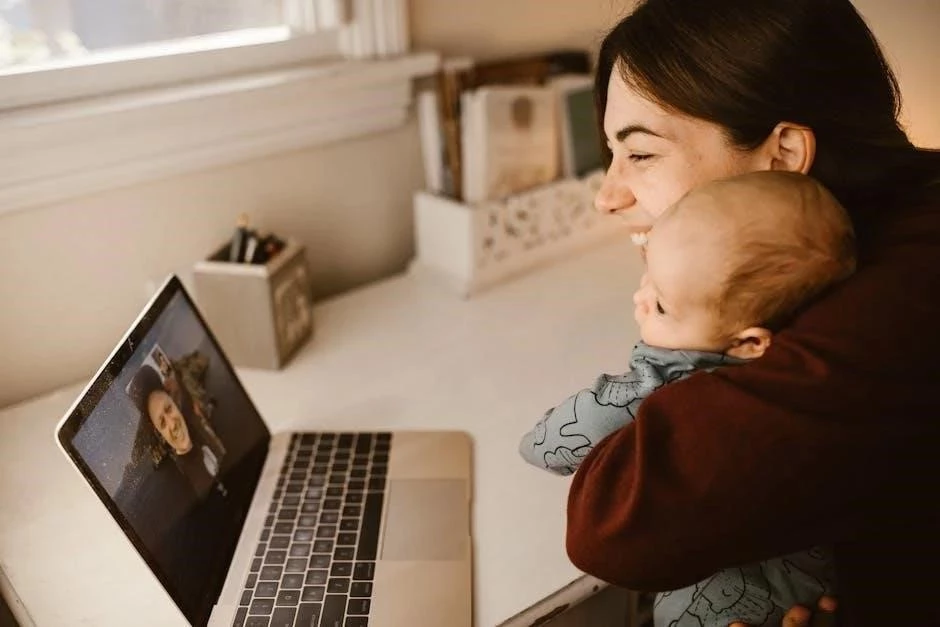
- Set up a simplified video calling hub (like an Echo Show or GrandPad) that requires no technical skill from your parent to answer.
- Monitor indoor temperature and air quality remotely, which is critical during NYC heatwaves or during the winter when radiator heating can be inconsistent.
- Utilize smart locks so you can grant access to emergency services or home health aides remotely from your phone.
Coordinating CDPAP and Home Care Services
New York State’s Consumer Directed Personal Assistance Program (CDPAP) is a game-changer for long-distance caregivers. This Medicaid program allows the patient to choose their own caregiver, which can be a friend or family member who already lives in NYC. As a remote caregiver, you can act as the “Designated Representative,” managing the hiring, scheduling, and paperwork for the caregiver while your parent receives personalized support at home.
- Determine if your parent is Medicaid-eligible in New York, as this is a prerequisite for CDPAP enrollment.
- Identify a “Designated Representative” if your parent is unable to manage their own care decisions; this person can live out of state.
- Screen local candidates in NYC—such as a trusted neighbor or a niece—who can be paid to provide daily assistance through a fiscal intermediary.
- Use digital timesheet apps provided by NYC CDPAP agencies to monitor the hours of care being provided in real-time.
- Schedule regular “check-in” video calls with the hired caregiver to discuss changes in your parent’s mood, appetite, or physical condition.
- Ensure the home care plan includes assistance with NYC-specific tasks, such as navigating stairs in walk-up apartments or managing laundry in shared basement facilities.
Essential Long-distance caregiving NYC tips for Daily Management
Practicality is key when managing a household from another state. NYC living presents unique challenges like grocery delivery logistics, trash removal schedules, and building maintenance. Effective Long-distance caregiving NYC tips involve automating as much of the “life admin” as possible so you can focus on clinical health management during your limited time on the phone with your parent.
- Set up recurring grocery deliveries through services like FreshDirect or Instacart, ensuring the delivery person has specific instructions for apartment entry.
- Hire a local “concierge” or senior move manager for one-off tasks like seasonal clothes switching or deep cleaning.
- Automate all utility bills (Con Edison, National Grid, Spectrum) to avoid service interruptions that could compromise safety.
- Create a “Crisis Folder” on a shared drive containing PDF copies of the deed/lease, insurance cards, and the NYC “File of Life” document.
- Join NYC-specific caregiver support groups online to stay updated on local policy changes or resource availability.
- Plan your visits to NYC around “High-Value” activities, such as quarterly specialist reviews, rather than routine tasks that can be outsourced.
Legal and Financial Advocacy from Afar
New York law has specific requirements for Power of Attorney (POA) and Health Care Proxies. It is vital that these documents are not only signed but are also compliant with New York’s specific statutory forms. Being a remote advocate means you must be ready to present these documents to NYC banks, hospitals, and government agencies like the Human Resources Administration (HRA) at a moment’s notice.
- Consult with an elder law attorney licensed in New York to ensure your out-of-state POA will be honored by NYC institutions.
- Keep a digital copy of the New York Health Care Proxy on your phone and ensure the parent’s primary care physician has it in their EMR.
- Monitor bank accounts for “NYC-specific” fraud, which can target seniors living alone in high-value real estate areas.
- Establish a “Representative Payee” status with the Social Security Administration if your parent can no longer manage their finances.
- Understand the New York “Look-Back” period for Medicaid if you anticipate needing nursing home care or increased home hours in the future.
- Maintain a list of contact information for the local NYC precinct and the neighborhood coordination officers (NCOs) for your parent’s area.
Managing Emergency Transitions and Hospitalizations
An emergency room visit in NYC can be chaotic. When you are out of state, your role shifts to that of a project manager. You must be able to coordinate with ER social workers and discharge planners to ensure your parent is not sent home to an empty apartment without a proper care plan in place. Knowing the layout of the local EMS system and which hospitals are “Stroke Centers” or “Heart Centers” near your parent’s zip code is essential.
- Ensure your parent has an “Emergency Go-Bag” by the door containing a list of medications, several days of clothes, and phone chargers.
- Develop a relationship with the Social Work department at the local NYC hospital (e.g., Bellevue, Lenox Hill) before an emergency occurs.
- Request a “Care Consultation” via telehealth as soon as a hospitalization occurs to participate in the discharge planning process.
- Have a plan for “Post-Acute Care” (rehab) in NYC if your parent is not ready to return home immediately after a hospital stay.
- Arrange for “Transition of Care” services, where a nurse or aide meets your parent at their apartment upon hospital discharge to ensure oxygen or new meds are set up.
- Keep a list of local NYC hotels near the hospital where you can stay on short notice if you need to fly in for a crisis.
Nurse Insight: In my experience working with families across the five boroughs, the most successful remote caregivers are those who don’t try to do everything themselves. NYC is a city of niches; you need a local “team” that includes a reliable neighbor and a specialized home care agency. I always tell my families: Remote Health Monitoring is your 24/7 monitor, but a human connection on the ground is your 24/7 heart. Don’t wait for a crisis to find out who has the spare key or which neighbor checks the mail—build those bridges today while things are stable.
Frequently Asked Questions
Can I manage my parents CDPAP program if I live in another state?
What are the best remote health monitoring tools for NYC apartments?
How do I find a Geriatric Care Manager in Manhattan or Brooklyn?
What should I do if my parent refuses to use a medical alert button?
Are there NYC-specific resources for out-of-state caregivers?
Contact ProLife Home Care NYC for a free clinical assessment:(718) 232 – 2777