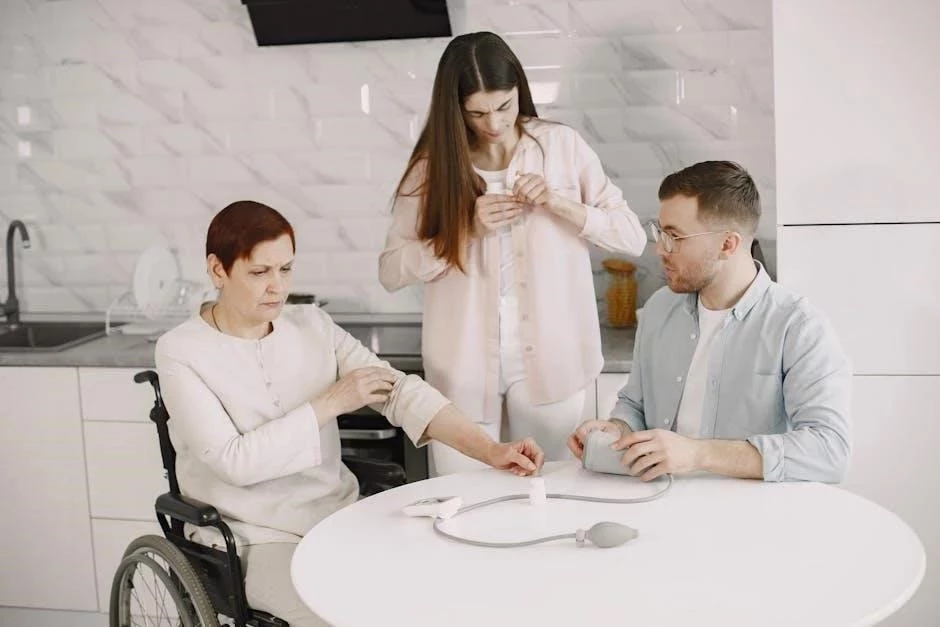
Caring for a veteran family member in New York City involves navigating a complex web of military benefits and local urban resources. Many families find themselves providing intensive support for service-related injuries or age-related conditions without realizing that professional assistance is available. Caregiver support for veterans’ families NYC provides a vital safety net that addresses the unique emotional and physical sacrifices made by those who serve our heroes. Accessing these services ensures that the entire family unit remains resilient and well-supported throughout the caregiving journey.
Clinical Quick Answer
Caregiver support for veterans’ families NYC includes a specialized range of federal VA programs and local New York initiatives designed to provide financial stipends, health insurance, and mental health counseling for family members. These services are primarily coordinated through the VA’s Program of Comprehensive Assistance for Family Caregivers (PCAFC) and local NYC caregiver support programs. By combining federal benefits with local senior advocacy, families can access home health aides, respite care, and legal assistance tailored to the veteran community.
Understanding the Landscape of Caregiver Support for Veterans’ Families NYC
The role of a family caregiver in New York City is uniquely challenging due to the fast-paced nature of the city and the specific healthcare needs of veterans. Many veterans living in the five boroughs deal with chronic conditions such as Post-Traumatic Stress Disorder (PTSD), Traumatic Brain Injury (TBI), or environmental exposures that require specialized attention. Caregiver support for veterans’ families NYC is designed to alleviate the burden on spouses, children, and relatives by providing them with the tools they need to manage these complex conditions effectively at home.
- The VA New York Harbor Healthcare System provides direct clinical support for caregivers across Manhattan, Brooklyn, and St. Albans.
- New York City’s Department for the Aging (DFTA) offers specialized caregiver resource centers that understand the veteran experience.
- Peer support groups specifically for NYC veteran families help reduce the social isolation often felt by urban caregivers.
- Local non-profits in the city provide “bridge services” for those waiting for VA benefit approvals.
- Crisis intervention services are available for caregivers dealing with veteran-specific mental health emergencies in NYC.
- Mobile medical units frequently operate in underserved boroughs to assist veterans who have difficulty traveling to VA hospitals.
The Critical Role of Senior Advocacy for Aging Veterans
As the veteran population in New York City ages, the intersection of military service and geriatric care becomes increasingly significant. Senior Advocacy plays a pivotal role in ensuring that older veterans receive the maximum benefits they are entitled to, including the “Aid and Attendance” pension, which can provide substantial monthly payments to help cover the cost of home care. Advocates work with families to navigate the bureaucratic hurdles of both the Department of Veterans Affairs and the New York State Department of Health.
- Advocates assist in filing claims for service-connected disabilities that may have worsened with age.
- Expert guidance on “presumptive conditions” related to different eras of service, such as Vietnam or the Gulf War.
- Coordination between Medicare and VA benefits to ensure no gaps in pharmaceutical or surgical coverage.
- Assistance with legal documents including healthcare proxies and powers of attorney specific to NYC laws;
- Advocacy for priority admission to New York State Veterans’ Homes when home care is no longer feasible.
- Educational workshops for family members on how to communicate with medical providers about a veteran’s military history.
Navigating the VA Program of Comprehensive Assistance for Family Caregivers (PCAFC)
For many families, the cornerstone of Caregiver support for veterans’ families NYC is the federal PCAFC program. This program is designed for veterans who have a serious injury (or illness) that was incurred or aggravated in the line of duty. In a high-cost area like NYC, the financial stipend provided by this program can be life-changing, allowing a family member to reduce their working hours or leave the workforce entirely to focus on caregiving duties.
- Eligibility includes veterans with a 70% individual or combined service-connected disability rating.
- Primary Family Caregivers can receive a monthly stipend based on the level of care required by the veteran.
- Access to the CHAMPVA health insurance program is available for caregivers who do not already have health coverage.
- The program provides at least 30 days of respite care per year to prevent caregiver burnout.
- Beneficiaries receive specialized training in wound care, medication management, and therapeutic communication.
- Ongoing support from a Caregiver Support Coordinator located at the NYC VA medical centers.
Medicaid Planning and the CDPAP Program in NYC
New York State offers one of the most robust home care programs in the country, known as the Consumer Directed Personal Assistance Program (CDPAP). This is a critical component of Caregiver support for veterans’ families NYC because it allows the veteran to hire their own family member or friend as their paid caregiver. Unlike traditional home care, CDPAP gives the veteran and their family total control over who provides care and how it is scheduled, which is often preferred by those with military backgrounds.
- Veterans must be eligible for NYC Medicaid to participate in the CDPAP program.
- Senior Advocacy experts often help veterans “spend down” their income to qualify for Medicaid while protecting their assets.
- Family members, including adult children, can be paid an hourly wage to provide activities of daily living (ADL) support.
- The program eliminates the need for external home health agencies to send strangers into the veteran’s home.
- CDPAP can be used in conjunction with certain VA benefits, though careful coordination is required.
- NYC-based fiscal intermediaries handle the payroll and administrative tasks for the family caregiver.
Mental Health and Respite Care: Preserving the Caregiver’s Well-being
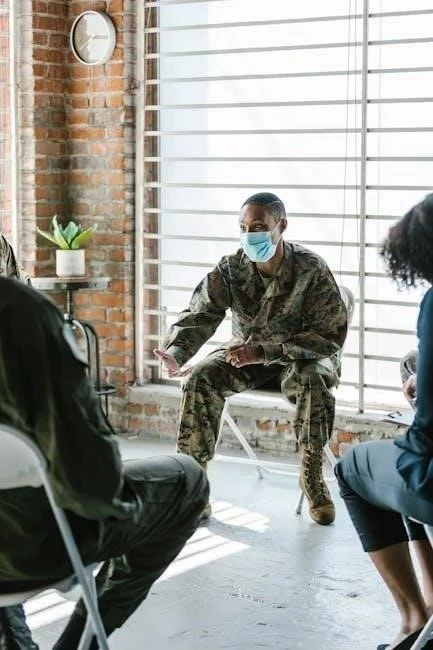
The psychological toll of caregiving is often overlooked, especially when the care recipient suffers from the invisible wounds of war. Caregiver support for veterans’ families NYC emphasizes mental health resources for the caregiver as much as the veteran. Burnout is a significant risk in the dense urban environment of NYC, where physical space is limited and noise levels are high, which can trigger symptoms in veterans with PTSD and increase the stress on the caregiver.
- The VA’s “REACH” program provides NYC caregivers with coaching sessions to manage stress and problem-solve.
- Vet Centers in Manhattan, the Bronx, Brooklyn, and Staten Island offer confidential counseling for families;
- Local respite centers provide “short-stay” options for veterans, allowing caregivers to take a necessary break.
- NYC-based support groups use evidence-based techniques to help families manage “secondary traumatic stress.”
- Holistic programs in the city, such as adaptive yoga and art therapy, are often open to veteran caregivers.
- Emergency hotline services specifically for veteran families provide 24/7 clinical support during outbursts or crises.
Legal and Financial Safeguards for Veteran Families
Comprehensive Caregiver support for veterans’ families NYC must include a focus on legal and financial stability; Navigating the intersection of VA pensions, Social Security, and NYC rent-freeze programs (like SCRIE for seniors) requires specialized knowledge. Senior Advocacy professionals help families create a long-term roadmap that protects the veteran’s legacy and ensures the caregiver is not left in a precarious financial position should the veteran’s health decline or if they pass away.
- Assistance with applying for the NYC Veterans Tax Credit to lower the cost of homeownership.
- Guidance on Survivor Benefits Plans (SBP) and Dependency and Indemnity Compensation (DIC).
- Protection against predatory “pension poaching” schemes that target NYC veterans and their caregivers.
- Help with appealing denied VA claims through accredited Veterans Service Officers (VSOs).
- Planning for “pooled trusts” to allow veterans with excess income to still qualify for NYC Medicaid services.
- Ensuring the caregiver is recognized in all medical and legal capacities to advocate for the veteran’s wishes.
Nurse Insight: In my experience, the families who thrive while caring for a veteran in NYC are those who don’t wait for a crisis to seek help. Many caregivers feel they must “tough it out” because of the military culture, but the clinical reality is that the complexity of service-connected illnesses requires a team approach. I always tell my families that utilizing senior advocacy and respite care isn’t a sign of weakness—it is a strategic move to ensure you can provide high-quality care for years rather than months. Don’t overlook the CDPAP program; in NYC, getting paid to care for your loved one can provide the financial breathing room needed to truly focus on their health.
Frequently Asked Questions
What is the difference between PCAFC and PGCSS for NYC families?
Can a spouse be paid to be a caregiver for a veteran in NYC?
How can NYC veterans access respite care to give their family a break?
What legal help is available for NYC veteran caregivers regarding housing?
Where can I find a support group for veteran caregivers in Brooklyn or Queens?
Contact ProLife Home Care NYC for a free clinical assessment:(718) 232 – 2777