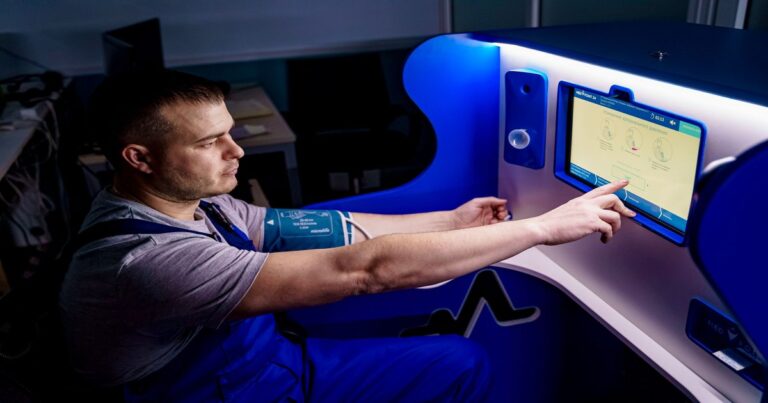

Providing care for a loved one is a profoundly rewarding journey, yet it often places an immense physical burden on the family caregiver’s body. Finding ways to manage daily tasks without risking injury is essential for maintaining your long-term health and the quality of care you provide. By integrating modern technology and specialized assistive devices, you can transform the most demanding parts of your routine into manageable actions. These tools are designed to protect your back, joints, and energy levels, allowing you to focus on the emotional connection with your loved one.
Clinical Quick Answer
Physical strain in caregiving can be effectively mitigated by utilizing Adaptive tools for easier caregiving which automate heavy lifting and repetitive movements. Clinical experts recommend a combination of mechanical transfer aids, smart monitoring systems, and ergonomic environmental modifications to reduce the risk of musculoskeletal injuries. Prioritizing these technologies ensures that the physical demands of care remain within a safe threshold for the primary caregiver.
Understanding the Biomechanical Impact of Caregiving
The physical demands of caregiving are often compared to the labor performed by professional manual workers, yet caregivers frequently operate without the benefit of industrial safety equipment. Understanding the risks is the first step toward prevention.
- Musculoskeletal Disorders: Repetitive lifting, bending, and awkward posturing lead to chronic conditions such as herniated discs, sciatica, and carpal tunnel syndrome.
- Cumulative Strain: It is rarely one single event that causes injury; rather, it is the thousands of minor stresses on the spine during repositioning and bathing that lead to failure.
- Fatigue and Reaction Time: Physical exhaustion slows down a caregiver’s reflexes, increasing the likelihood of accidents or falls for both the caregiver and the recipient.
- Joint Degradation: Constant pressure on the knees and hips during pivot transfers can lead to early-onset osteoarthritis and chronic pain.
- Spinal Compression: Lifting a person without mechanical assistance can place over 1,000 pounds of pressure on the lower lumbar region, far exceeding OSHA safety guidelines.
- Psychological Stress Connection: High levels of physical pain correlate directly with caregiver burnout and mental health decline, creating a cycle of exhaustion.

Essential Mobility and Transfer Equipment
Transfers are the most dangerous moments in caregiving. Using specialized equipment shifts the mechanical load from your muscles to a machine designed for the task.
- Mechanical Hoyer Lifts: These floor-based lifts use hydraulic or electric power to lift a patient in a sling, completely removing the need for the caregiver to bear the patient’s weight.
- Sit-to-Stand Devices: For patients with some weight-bearing ability, these tools assist the transition from a seated to a standing position, protecting the caregiver’s lower back.
- Slide Sheets and Friction-Reducing Textiles: High-tech fabrics allow caregivers to reposition a patient in bed with minimal effort, reducing shear force on the patient’s skin and strain on the caregiver’s arms.
- Transfer Boards: A bridge between two surfaces (like a bed and a wheelchair) that allows a patient to slide across rather than being lifted or pivoted.
- Gait Belts with Handles: Unlike traditional belts, versions with vertical and horizontal handles provide better leverage and control during guided walks.
- Ceiling Lifts: Though more expensive, these track-mounted systems allow for seamless movement throughout a room without the footprint of a floor lift.
Smart Monitoring and Fall Prevention Technology
Constant vigilance is a form of physical and mental labor. Technology can act as your eyes and ears, allowing you to rest while your loved one remains safe. Using a comprehensive Home Safety Guide can help you identify which of these tools are most necessary for your specific environment.
- Bed and Chair Sensors: Pressure-sensitive pads alert your smartphone the moment a loved one attempts to get up, allowing you to intervene before a fall occurs.
- Wearable Fall Detectors: Using accelerometers and AI, these devices can detect the specific motion of a fall and automatically call for help or alert the caregiver.
- AI-Powered Smart Cameras: Modern systems can distinguish between normal movement and distress, sending video clips to your phone only when necessary.
- Smart Lighting Pathways: Motion-activated LED strips under the bed and along hallways illuminate the path to the bathroom, preventing the need for the caregiver to guide every nighttime trip.
- GPS Tracking Sole Inserts: For those with dementia who may wander, these inserts provide real-time location data without the recipient needing to remember a wearable device.
- Voice-Activated Intercoms: These allow the care recipient to call for help without shouting, saving the caregiver from unnecessary physical trips to check on them.
Ergonomic Bathing and Hygiene Solutions
The bathroom is often the most physically taxing environment due to wet surfaces and tight spaces. Specialized tools can automate much of the labor involved in personal hygiene.
- Electric Bath Lifts: These seats lower the patient into the tub and raise them back up to the rim level, eliminating the need for the caregiver to lift them out of a deep tub.
- Bidet Toilet Seats: These drastically reduce the physical labor and awkward reaching required for perineal care, promoting dignity and hygiene with the touch of a button.
- Swivel Shower Chairs: These chairs allow the patient to sit outside the tub and then swivel into the shower area, removing the need for the caregiver to guide a precarious step over the tub wall.
- Long-Handled Grooming Tools: Specialized brushes and sponges allow caregivers to assist with washing from a more ergonomic, upright position.
- No-Rinse Cleansing Systems: For days when a full bath is too physically demanding, medical-grade foams and wipes can provide a thorough clean with much less physical exertion;
- Height-Adjustable Changing Tables: If incontinence care is required for an adult, a height-adjustable table prevents the caregiver from bending over for extended periods.
Smart Home Integration for Daily Living
A “smart” home takes over the small, repetitive tasks that add up to significant physical fatigue over the course of a day.
- Automated Medication Dispensers: These devices lock, unlock, and alarm at the correct times, reducing the cognitive load and the number of times a caregiver must manage pill bottles. Home Safety Guide
- Smart Blinds and Thermostats: Controlling the environment via voice command or a phone app saves dozens of trips across the house each day.
- Robot Vacuums and Mops: Maintaining a clean environment is vital for health, and delegating this floor work to a robot preserves the caregiver’s energy for direct care tasks.
- Smart Locks and Video Doorbells: Caregivers can screen visitors and let in physical therapists or nurses from their phone, avoiding the need to run to the door.
- Voice-Controlled Appliances: From kettles to ovens, being able to pre-heat or turn off appliances via voice reduces the physical “hustle” in the kitchen.
- Digital Care Coordination Apps: These tools streamline communication with family members, reducing the “administrative” strain that often accompanies the physical labor.
Strategies for Implementing Adaptive Technology
Simply buying the tools is not enough; they must be integrated into a sustainable care plan that prioritizes the caregiver’s physical longevity.
- Professional Occupational Therapy Consultation: An OT can assess your home and recommend specific tools that match the recipient’s weight and the caregiver’s height.
- Trial and Training Periods: Many injuries happen because a caregiver uses a new tool incorrectly. Always practice with the equipment before using it during a high-stress moment.
- Funding and Assistance Programs: Explore Medicaid waivers, VA benefits, and non-profit grants that may cover the cost of high-end adaptive equipment.
- Routine Equipment Maintenance: Regularly check batteries, hydraulic fluids, and sling integrity to ensure the tools remain safe and functional.
- The 10-Second Pause Rule: Before any physical task, pause for 10 seconds to ask, “Is there a tool I can use to make this easier?”
- Self-Care Ergonomics: Even with tools, caregivers should engage in core-strengthening exercises and stretching to keep their bodies resilient.
Nurse Insight: In my experience working with families in New York, the biggest hurdle isn’t the cost of the technology, but the “hero complex” caregivers often feel. I’ve seen many strong people ruin their backs because they thought using a Hoyer lift was somehow less “loving” than lifting their spouse manually. Please hear me: using technology is an act of love because it ensures you stay healthy enough to keep your loved one at home. Don’t wait for your first back injury to start using a slide sheet or a bidet; start today so you can be a caregiver for the long haul.
Frequently Asked Questions
What are the most essential adaptive tools for a new caregiver?
Does insurance or Medicaid cover the cost of these smart tools?
How can I prevent back pain if I cannot afford expensive equipment right now?
Are smart cameras and sensors difficult to set up for non-tech-savvy people?
Which tool provides the most immediate relief for caregiver fatigue?
Contact ProLife Home Care NYC for a free clinical assessment:(718) 232 – 2777