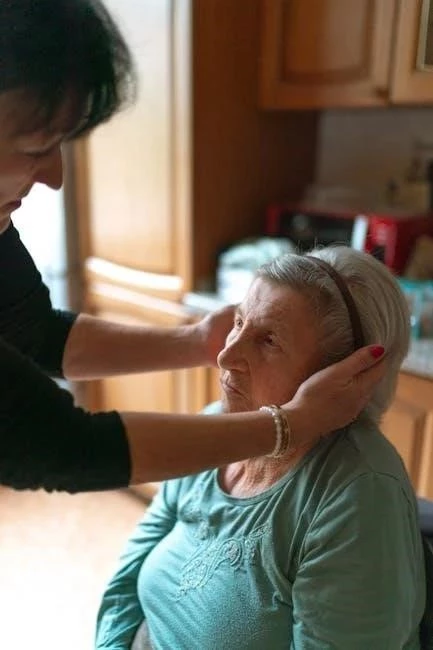
Caring for a loved one with chronic health needs requires immense dedication, often placing a heavy emotional and physical weight on the primary caregiver. In the vibrant but unpredictable environment of New York City, a sudden illness or a transit delay can quickly turn a stable routine into a stressful emergency. Establishing a professional contingency plan ensures that your family member never faces a gap in support, maintaining their safety and your peace of mind. Investing time in a backup strategy is the ultimate act of protection, ensuring that the quality of life remains high even when life’s surprises occur.
Clinical Quick Answer
A clinical continuity plan is a documented strategy that ensures Private Home Care services remain uninterrupted during the absence of a primary provider. The process of hiring a backup caregiver NYC involves identifying secondary support, cross-training them on the patient’s specific medical protocols, and maintaining an updated emergency binder. This proactive approach prevents medical errors, reduces caregiver burnout, and mitigates the risk of hospital readmission caused by lapses in daily monitoring or medication administration.

The Critical Role of Continuity in Private Home Care
In the realm of home-based medicine, continuity is not merely a convenience; it is a clinical necessity. Patients with complex conditions such as dementia, advanced diabetes, or cardiovascular disease rely on strict routines to maintain physiological stability. When a primary caregiver becomes unavailable, the sudden shift in routine can trigger anxiety or physical health declines in the patient. A well-constructed continuity plan for Private Home Care ensures that the transition between providers is seamless, preserving the therapeutic environment that has been carefully built.
- Consistency of Routine: Seniors often experience confusion when their daily schedule is disrupted; a backup plan maintains meal times, hygiene rituals, and sleep cycles.
- Preventing Medication Lapses: A backup provider must be fully briefed on dosages and timing to avoid dangerous pharmacological gaps.
- Monitoring Vital Signs: Continuous oversight allows for the early detection of clinical changes, such as worsening edema or cognitive fluctuations.
- Psychological Comfort: Familiarity with a secondary caregiver reduces the “sundowning” effect and agitation common in memory care patients.
- Crisis Management: A trained backup knows the patient’s baseline and can identify when a situation requires professional medical intervention.
Navigating the Process of Hiring a Backup Caregiver NYC
The New York City healthcare landscape is unique, characterized by a vast pool of talent but also significant logistical challenges. When hiring a backup caregiver NYC, families must look beyond basic qualifications and seek individuals who can adapt quickly to an established home environment. This involves a rigorous screening process that includes background checks, verification of certifications (such as HHA or PCA), and personality matching. In a city where transit issues are common, selecting a backup who lives within a reasonable distance or has reliable transportation is a vital practical consideration.
- Vetting for Reliability: Check references specifically for punctuality and the ability to handle high-pressure situations.
- Skills Assessment: Ensure the backup caregiver is proficient in the specific tasks required, such as mechanical lift transfers or specialized wound care.
- Geographic Strategy: Prioritize candidates who can reach the home quickly during Manhattan gridlock or subway service changes.
- Communication Style: Look for caregivers who are proactive in their reporting and comfortable using digital communication tools.
- Cultural Competency: In the diverse NYC market, finding a caregiver who understands the patient’s language and cultural preferences is essential for comfort.
Mitigating Caregiver Burnout through Strategic Respite
One of the primary reasons for hiring a backup caregiver NYC is to prevent the “burnout cycle” that affects so many family members and primary providers. Professional Private Home Care is physically and emotionally demanding. Without scheduled breaks, the primary caregiver’s own health can suffer, which ultimately compromises the quality of care the patient receives. A backup strategy provides a guilt-free window for the primary provider to rest, attend to their own medical appointments, or simply recharge, which is a key component of long-term care sustainability.
- Scheduled Respite: Using a backup caregiver for one day a week can extend the longevity of the primary caregiver’s service by years.
- Emergency Readiness: Knowing a backup is available reduces the chronic stress and “hyper-vigilance” that leads to caregiver fatigue.
- Professional Development: Breaks allow family caregivers to attend workshops or support groups to improve their caregiving skills.
- Mental Health Preservation: Preventing isolation is crucial for caregivers; backup care allows for social interaction and community engagement.
- Balanced Dynamics: Bringing in a fresh perspective can often help identify new solutions to long-standing care challenges.
Documentation and the Caregiver Transition Toolkit
For a backup strategy to be successful, the transfer of information must be meticulous. A “Caregiver Transition Toolkit” or “Grab-and-Go Binder” is an essential clinical document in any Private Home Care setting. This resource should contain everything a new provider needs to know to step in at a moment’s notice. Without clear documentation, even the most skilled backup caregiver will struggle to provide the high-standard care the patient requires, leading to potential safety risks or patient distress.
- Detailed Medication Administration Record (MAR): Include names, dosages, purposes, and a schedule of all prescriptions and supplements.
- Emergency Contact Directory: List primary physicians, preferred hospitals, and immediate family members’ phone numbers.
- Daily Care Flowsheet: Document typical patterns for mobility, toileting, and nutrition to ensure the backup follows a familiar path.
- Allergy and Contraindication List: Clearly mark any food or drug allergies and movements that are restricted by the doctor.
- Equipment Instructions: Provide clear guides for operating oxygen concentrators, hospital beds, or glucose monitors.
Financial Planning for Contingency Care in NYC
The cost of Private Home Care in New York can be significant, and budgeting for a backup caregiver is a necessary part of financial planning. Whether you are paying out-of-pocket or utilizing programs like Medicaid’s Consumer Directed Personal Assistance Program (CDPAP), understanding the financial mechanics of backup care is vital. Families should explore how to maximize their benefits to cover these “safety net” hours. In many cases, having a professional backup can prevent the astronomical costs associated with emergency hospitalizations that occur when care gaps lead to medical crises.
- CDPAP Flexibility: Leverage NYC’s CDPAP program to hire and train friends or relatives as backup caregivers, often covered by Medicaid.
- Long-Term Care Insurance: Review policies to see if they cover respite care or secondary caregivers during primary provider absences.
- Private Pay Reservist: Set aside a specific emergency fund to cover 48–72 hours of professional agency care for sudden needs.
- Tax Incentives: Consult a professional about the Child and Dependent Care Credit, which may apply to backup home care expenses.
- Cost-Benefit Analysis: Compare the cost of a backup caregiver to the potential lost wages of a family member who must miss work.
Implementing a “Dry Run” for Your Backup Care Strategy
A plan that exists only on paper is untested and potentially flawed. Before a crisis occurs, it is clinically recommended to perform a “dry run” with your backup caregiver. This allows the primary caregiver to supervise the backup in the home, ensuring they are comfortable with the environment and the patient’s specific needs. During this time, the primary provider can observe the interaction and correct any techniques, from transfer methods to meal preparation, ensuring that the Private Home Care standards are maintained.
- Shadowing Sessions: Have the backup spend 4–8 hours observing the primary caregiver before they take on a solo shift.
- Environment Orientation: Show the backup where all supplies are kept, from extra linens to medical equipment and cleaning supplies.
- Building Rapport: Allow the patient and the backup caregiver to spend time together in a low-stress environment to build trust.
- Safety Walkthrough: Identify any home hazards, such as loose rugs or tricky door locks, that the backup needs to be aware of.
- Feedback Loop: After the dry run, discuss any questions or concerns the backup may have to ensure total clarity.
Nurse Insight: In my experience, the families who navigate long-term home care most successfully are those who treat backup planning as a core part of the medical treatment plan, not an afterthought. I have seen too many cases where a primary caregiver’s sudden flu led to a patient’s dehydration or missed heart medication. By hiring a backup caregiver NYC early on, you create a fail-safe system. My advice is to always have a “tier-two” provider who has been in the home at least once every three months; this keeps them fresh on the patient’s baseline and ensures they are ready to step in at a moment’s notice without a steep learning curve.
Frequently Asked Questions
How often should I update my backup care plan?
Can I use CDPAP to pay for a backup caregiver in NYC?
What is the most common mistake families make when hiring a backup caregiver NYC?
How do I introduce a backup caregiver to a loved one with dementia?
What basic medical skills should a backup caregiver possess?
Contact ProLife Home Care NYC for a free clinical assessment:(718) 232 – 2777