Providing care for a senior loved one in the fast-paced environment of New York City is a noble but demanding journey that requires immense emotional and physical strength. We understand that your days are often filled with managing medications, appointments, and household tasks, leaving very little room for your own well-being. Recognizing the signs of burnout early is essential to maintaining the high level of care your family member deserves while preserving your own health. By integrating small, manageable wellness practices into your routine, you can find a sustainable balance that honors both your needs and the needs of those you love.
Clinical Quick Answer
Effective caregiver wellness begins with a professional baseline established through a comprehensive Nursing Assessment NYC to ensure the patient’s care plan is clinically sound and manageable. Caregivers must prioritize their own health by utilizing a structured checklist that includes physical activity, mental health breaks, and adequate hydration to prevent the secondary trauma common in long-term care roles. Implementing these professional self-care standards reduces the risk of caregiver burnout and improves the overall health outcomes for NYC seniors receiving home-based care.
Establishing a Professional Baseline with Nursing Assessment NYC
The first step in any successful caregiving journey is ensuring that the care plan is based on clinical reality rather than guesswork. In the context of New York City’s complex healthcare landscape, a professional nursing evaluation is the cornerstone of a safe home environment. This process clarifies the actual physical and cognitive needs of the senior, which directly influences the caregiver’s daily workload. When the patient’s needs are accurately documented, the caregiver can better advocate for resources, such as Medicaid-funded home health aides or specialized equipment.
- Functional Status Evaluation: A registered nurse assesses Activities of Daily Living (ADLs) including bathing, dressing, and mobility to determine the exact level of assistance required.
- Medication Reconciliation: A critical review of all prescriptions and over-the-counter supplements to prevent adverse drug interactions and simplify the administration schedule for the caregiver.
- Safety and Environment Scan: Identifying fall hazards and accessibility barriers within the NYC apartment setting to reduce the physical strain of transfers and movement.
- Cognitive Screening: Assessing memory and executive function to anticipate behavioral changes that may require specific psychological management techniques.
- Nutrition and Hydration Analysis: Ensuring the senior’s dietary plan is manageable for the caregiver to implement daily.
- Documentation for Services: Providing the necessary clinical paperwork to qualify for programs like CDPAP or traditional PCA services through Medicaid.
The Essential Caregiver Self-Care Checklist NYC
Living and working in New York City presents unique stressors, from the noise levels to the logistical challenges of navigating public transit with medical supplies. A dedicated Caregiver self-care checklist NYC helps providers ground themselves amidst the urban chaos. This checklist is not a luxury; it is a clinical necessity to maintain the cognitive function and physical stamina required for complex care. By checking off these items daily, caregivers can ensure they are not neglecting their own biological and emotional needs while serving others.
- Hydration Routine: Drinking at least 64 ounces of water daily, especially important when managing the dry air of NYC apartments during winter months.
- Scheduled Micro-Breaks: Taking at least three 10-minute intervals throughout the day to practice deep breathing or step away from caregiving duties.
- Physical Activity: Engaging in at least 15 minutes of movement, whether it is a walk to a local park or simple stretching to counteract the strain of lifting and assisting a patient.
- Nutritional Fueling: Prioritizing high-protein, whole-food meals rather than relying on processed snacks or caffeine to sustain energy;
- Social Connection: Making one phone call or sending a text to a friend or support group member to maintain an identity outside of the caregiving role.
- Sleep Hygiene: Maintaining a consistent sleep-wake cycle to ensure the brain can recover from the high-vigilance state required for senior care.
Managing Emotional and Psychological Fatigue
The emotional weight of watching a loved one decline can lead to “compassion fatigue,” a state of exhaustion that diminishes a caregiver’s ability to empathize or feel joy. In New York, the isolation of high-rise living can exacerbate these feelings. Addressing mental health is just as important as managing physical symptoms. Professional caregivers and family members alike must recognize that their emotional health is the engine that drives the quality of care. Without regular maintenance, this engine will eventually fail, leading to negative outcomes for both the provider and the senior.
- Boundary Setting: Learning to say “no” to non-essential tasks or external family pressures that add unnecessary stress to the caregiving environment.
- Journaling for Clarity: Spending five minutes daily recording feelings and frustrations to externalize stress rather than internalizing it.
- Professional Counseling: Utilizing telehealth services or NYC-based support groups specifically designed for caregivers dealing with dementia or chronic illness.
- Mindfulness and Meditation: Using apps or local meditation centers to train the brain to stay present, reducing anxiety about the future.
- Identifying Guilt: Recognizing that taking time for oneself is not a betrayal of the patient, but a requirement for their long-term safety.
- Respite Utilization: Coordinating with family or hiring temporary help to allow for a full day or weekend of total disconnection from caregiving duties.
Physical Health and Ergonomics for NYC Caregivers
Caregiving is a physically demanding job that involves repetitive motions, heavy lifting, and long hours on one’s feet. Without proper ergonomic training and a focus on physical health, caregivers are at high risk for musculoskeletal injuries. In the confined spaces of many NYC homes, navigating wheelchairs and hospital beds requires specific techniques. Protecting your body ensures that you can continue to provide care for years to come without developing chronic pain or mobility issues yourself.
- Proper Lifting Techniques: Always bending at the knees and using the legs, never the back, when assisting a senior with transfers from bed to chair.
- Core Strengthening: Incorporating exercises like planks or yoga to build the core stability necessary for stabilizing a patient during mobility assistance.
- Supportive Footwear: Wearing high-quality, slip-resistant shoes throughout the day to prevent foot fatigue and accidental falls within the home.
- Ergonomic Home Setup: Adjusting the height of beds or using transfer boards to minimize the physical effort required for daily care tasks.
- Regular Medical Check-ups: Ensuring the caregiver’s own preventative health screenings and vaccinations are up to date to prevent illness.
- Pain Management: Addressing minor aches and pains immediately through ice, heat, or physical therapy before they become debilitating injuries.
Navigating NYC Support Systems and Medicaid Resources
No caregiver should operate in a vacuum. NYC offers a wealth of resources, but navigating them can be a full-time job in itself. Understanding how to leverage the system allows caregivers to share the load. From the Consumer Directed Personal Assistance Program (CDPAP) to local senior centers, these resources are designed to provide a safety net for both the elderly and those who look after them. Accessing these programs often starts with a formal clinical evaluation to prove medical necessity and determine the hours of support authorized.
- CDPAP Enrollment: A program that allows seniors to hire their own family members or friends as caregivers, providing financial compensation for the work being done.
- Department for the Aging (DFTA): Accessing NYC-specific programs that offer home-delivered meals, transportation, and legal assistance for seniors.
- Medicaid Managed Long Term Care (MLTC): Understanding how insurance providers coordinate home care hours and medical equipment deliveries.
- Local Support Groups: Finding borough-specific groups (Manhattan, Brooklyn, Queens, Bronx, Staten Island) to share local tips and emotional support.
- Transportation Assistance: Utilizing Access-A-Ride or other paratransit services to reduce the stress of getting to medical appointments.
- Emergency Planning: Having a “Go-Bag” and a plan for the senior in case of city-wide emergencies or power outages, common in older NYC buildings.
Clinical Monitoring and Trend Identification
A significant part of caregiver wellness is the peace of mind that comes from knowing the senior is stable. By learning how to perform basic clinical monitoring, caregivers can identify trends before they become emergencies. This proactive approach reduces the “crisis mode” living that often leads to burnout. Keeping a simple log of vitals or behavioral changes allows for better communication with the primary care physician and ensures that the care plan remains appropriate for the senior’s evolving needs.
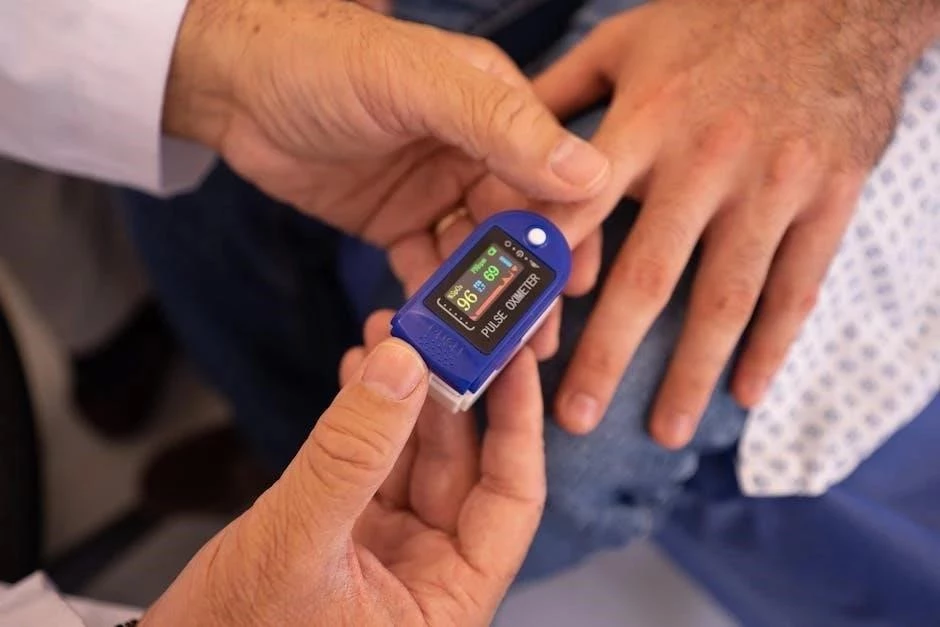
- Vital Sign Tracking: Monitoring blood pressure, pulse, and temperature as recommended by the nursing assessment to catch early signs of infection or cardiac issues.
- Skin Integrity Checks: Regularly inspecting for pressure sores or redness, especially for seniors with limited mobility, to prevent hospitalizations.
- Behavioral Logging: Noting times of day when confusion or agitation increases, which can help in adjusting medication or environmental triggers.
- Appetite and Fluid Intake Logs: Ensuring that nutritional goals are met and identifying patterns of dehydration early.
- Sleep Pattern Observation: Tracking changes in sleep that may indicate pain or underlying neurological shifts.
- Communication Journals: Keeping a central book for all visiting nurses and therapists to write notes, ensuring everyone is on the same page.
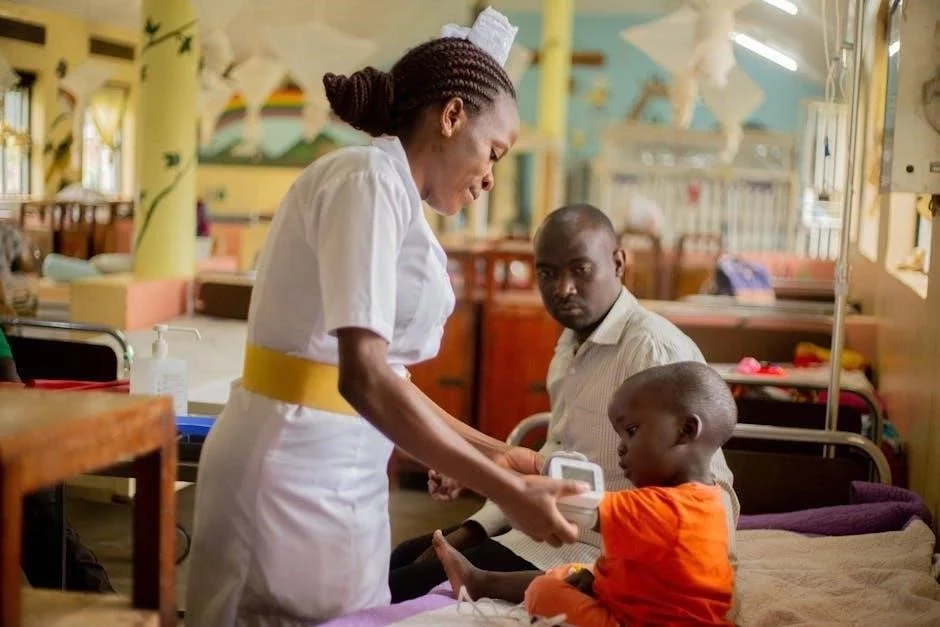
Nurse Insight: In my experience working with hundreds of families across the five boroughs, the caregivers who thrive are those who treat their own wellness as a non-negotiable medical appointment. I often tell my clients that if you don’t take 15 minutes a day for yourself now, you’ll be forced to take 15 days off later for a health crisis of your own. When we perform a Nursing Assessment NYC, we aren’t just looking at the patient; we are looking at the sustainability of the entire home environment. Don’t be afraid to ask for more hours or professional help—Medicaid systems in NYC are designed to support you, but you have to be vocal about your needs to prevent the exhaustion that leads to clinical errors.
Frequently Asked Questions
What is the first step to getting professional home care help in NYC?
Can I get paid to care for my family member in New York?
How can a caregiver self-care checklist NYC help prevent burnout?
What resources are available for NYC caregivers who feel overwhelmed?
How often should a nursing assessment be updated?
Contact ProLife Home Care NYC for a free clinical assessment:(718) 232 – 2777