
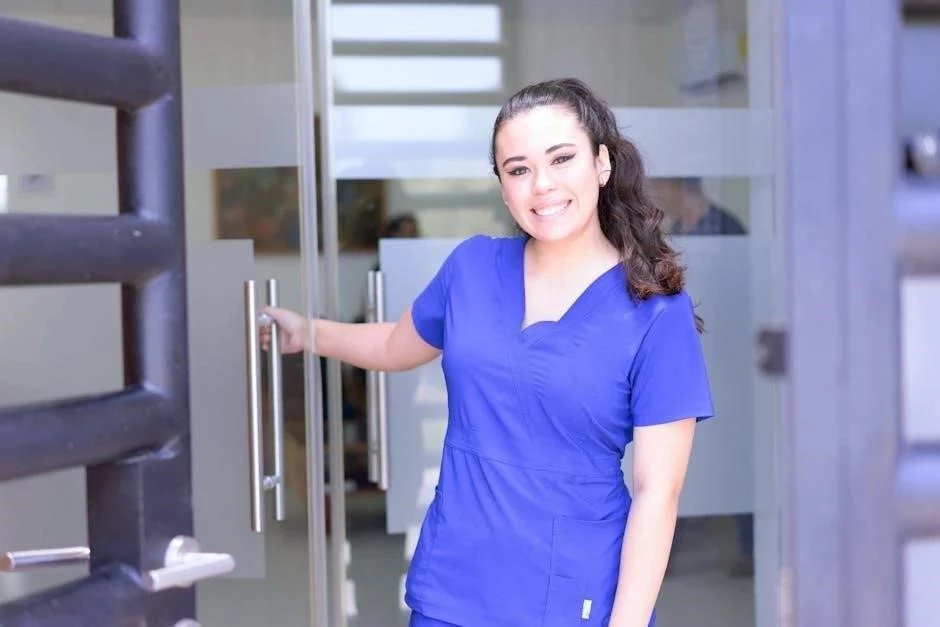
Caring for a loved one at home is a profound act of devotion that often comes with complex clinical responsibilities and emotional weight. For families participating in the CDPAP Program, having access to clinical guidance ensures that the transition from family member to personal assistant is safe and sustainable. Professional oversight provides the necessary safety net, allowing you to focus on the quality of life of your loved one while maintaining high medical standards. We understand the challenges of navigating home care and are dedicated to supporting your journey with expert clinical knowledge.
Clinical Quick Answer
Professional oversight ensures that family members acting as personal assistants can safely perform skilled tasks such as medication administration, wound care, and health monitoring under the guidance of a Registered Nurse. This clinical support reduces the risk of medical errors and emergency hospitalizations by providing real-time feedback and structured care plans within the CDPAP Program. Ultimately, Professional oversight for CDPAP caregivers acts as a bridge between home-based care and professional medical standards, ensuring patient safety and caregiver confidence.
The Vital Role of RN Supervision in the CDPAP Program
The Consumer Directed Personal Assistance Program (CDPAP) is a unique New York Medicaid initiative that allows patients to choose their own caregivers, including family members and friends. However, while this program offers unprecedented autonomy, the clinical complexities of managing chronic conditions at home cannot be ignored. Professional oversight for CDPAP caregivers is not about monitoring your every move but about providing a clinical foundation for the care you provide.
- Bridging the Gap: Registered Nurses act as translators between complex medical orders and daily care routines, ensuring that the patient’s plan of care is followed precisely.
- Regulatory Compliance: Oversight ensures that all care provided meets New York State Department of Health standards, protecting the patient’s eligibility for the CDPAP Program.
- Skill Validation: RNs assess the caregiver’s ability to perform specific tasks, such as insulin injections or catheter care, providing training until the caregiver is fully competent.
- Emergency Prevention: By identifying subtle changes in a patient’s condition during routine check-ins, RNs can prevent health crises before they escalate into hospital visits.
Having a clinical professional involved means that you are never truly alone in your caregiving duties. This partnership enhances the quality of care and ensures that the “consumer-directed” aspect of the program remains safe and effective over the long term.
Risk Mitigation and Patient Safety Protocols
Home care presents unique environmental and clinical risks that differ significantly from a controlled hospital setting. Within the CDPAP Program, the family caregiver is responsible for maintaining a safe environment. Professional oversight helps identify and mitigate these risks through structured assessments and proactive education.
- Fall Prevention: RNs perform home safety evaluations to identify trip hazards and recommend assistive devices like grab bars or non-slip mats, which are critical for elderly patients.
- Infection Control: Proper hygiene, glove use, and sterilization of medical equipment are essential clinical skills that RNs teach to prevent secondary infections like UTIs or pneumonia.
- Aspiration Risk Management: For patients with swallowing difficulties, RNs provide guidance on proper food consistency and positioning during meals to prevent choking.
- Early Warning Signs: Caregivers are trained to recognize the “red flags” of common conditions, such as sudden weight gain in heart failure patients or confusion in those with infections.
When professional oversight for CDPAP caregivers is integrated into the routine, the home environment becomes a clinical outpost that prioritizes safety. This proactive approach significantly reduces the burden on emergency services and improves the overall health trajectory of the patient.
Advanced Medication Management and Compliance
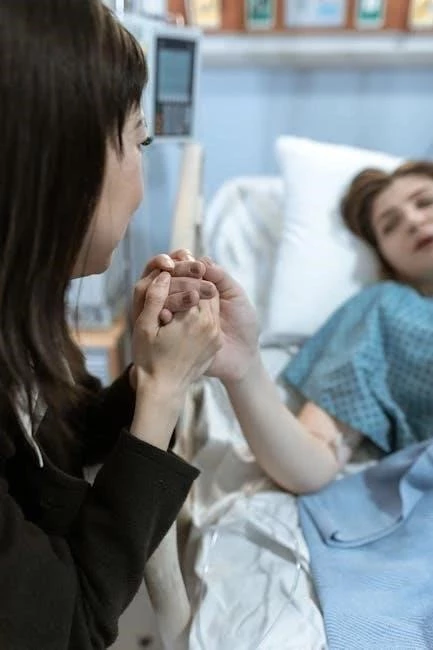
Medication errors are among the leading causes of hospital readmissions for patients receiving home care. When a family member takes on the role of a personal assistant in the CDPAP Program, they often inherit a complex regimen of prescriptions, dosages, and timings. Clinical supervision is essential to navigate this pharmacological landscape safely.
- Medication Reconciliation: RNs review all medications—including over-the-counter supplements—to check for dangerous interactions or duplicate therapies prescribed by different specialists.
- Adherence Strategies: Nurses help caregivers develop reliable systems for tracking doses, such as pill organizers or digital alerts, ensuring that life-saving medications are never missed.
- Side Effect Monitoring: Caregivers are taught what to look for regarding adverse reactions, such as rashes, dizziness, or gastrointestinal distress, and when to contact a doctor.
- Injection Training: For medications requiring subcutaneous or intramuscular delivery, RNs provide hands-on training to ensure the caregiver is comfortable and the technique is sterile.
The complexity of modern medicine requires a level of precision that professional oversight for CDPAP caregivers provides. By ensuring medication compliance, caregivers can maintain the patient’s stability and prevent the rapid decline often associated with improper drug administration.
Monitoring Vital Signs and Physical Assessment
In a professional healthcare setting, vital signs are the first indicators of health status. For families in the CDPAP Program, learning how to accurately measure and interpret these numbers is a vital part of the caregiving process. Professional oversight provides the clinical training necessary to turn raw data into actionable health insights.
- Blood Pressure Management: RNs teach caregivers how to use cuffs correctly and what specific ranges are acceptable for their loved one’s specific condition.
- Glucose Monitoring: For diabetic patients, professional oversight ensures that blood sugar readings are taken at the correct times and that insulin doses are adjusted according to the physician’s sliding scale.
- Oxygen Saturation: Nurses provide instruction on using pulse oximeters and how to manage supplemental oxygen equipment safely within the home.
- Skin Integrity Checks: One of the most critical assessments is checking for pressure ulcers (bedsores). RNs train caregivers to spot early stage redness and implement turning schedules.
Empowering a caregiver with these clinical skills transforms them from a passive observer into an active participant in the medical team. This level of professional oversight for CDPAP caregivers ensures that the patient’s physical status is documented and tracked with professional-grade accuracy.
Addressing Caregiver Burnout through Clinical Support
The emotional and physical toll of caregiving is a significant factor in the success of any home care arrangement. The CDPAP Program recognizes the value of family care, but without support, caregivers often experience burnout, which can lead to a decline in the quality of care provided. Professional oversight serves as a vital support system for the caregiver’s own well-being.
- Emotional Decompression: RNs provide a listening ear and professional validation, helping caregivers navigate the guilt and stress often associated with caring for a family member.
- Respite Guidance: Nurses can help identify when a caregiver needs a break and assist in coordinating temporary relief to prevent total exhaustion.
- Ergonomics and Self-Care: Proper lifting techniques and body mechanics are taught to prevent the caregiver from sustaining musculoskeletal injuries while assisting the patient.
- Confidence Building: Through ongoing education, caregivers feel more competent in their roles, which reduces the anxiety of “doing something wrong” and improves their overall mental health.
When professional oversight for CDPAP caregivers is prioritized, the caregiver is treated as a person, not just a service provider. This holistic approach ensures the longevity of the caregiving arrangement and protects the family unit from the devastating effects of chronic stress.
Documentation and the Path to Long-Term Compliance
For the CDPAP Program to continue funding home care, there must be clear evidence that the care is being provided and that it remains medically necessary. Professional oversight ensures that the administrative side of caregiving is handled with the same care as the clinical side. Proper documentation is the key to maintaining Medicaid eligibility and ensuring uninterrupted service;
- Clinical Progress Notes: RNs guide caregivers on how to document daily activities and health changes in a way that satisfies Medicaid auditors.
- Plan of Care Updates: As the patient’s condition evolves, the RN works with the physician to update the formal plan of care, ensuring the hours authorized for CDPAP reflect the actual needs.
- Verification of Services: Professional oversight provides a secondary check to ensure that all tasks authorized by the social services district are being performed and documented correctly.
- Quality Improvement: Regular reviews of the care provided allow for continuous improvement, ensuring that the patient receives the highest possible standard of home care.
By focusing on these six clinical pillars, professional oversight for CDPAP caregivers creates a robust framework for success. It transforms the home into a safe, clinically-sound environment where patients can thrive under the care of those who love them most, supported by the expertise of the medical community.
Nurse Insight: In my experience, the most successful home care outcomes happen when the family caregiver stops seeing themselves as just a helper and starts seeing themselves as a vital member of the medical team. I always tell my families in the CDPAP Program that the RN visit is your “recharge time.” Use that time to ask the hard questions about medications, skin changes, or even your own stress levels. Professional oversight for CDPAP caregivers isn’t a test; it’s a partnership designed to keep your loved one safe and keep you from burning out. Don’t be afraid to voice your concerns—your observations are often more accurate than any medical chart because you see the patient every single day.