Caring for an aging loved one in New York City often means balancing their independence with the constant need for health vigilance. Smart toilets for health monitoring offer a non-invasive way to keep a watchful eye on vital signs without disrupting their daily bathroom routine. These innovative devices provide families with peace of mind by detecting subtle changes in health before they become emergencies. By integrating these tools into the home, you are ensuring a higher standard of proactive care for your elderly family members.
Clinical Quick Answer
Smart toilets for health monitoring utilize integrated sensors and biochemical analyzers to track metrics such as hydration, glucose levels, and cardiovascular health through routine waste analysis. When paired with a professional Nursing Evaluation, this data allows for early detection of urinary tract infections, chronic kidney disease, and congestive heart failure. These systems represent a significant leap in remote patient monitoring, enabling NYC seniors to age in place while maintaining clinical-grade oversight.
The Evolution of Remote Monitoring: Why Smart Toilets Matter
In the dense urban landscape of New York City, accessing frequent clinical laboratory services can be a logistical challenge for seniors with limited mobility. Smart toilets represent the next frontier in the evolution of home health technology. Unlike wearable devices, which patients may forget to charge or wear, a smart toilet captures data passively during a natural daily activity. This “invisible” monitoring ensures higher compliance and more consistent data collection over long periods.
- Passive Data Collection: Eliminates the need for manual testing or remembering to wear sensors, which is particularly beneficial for patients with cognitive impairments like dementia.
- Longitudinal Tracking: Provides a baseline of health over months rather than a single snapshot during a doctor’s visit, allowing for the detection of gradual trends.
- Reduced Clinical Burden: Decreases the frequency of unnecessary trips to the lab for routine screenings, saving time for both the patient and the NYC healthcare system.
- Enhanced Privacy: Modern smart toilets use secure, encrypted data transmission to ensure that sensitive health information remains private while still being accessible to healthcare providers.
Biochemical Analysis: Real-Time Labs in the Bathroom
The core value of smart toilets for health monitoring lies in their ability to perform automated urinalysis. Advanced models are equipped with spectroscopic sensors and reagent-based test strips that can identify various biomarkers. This technology brings the capabilities of a diagnostic lab directly into the home, allowing for daily screenings that would otherwise be impossible.
- Urinary Biomarkers: Detection of protein (proteinuria) can indicate early-stage kidney disease, while glucose levels help monitor diabetic management.
- Specific Gravity and Hydration: Monitoring the concentration of urine is vital for NYC seniors, who are often at higher risk for dehydration during heatwaves or due to diuretic medications.
- Infection Markers: By identifying nitrites and leukocytes, the system can flag potential urinary tract infections (UTIs) before physical symptoms like confusion or pain manifest.
- Stool Analysis: Some high-end models analyze stool consistency and the presence of occult blood, which are critical indicators for gastrointestinal health and early cancer screening.
Integration with Nursing Evaluation for Holistic Care
While the data provided by smart toilets is revolutionary, its true clinical value is unlocked through a professional Nursing Evaluation. A Registered Nurse (RN) interprets the raw data within the context of the patient’s overall health history, medications, and physical environment. In New York, these evaluations are standard for Medicaid-funded care, and the addition of smart toilet data makes them significantly more accurate.
- Contextualizing Trends: An RN can determine if a sudden spike in sodium excretion is due to a dietary lapse or if it indicates a need for medication adjustment in heart failure patients.
- Early Intervention Protocols: When the toilet flags an abnormality, the nursing team can initiate immediate follow-up actions, such as telehealth consultations or home visits.
- Medication Management: Nurses use the data to monitor how well a patient is responding to diuretics, antihypertensives, or insulin, ensuring the dosage is optimal.
- Personalized Care Planning: The insights gained from daily monitoring allow nurses to tailor care plans specifically to the physiological needs of the senior.
Cardiovascular and Renal Monitoring via Smart Technology
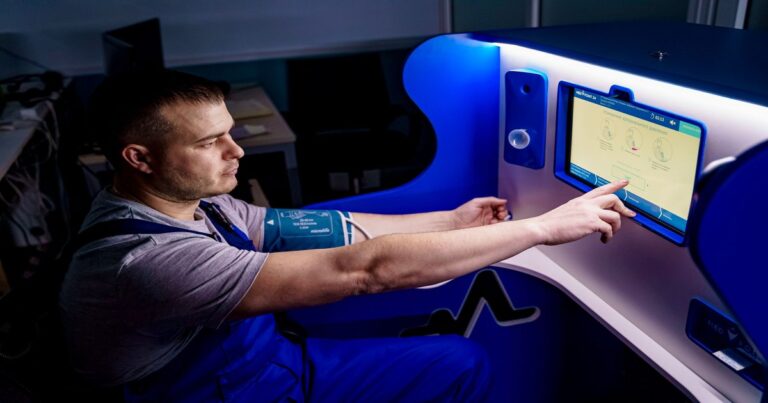
Beyond waste analysis, many smart toilets are now being designed with sensors built into the seat to monitor cardiovascular health. This is particularly important for managing conditions like Congestive Heart Failure (CHF) and hypertension, which are prevalent among the elderly population in New York. The integration of ECG and ballistocardiogram (BCG) technology into the seat allows for daily heart health checks;
- Blood Pressure Trends: Sensors can estimate blood pressure based on pulse arrival time, providing a daily view of cardiovascular stability.
- Heart Rate Variability (HRV): Tracking HRV helps in assessing the autonomic nervous system and can be an early indicator of physiological stress or impending illness.
- Stroke Volume and Cardiac Output: Advanced BCG sensors can measure the force of the heart’s contraction, offering insights into cardiac efficiency.
- Fluid Retention Monitoring: In conjunction with urine output data, cardiovascular monitoring helps detect fluid overload, a common cause of hospitalization for heart failure patients.
Enhancing Safety and Preventing Hospitalizations
The primary goal of smart toilets for health monitoring is to keep NYC seniors safe and out of the hospital. By identifying health issues in their subclinical phase, healthcare providers can intervene early. This proactive approach is much more cost-effective and less traumatic for the patient than emergency department visits. Safety in the bathroom is also addressed through additional integrated technologies.
- Fall Detection: Many smart bathroom setups include motion sensors or accelerometers that can alert caregivers if a senior falls while using or approaching the toilet.
- Night-time Safety: Integrated lighting and automated height adjustments help prevent accidents during frequent nighttime bathroom trips.
- Reducing “Silent” Emergencies: Conditions like asymptomatic UTIs can lead to sepsis in the elderly; smart toilets catch these before they escalate.
- Improved Outcomes: Consistent monitoring is linked to better management of chronic diseases, which directly correlates to a longer life expectancy and higher quality of life.
Medicaid, MLTC, and the Future of Home Health Technology
In New York City, many seniors rely on Medicaid and Managed Long-Term Care (MLTC) plans for their home care needs. As the technology for smart toilets becomes more mainstream, its role within the Medicaid framework is expanding. Documentation provided by these devices can serve as objective evidence for the necessity of home care hours and the intensity of nursing oversight required.
- Justification of Care: Data logs from smart monitoring provide concrete evidence of a patient’s medical needs during Medicaid assessments and reassessments.
- Cost-Benefit for MLTCs: Insurance providers are increasingly interested in technologies that prevent high-cost hospital stays, making smart toilets an attractive investment for preventative care.
- Support for Family Caregivers: For those participating in programs like CDPAP, having access to smart toilet data empowers family members to be more effective “health deputies” for their loved ones.
- Future Standardization: As more clinical studies validate the accuracy of smart toilets, they are expected to become a standard component of the “smart home” package for Medicaid-eligible seniors.
Nurse Insight: In my experience working with NYC families, the biggest barrier to effective home care is the “information gap” between nurse visits. A senior might seem fine during a weekly Nursing Evaluation, but their physiological markers could be shifting behind the scenes. Smart toilets for health monitoring bridge this gap. I once had a patient whose smart toilet flagged an increase in protein levels two weeks before he felt any physical symptoms of a kidney issue. Because we had that data, we adjusted his medications immediately and avoided a costly and stressful hospitalization. My advice is to view this technology not as a replacement for human care, but as a 24/7 assistant that helps us nurses do our jobs more effectively.
Frequently Asked Questions
Are smart toilets for health monitoring covered by Medicaid in NYC?

How do smart toilets protect the privacy of the senior?
Can a smart toilet really detect a UTI before symptoms appear?
Do these devices require a plumbing overhaul in NYC apartments?
How does the data reach my loved one’s doctor?
Contact ProLife Home Care NYC for a free clinical assessment:(718) 232 – 2777