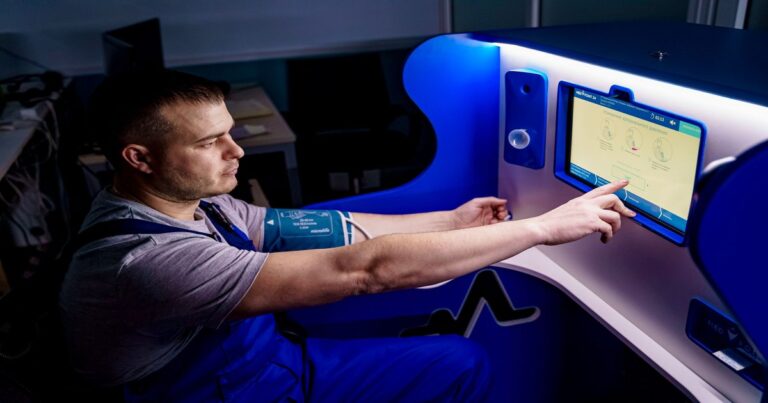

Digital therapy for elderly depression offers a compassionate bridge for seniors who feel disconnected from their communities and traditional care settings. We understand how difficult it is to watch a loved one struggle with persistent sadness or withdrawal, especially when physical mobility or transportation becomes a barrier. These modern tools are designed to meet your family member right where they are, providing emotional support in the safety and comfort of their own home; By integrating technology into daily routines, we can restore a sense of purpose and connection for the seniors who mean the most to us.
Clinical Quick Answer
Digital therapy for elderly depression utilizes evidence-based interventions delivered via secure video platforms, mobile applications, and interactive software to mitigate the risks associated with social withdrawal. By adopting behavioral health technology, NYC families can ensure their loved ones receive specialized cognitive-behavioral interventions that are often more accessible than traditional in-person visits. These digital solutions are increasingly supported by New York state health initiatives to combat the rising tide of geriatric mental health challenges.
Understanding Mental Health Isolation in the Aging Population
Mental health isolation is a silent epidemic among NYC seniors, often exacerbated by the fast-paced nature of urban life and the gradual loss of social networks. When an older adult experiences a reduction in meaningful human contact, the biological and psychological repercussions are profound. Isolation is not merely the state of being alone; it is the distressing feeling of being disconnected, which directly fuels the fire of clinical depression. In New York City, where high-rise living can inadvertently create barriers to community engagement, the risk of chronic loneliness is particularly high.
- The link between social withdrawal and cognitive decline is well-documented in geriatric studies.
- Isolation leads to increased cortisol levels, which can worsen existing heart conditions and weaken the immune system.
- Seniors living in “naturally occurring retirement communities” (NORCs) often face challenges accessing localized mental health resources.
- Loss of a spouse or the relocation of adult children are primary triggers for late-life depression.
- Digital tools act as a vital lifeline, reconnecting the senior with clinicians and peer support groups.
- Early intervention through digital screening can prevent the progression of depressive symptoms.
Addressing isolation requires a multi-faceted approach. Families must recognize that the “quietness” of a senior might not be contentment, but rather a symptom of emotional retreat. By introducing digital therapy for elderly depression, we disrupt the cycle of solitude. These platforms offer more than just medical advice; they provide a consistent presence and a reason for the senior to engage with the outside world every day. The goal is to transform the home from a place of confinement into a hub of therapeutic interaction.
The Therapeutic Potential of Digital Interventions
Digital therapy for elderly depression encompasses a wide range of modalities, from structured tele-therapy sessions to AI-driven cognitive exercises. These interventions are specifically tailored to the cognitive profiles of older adults, ensuring that the interface is accessible and the content is relevant. Cognitive Behavioral Therapy (CBT) delivered digitally has shown comparable efficacy to face-to-face sessions, particularly for managing mild to moderate depression. The flexibility of digital platforms allows for shorter, more frequent check-ins, which can be less overwhelming for a senior than a long, formal office visit.
- Video-based counseling allows for the observation of non-verbal cues by the therapist;
- Mood-tracking applications help seniors and caregivers identify patterns and triggers in daily behavior.
- Virtual reality (VR) environments are being used to stimulate positive memories and reduce anxiety.
- Reminiscence therapy, delivered via digital tablets, encourages seniors to share their life stories, boosting self-esteem.
- Interactive support groups provide a platform for seniors to connect with peers facing similar challenges;
- Digital platforms often include educational modules that empower seniors to manage their own mental health.
The integration of technology into mental health care represents a paradigm shift. It moves away from the reactive model—treating symptoms only when they become severe—toward a proactive model of continuous support. For an elderly person in NYC, being able to click a button and see a friendly, professional face can make the difference between a day of despair and a day of hope. This accessibility is crucial for those with mobility issues or those who find New York’s transit system daunting.
Navigating Behavioral Health Tech in New York City
New York City is at the forefront of the behavioral health technology movement, offering numerous programs designed to bring digital care to the elderly. The city’s unique infrastructure allows for partnerships between tech providers and community organizations. For families, the challenge often lies in navigating the vast array of available options and determining which tools are covered by insurance or city-funded programs. NYC’s Department for the Aging (DFTA) and various Medicaid-managed care plans have begun to recognize tele-mental health as a standard of care, reflecting the growing evidence of its benefits.
- NYC Well offers free, confidential mental health support via phone, text, or chat 24/7.
- Many NYC-based hospitals now offer proprietary apps for remote patient monitoring and mental health check-ins.
- Medicaid’s CDPAP program can sometimes be utilized to help family caregivers facilitate these digital sessions.
- Local libraries and senior centers often provide the high-speed internet access necessary for high-quality video therapy.
- GrandPad and similar age-friendly tablets are becoming popular choices for NYC families.
- Programs like “Bridge the Gap” work specifically on providing hardware to low-income seniors.
In the context of the Five Boroughs, digital therapy for elderly depression is not just a luxury; it is a necessity for equitable healthcare access. Whether a senior is in a walk-up apartment in Brooklyn or a high-rise in Manhattan, technology levels the playing field. It ensures that the quality of care is not determined by one’s zip code or physical ability to travel. Families should look for providers who are licensed in New York and understand the specific cultural nuances of the city’s diverse aging population.
Overcoming Technical Barriers and the Digital Divide
One of the most significant hurdles in implementing digital therapy for elderly depression is the perceived or real difficulty of using technology. This “digital divide” can be bridged through thoughtful design and patient education. Many seniors are more tech-savvy than they are given credit for, especially when the tools are simplified and the benefits are clear. Training should be patient, repetitive, and focused on the senior’s specific needs. For those with visual or hearing impairments, many behavioral health tech solutions offer customizable settings to ensure accessibility.
- Large-icon interfaces and voice-activated commands reduce the frustration of navigating complex menus.
- Step-by-step physical manuals can provide a sense of security for seniors learning new software.
- Family members can act as “tech-champions,” setting up the equipment and performing initial test calls.
- Remote desktop support allows technicians to fix software issues without the senior needing to do anything.
- Subsidized tablet programs often come with pre-installed apps, reducing the setup burden.
- Instructional sessions held at local senior centers can foster a group learning environment.
We must also address the issue of internet connectivity. In many parts of NYC, high-speed internet is still a financial burden for those on fixed incomes. Advocating for low-cost “lifeline” internet services is a critical part of the care plan. Once the technical infrastructure is in place, the senior’s confidence usually grows. The initial anxiety of using a computer or tablet is quickly replaced by the positive reinforcement of successful therapy sessions and social connections.
The Role of Family and Professional Caregivers
Family members and home health aides play a central role in the success of digital therapy for elderly depression. They are the eyes and ears on the ground, noticing when a senior is struggling to use a device or when their mood appears to be shifting. Caregivers can assist by scheduling sessions, ensuring the senior is comfortable and ready before the call begins, and providing emotional support after a difficult therapy session. In NYC, where many families utilize the CDPAP program, the caregiver’s involvement in the mental health plan of care is more vital than ever.
- Caregivers can help monitor compliance with digital exercises and medication reminders.
- Providing a quiet, private space for therapy sessions respects the senior’s dignity and confidentiality.
- Regular communication between the family and the digital therapist ensures a holistic approach to care.
- Caregivers should be trained to recognize signs of digital fatigue or burnout in the senior.
- Encouraging the senior to use the device for fun activities, like video calling grandkids, builds positive associations with tech.
- Documenting progress observed at home helps clinicians adjust the digital therapy plan.
The collaboration between the senior, the caregiver, and the clinician creates a “safety net.” While the technology provides the medium, the human connection provides the healing. It is important for caregivers to remember that they are facilitators, not replacements for the therapy. Their goal is to empower the senior to take an active role in their own mental health journey through these digital channels.
Clinical Outcomes and the Future of Geriatric Care
The long-term benefits of digital therapy for elderly depression extend beyond immediate symptom relief. Engaging with technology stimulates cognitive pathways and fosters a sense of modern-day relevance, which is incredibly empowering for seniors. Research indicates that seniors who regularly use digital health tools report higher levels of self-efficacy and lower levels of mental health isolation. As artificial intelligence and wearable tech continue to evolve, we will see even more personalized and predictive mental health care for the elderly.
- Wearable sensors can track sleep patterns and activity levels, providing data that helps predict depressive episodes.
- AI-driven chatbots provide immediate, low-stakes interaction for seniors who need to talk in the middle of the night.
- Data analytics allow clinicians to see which interventions are working in real-time across a large population.
- The integration of mental health tech with physical health monitoring creates a truly integrated care model.
- Future developments may include “ambient sensing” that detects changes in speech patterns or movement indicative of depression.
- Increased funding for telehealth ensures that these programs will remain a permanent fixture of NYC’s healthcare landscape.
As we look toward the future, the goal is to make digital therapy so seamless that it becomes a natural part of aging in place. For the NYC senior, this means a life where mental health support is always within reach, regardless of physical or social barriers. By embracing behavioral health technology today, we are paving the way for a more resilient and connected generation of older adults. The journey toward healing is no longer limited by the four walls of a clinic; it is as expansive as the digital world itself.
Nurse Insight: In my experience working with NYC Medicaid families, the biggest hurdle isn’t the technology itself, but the fear of the unknown. I once worked with an 85-year-old gentleman in Queens who was terrified of his tablet until we showed him he could use it to see his newborn great-grandson. Once that emotional connection was made, he was much more open to his digital therapy sessions. My advice to families is to start small: use the device for social connection first, then gradually introduce the therapeutic tools. When a senior sees tech as a window to their loved ones rather than a confusing medical gadget, the ‘Digital therapy for elderly depression’ becomes significantly more effective.
Frequently Asked Questions

Is digital therapy covered by Medicaid for NYC seniors?
How can I help a senior who is resistant to using technology?
Does digital therapy work as well as in-person therapy for depression?
What equipment is needed for a senior to start digital therapy?
Can digital therapy help with mental health isolation?
Contact ProLife Home Care NYC for a free clinical assessment:(718) 232 – 2777