Living in a bustling metropolis like New York City presents unique challenges for aging individuals who require deep, restorative rest to maintain their health. The constant intrusion of sirens, subway vibrations, and street-level chatter can severely fragment a senior’s sleep cycle, leading to chronic exhaustion. We recognize that for family caregivers, managing environmental stressors is just as critical as managing medication or nutrition. By implementing specialized auditory tools, you can help your loved one reclaim their nights and improve their overall quality of life in the city.
Clinical Quick Answer
Effective sleep management for New York City seniors often requires the integration of environmental controls to mitigate the disruptive effects of urban noise pollution. Utilizing Noise canceling tech for senior sleep through high-quality white noise machines or active noise cancellation devices can significantly lower cortisol levels and prevent nighttime awakenings. These interventions foster a stable auditory environment, which is clinically proven to support cognitive function and cardiovascular health in the elderly.
The Biological Impact of NYC Noise on Aging Sleep Cycles
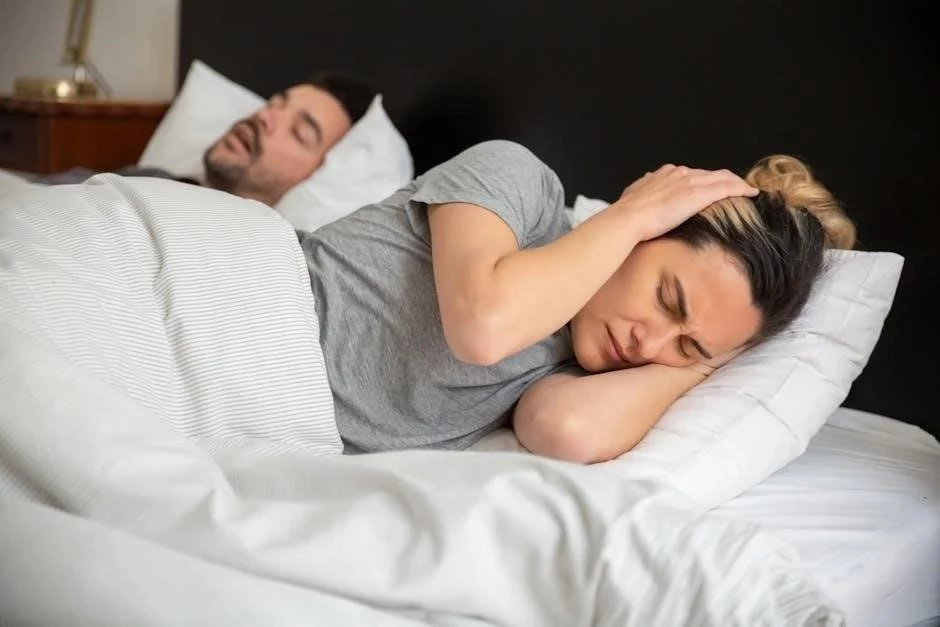
Sleep architecture changes significantly as we age, with seniors spending more time in lighter stages of sleep and less time in deep, slow-wave sleep. In the context of New York City, this physiological shift makes the elderly particularly vulnerable to “startle responses” caused by sudden urban sounds. A car horn on a quiet street or the rumble of a midnight garbage truck can trigger an immediate spike in heart rate and blood pressure, even if the senior does not fully wake up.
- Reduced REM Stability: Constant background noise can shorten REM cycles, which are vital for emotional regulation and memory processing.
- Circadian Disruption: Urban “light and sound pollution” interferes with the natural production of melatonin, making it harder for seniors to fall asleep.
- The Cortisol Spike: Frequent auditory interruptions keep the body in a state of high alert, leading to elevated stress hormones throughout the night.
- Daytime Consequences: Poor sleep quality in NYC seniors is directly linked to an increased risk of falls, confusion, and irritability during the day.
- Hyperacusis in Dementia: For seniors with cognitive decline, urban noise can be perceived as threatening, leading to increased “sundowning” symptoms.
Understanding Noise-Canceling Technology vs. Auditory Masking
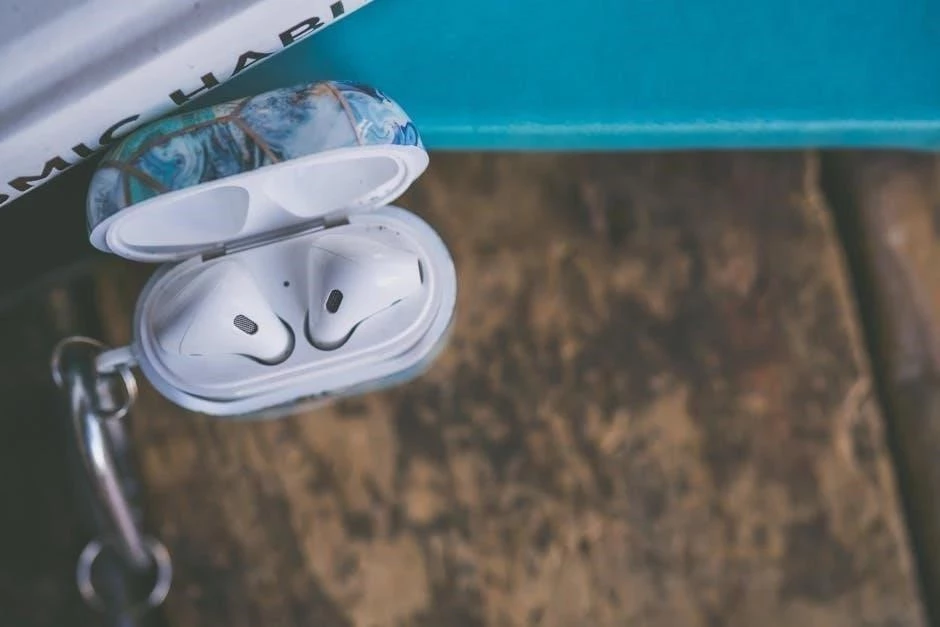
When selecting solutions for an NYC apartment, it is essential to distinguish between technology that actively “cancels” sound and devices that “mask” it. Active Noise Cancellation (ANC) uses microphones to pick up low-frequency noises and creates an inverse wave to neutralize them. While effective, ANC is often found in headphones, which may not be comfortable for all-night wear for seniors. In contrast, white noise machines provide a consistent auditory blanket that raises the “noise floor” of the room.
- White Noise: A steady hum that covers the entire audible frequency spectrum, perfect for drowning out distant traffic or humming appliances.
- Pink Noise: Features more power at lower frequencies, which many clinical studies suggest is more soothing for the aging brain and better for deep sleep.
- Brown Noise: Deeper and bass-heavy, ideal for masking the low-frequency vibrations of NYC subways or heavy machinery.
- Passive Isolation: The use of heavy blackout curtains or acoustic seals on windows, which works in tandem with electronic devices.
- Device Interface: For seniors, tech should feature tactile buttons rather than complex touchscreen menus to ensure ease of use.
Clinical Benefits of Sound Management for Geriatric Patients
From a clinical perspective, managing the auditory environment is a form of non-pharmacological therapy. In a city like New York, where many seniors may already be taking multiple medications (polypharmacy), adding a sleep aid drug can increase the risk of side effects like dizziness or daytime grogginess. White noise machines offer a safe alternative that supports the brain’s natural ability to filter out non-threatening stimuli.
- Cardiovascular Protection: Maintaining a steady heart rate during sleep reduces the long-term strain on the heart, which is crucial for seniors with hypertension.
- Cognitive Maintenance: Improved sleep quality allows for better clearance of beta-amyloid plaques, which are associated with Alzheimer’s disease.
- Mood Stabilization: Consistent rest reduces the incidence of late-life depression and anxiety, common among isolated urban seniors.
- Immune Support: Deep sleep is the primary time for the immune system to repair and regenerate, providing a natural defense against seasonal illnesses.
- Enhanced Alertness: By securing 7-8 hours of quality rest, seniors demonstrate better executive function and faster reaction times.
Safety Protocols for Implementing Sleep Tech in the Home
While noise-canceling technology is beneficial, it must be implemented with a focus on senior safety. NYC apartments can be cramped, and adding new devices requires careful placement to avoid creating new hazards. Caregivers should focus on the “=Nurse Support ” model of environment assessment to ensure that the sleep aid does not interfere with the senior’s ability to hear emergency signals or navigate the room safely.
- Volume Regulation: Sounds should never exceed 60 decibels; excessive volume can damage sensitive hearing or cause further disorientation.
- Cord Management: Ensure all power cables are secured along baseboards using clips to prevent tripping during nighttime bathroom visits.
- Emergency Awareness: The white noise should be loud enough to mask traffic but quiet enough that the senior can still hear a smoke alarm or a ringing phone.
- Stable Placement: Place the machine on a sturdy nightstand or shelf where it cannot be easily knocked over by a reaching hand.
- Fire Safety: Only use UL-certified electronics and avoid plugging multiple high-wattage devices into the same outlet in older NYC buildings.
Selecting the Best Device for the NYC Environment
Not all white noise machines are created equal, especially when dealing with the high-decibel environment of Brooklyn or Manhattan. When shopping for noise-canceling tech for senior sleep, look for features that specifically address urban challenges. Fan-based machines offer a natural sound, while digital machines provide a wider variety of masking options like “rain” or “ocean” which can be psychologically grounding for seniors who feel trapped in a concrete jungle.
- Mechanical vs. Digital: Mechanical machines (with real fans) provide a more organic sound but fewer volume options than digital counterparts.
- Timer Functions: Look for devices that can run all night rather than shutting off after 30 minutes, which can cause the senior to wake up when the sound stops.
- Battery Backup: Essential for NYC residents in areas prone to localized power flickers or during summer heatwaves when the grid is stressed.
- Portability: Small, travel-sized machines are useful if the senior spends time between their own apartment and a caregiver’s home.
- Headphone Jacks: Useful for seniors who live in multi-generational households where others may not want to hear the white noise.
Integrating Sound Tech into a Holistic Sleep Hygiene Plan
Technology is most effective when part of a broader “sleep hygiene” strategy. In New York, this means creating a sanctuary within the apartment that signals to the brain that it is time to rest. For seniors, routine is the cornerstone of health. The white noise machine should be the final “trigger” in a nightly sequence that prepares the body for slumber, following a consistent schedule that aligns with their natural biological clock.
- Consistent Timing: Turn the machine on at the exact same time every night to build a Pavlovian response for sleepiness.
- Temperature Control: NYC apartments are often overheated in winter; use the machine’s fan (if mechanical) to help circulate air.
- Light Mitigation: Combine sound masking with high-quality eye masks or blackout shades to block the glare of streetlights and neon signs.
- Limit Blue Light: Encourage the senior to turn off televisions and tablets at least one hour before the white noise machine is activated.
- Caregiver Monitoring: Regularly ask the senior how they feel in the morning to adjust the volume or sound type based on their feedback.
Nurse Insight: In my experience working with families across the five boroughs, I have found that sleep tech is often the “missing piece” in geriatric care plans. Often, we focus so much on medications that we forget the environment is a living, breathing factor in health. I always tell my clients that =Nurse Support means looking at the bedroom through the eyes—and ears—of the patient. If you hear a radiator clanking or a neighbor’s TV through the wall, your loved one’s brain is processing that all night. A simple $50 white noise machine can sometimes be more effective than a prescription pill for improving a senior’s cognitive clarity the next day.
Frequently Asked Questions
Are white noise machines safe for seniors who wear hearing aids?
Will insurance or Medicaid pay for noise-canceling technology?
What is the best sound setting for a senior with early-stage dementia?
Can I use a smartphone app instead of a dedicated machine?
How far away from the bed should the machine be placed?
Contact ProLife Home Care NYC for a free clinical assessment:(718) 232 – 2777