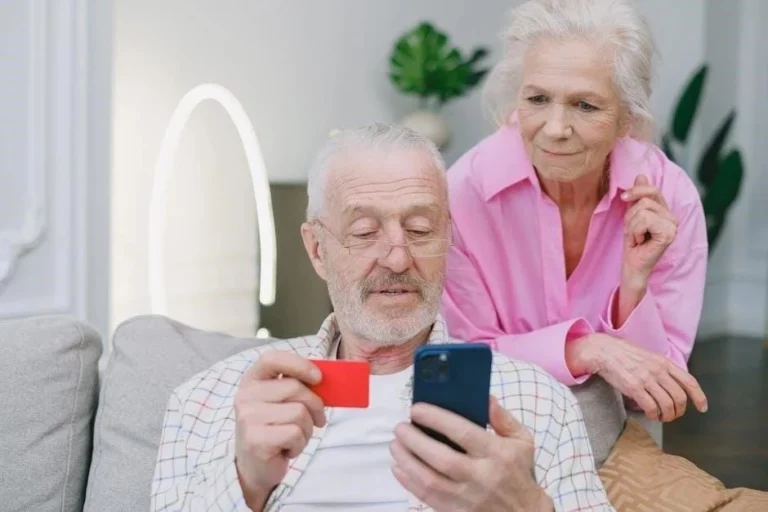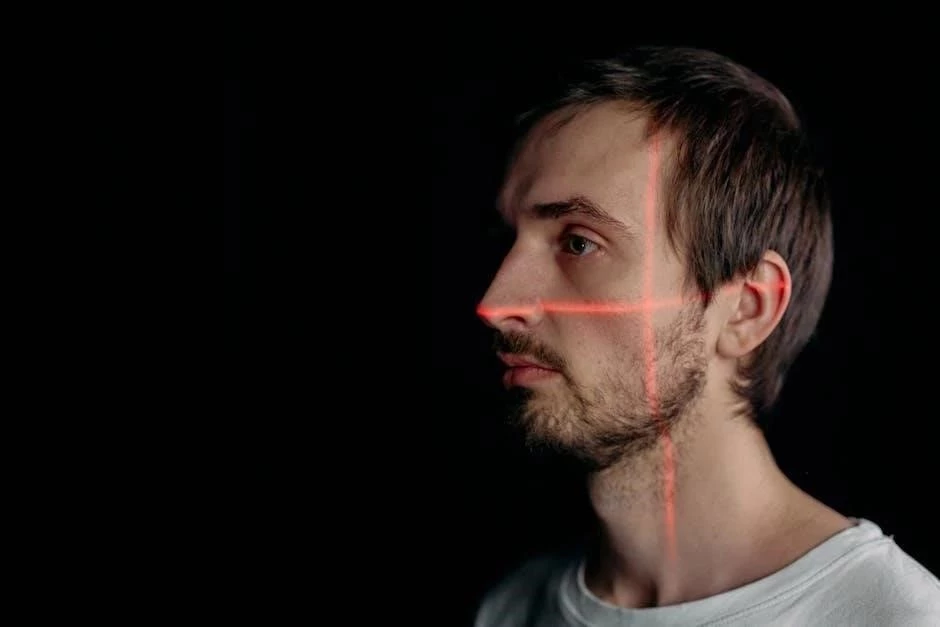
Families in New York City deserve absolute peace of mind knowing that their elderly or disabled loved ones are receiving the exact care hours authorized by Medicaid. The implementation of biometric verification systems represents a significant step forward in ensuring caregiver accountability and patient safety within the home environment. By utilizing secure technology, the city helps protect vulnerable residents from the risks associated with missed visits or fraudulent reporting. These advancements allow families to focus on recovery and quality time, trusting that the professional care infrastructure is robust and transparent.
Clinical Quick Answer
New York City has implemented Electronic Visit Verification (EVV) systems that utilize a Biometric ID for Medicaid home care NYC to confirm the physical presence of caregivers at the patient’s residence. This system prevents Medicaid fraud by capturing real-time data such as clock-in times and GPS locations, ensuring that the Home Care Aide Wage is paid only for verified service delivery. Clinically, this ensures continuity of care and protects the health outcomes of Medicaid recipients by eliminating “ghost” visits.
The Legal Framework: Why Biometric ID for Medicaid Home Care NYC is Mandatory
The transition toward biometric verification in New York City is rooted in federal legislation known as the 21st Century Cures Act. This law mandates that all states implement Electronic Visit Verification (EVV) for personal care services (PCS) and home health care services (HHCS) to remain eligible for full federal Medicaid funding. In the dense urban environment of NYC, where fraud prevention is a massive logistical undertaking, the New York State Department of Health (DOH) has moved toward more sophisticated verification methods, including biometric markers.
- Federal Compliance: The Cures Act requires verification of the type of service, individual receiving the service, date, location, individual providing the service, and the time the service begins and ends.
- State Oversight: New York utilizes a “Choice Model,” allowing Licensed Home Care Services Agencies (LHCSAs) and CDPAP providers to select their own EVV vendors, provided they meet state data standards.
- Fraud Mitigation: By using a unique Biometric ID for Medicaid home care NYC, the city reduces the possibility of “buddy punching” or caregivers clocking in from locations other than the patient’s home.
- Audit Trails: The system creates an immutable digital record that can be reviewed by state auditors to ensure that Medicaid funds are being spent appropriately.
- Data Integration: EVV data is transmitted to the New York State EVV Data Aggregator, ensuring centralized oversight of the thousands of visits occurring daily.
Understanding the Biometric Technologies Used in Home Care
Biometrics refers to the measurement and statistical analysis of people’s unique physical and behavioral characteristics. In the context of NYC home care, this technology is usually integrated into mobile applications that caregivers download onto their smartphones or tablets provided by the agency. These tools are designed to be user-friendly while maintaining high levels of security.
- Facial Recognition: Many EVV apps require a “selfie” at the start and end of a shift, which the software compares against a master photo on file to verify identity.
- Fingerprint Scanning: Some specialized devices used in home care settings allow for biometric fingerprint verification, although mobile-based solutions are currently more common in NYC.
- Voice Verification: For caregivers without smartphones, some systems use Interactive Voice Response (IVR) where the caregiver calls from the patient’s landline, and their voiceprint is analyzed to confirm their identity.
- GPS Geofencing: While not strictly biometric, GPS technology works alongside biometric IDs to ensure the caregiver is within a specific radius of the patient’s registered address.
- Encryption Standards: To protect the privacy of both the caregiver and the patient, all biometric data is encrypted and stored according to HIPAA regulations.
Economic Impact: Protecting the Home Care Aide Wage
The implementation of verification systems has a direct correlation with the fiscal management of the Home Care Aide Wage; By ensuring that every minute recorded is a minute worked, the system protects the financial integrity of the Medicaid program and ensures that honest caregivers are compensated fairly. In NYC, wage parity laws make the accuracy of these records even more critical for agency compliance.
- Accurate Payroll: Biometric verification eliminates manual timesheet errors, ensuring that the Home Care Aide Wage reflects actual hours served without delays.
- Overtime Management: The system automatically flags potential overtime, helping agencies manage labor costs and ensuring caregivers are paid legal rates for extra hours.
- Reducing Administrative Overhead: Automated systems reduce the need for manual data entry by office staff, allowing more funds to be directed toward patient care and aide compensation.
- Compliance with Wage Parity: NYC’s specific wage requirements necessitate detailed records to prove that aides are receiving their base pay plus supplemental benefits.
- Prevention of Underpayment: Because the system tracks the exact second a shift ends, it prevents the “rounding down” of hours that sometimes occurred with paper timesheets.
Enhancing Clinical Outcomes and Patient Safety
Beyond fraud prevention, biometric verification serves a clinical purpose. For patients with complex needs, such as those with dementia or mobility issues, the presence of a caregiver is a matter of life and death. Biometric ID systems act as a “check-in” that alerts agencies immediately if a caregiver fails to arrive on time.
- Missed Visit Alerts: If a caregiver does not use their Biometric ID for Medicaid home care NYC within a certain window of the shift start, the agency receives an automated alert to find a replacement.
- Consistency of Care: Verification ensures that patients receive the full duration of their prescribed therapy or personal care, which is essential for maintaining health stability.
- Medication Management: Many EVV systems allow caregivers to check off clinical tasks, such as medication reminders, only after the biometric login is complete.
- Fall Prevention: Real-time monitoring ensures that high-risk patients are not left unattended during critical hours when falls are most likely to occur.
- Accountability for CDPAP: Even in Consumer Directed Personal Assistance Programs, biometrics ensure that personal assistants (including family members) are providing the care the state is paying for.
Addressing Privacy and Caregiver Concerns
The introduction of Biometric ID for Medicaid home care NYC has not been without controversy. Caregivers and advocates have raised concerns regarding data privacy, the “surveillance” aspect of GPS tracking, and the technical hurdles faced by older workers. Addressing these concerns is vital for the successful integration of technology in the home care sector.
- HIPAA Compliance: All biometric systems used in NYC Medicaid programs must adhere to strict federal privacy standards, ensuring that biological data is not shared with unauthorized parties.
- Data Minimization: Modern systems often store a “mathematical hash” of a fingerprint or face rather than the actual image, making it impossible to reconstruct the original biometric from the stored data.
- Training Programs: NYC agencies are required to provide comprehensive training to aides on how to use EVV software effectively, reducing frustration and technical errors.
- Device Access: For caregivers who do not own a compatible smartphone, agencies often provide tablets or utilize landline-based verification to ensure no one is excluded from work.
- Transparency: Clear policies must be in place explaining when GPS tracking is active (strictly during shift hours) to respect the caregiver’s privacy outside of work.
The Future of Home Care Oversight in NYC
The use of biometrics is just the beginning of a broader trend toward “Smart Home Care.” As NYC continues to refine its Medicaid oversight, we can expect to see even more integration between verification technology and clinical health records. This evolution aims to transform home care from a siloed service into a data-driven component of the larger healthcare continuum.
- Integration with EHR: Future systems may link biometric logins directly to Electronic Health Records (EHR), allowing doctors to see real-time updates on a patient’s home status.
- AI-Driven Analytics: By analyzing patterns in EVV data, New York may be able to predict which patients are at risk of hospitalization based on subtle changes in caregiver visit patterns.
- Streamlined Recertification: Verified data can simplify the annual Medicaid recertification process by providing clear evidence of the continued need for home care services.
- Expanded Biometric Options: We may see the introduction of wearable devices that provide continuous verification and health monitoring for high-acuity patients.
- Standardization: NYC continues to push for a unified data standard to ensure that different EVV vendors can communicate seamlessly with state health departments.
Nurse Insight: In my experience working with NYC Medicaid cases, the shift to biometric verification was initially met with hesitation by both families and aides. However, I have seen firsthand how it transforms the quality of care. Before these systems, I often heard complaints about “ghosting”—where an aide would claim to be present but leave early. Now, the Biometric ID for Medicaid home care NYC provides a level of clinical certainty. It ensures that when a plan of care says a patient needs four hours of range-of-motion exercises and hygiene assistance, they are actually getting those four hours. For families, this isn’t just about fraud; it’s about the safety of their loved ones.
Frequently Asked Questions
What happens if the biometric system fails to recognize the caregiver?
Does the Biometric ID for Medicaid home care NYC track the aide after they leave?

Are family members in the CDPAP program required to use biometrics?
How does biometric verification impact the Home Care Aide Wage for travel time?
Can the biometric data be used by the police or immigration services?
Contact ProLife Home Care NYC for a free clinical assessment:(718) 232 – 2777