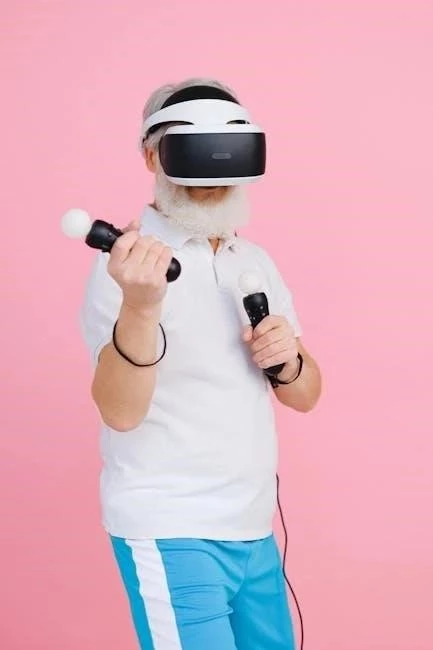
Watching a loved one struggle with limited mobility in a bustling city like New York can be heartbreaking for family members. When the four walls of an apartment become the entire world, the risk of profound loneliness increases significantly. We recognize that maintaining a connection to the beauty of the world is essential for a senior’s emotional well-being. Modern technology now offers a way to bring the sights and sounds of the globe directly to those who can no longer travel physically.
Clinical Quick Answer
VR travel for housebound seniors NYC provides a powerful therapeutic tool to mitigate the severe psychological impacts of long-term confinement by providing immersive cognitive stimulation. These virtual experiences allow individuals to bypass physical limitations, fostering a sense of autonomy and curiosity that directly counters Mental Health Isolation. By engaging multiple senses, virtual reality can improve mood, reduce symptoms of depression, and offer a renewed sense of purpose for those restricted to their homes.
Understanding the Impact of Mental Health Isolation on Seniors
Mental Health Isolation is a silent crisis among the aging population in New York City. In a metropolis that never sleeps, the contrast between the vibrant streets and the silence of a housebound senior’s room can exacerbate feelings of abandonment. This isolation is not merely a social inconvenience; it is a clinical concern that affects physical health outcomes, including cardiovascular health and cognitive decline. When a senior loses the ability to navigate their community, their “life space” shrinks, often leading to a state of chronic stress and “learned helplessness.”
- Increased risk of clinical depression and generalized anxiety disorders.
- Accelerated cognitive decline due to a lack of environmental novelty.
- Physiological stress responses that weaken the immune system.
- Higher rates of hospital readmission among seniors who lack social and environmental engagement.
- Feelings of worthlessness or being a “burden” to the family.
The Science Behind VR Travel for Housebound Seniors NYC
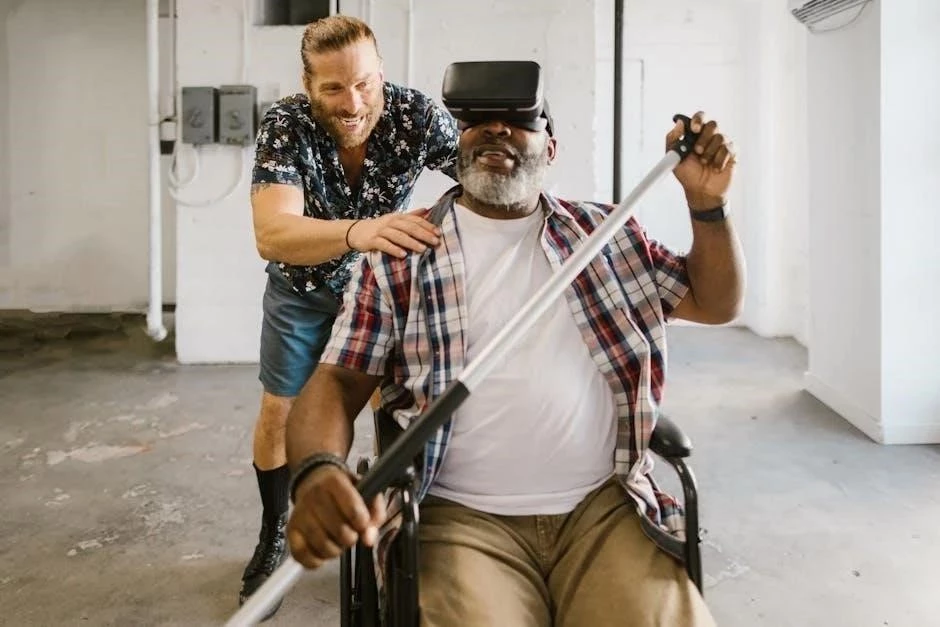
The concept of VR travel for housebound seniors NYC is grounded in the principle of environmental enrichment. In clinical settings, providing a person with new, complex, and interesting environments is known to stimulate the brain’s plasticity. For a senior who cannot leave their NYC apartment, a VR headset acts as a portal. It uses high-definition, 360-degree imagery and spatial audio to convince the brain that it is elsewhere—be it a beach in Fiji, a museum in Paris, or a familiar childhood street in Brooklyn. This immersion triggers the release of dopamine and serotonin, neurotransmitters essential for mood regulation.
- Visual and auditory synchronization that mimics real-world presence.
- The “Overview Effect,” often experienced by astronauts, which creates a sense of awe and perspective.
- Activation of the hippocampus through “spatial navigation” within the virtual world.
- Reduction of “cabin fever” through perceived environmental variety.
- Customizable experiences that cater to the specific physical capabilities of the user.
Physical and Neurological Benefits of Immersive Technology
Beyond the psychological lift, virtual reality offers tangible neurological benefits. For housebound seniors, the lack of movement often leads to sensory deprivation. VR provides “sensory snacks” that keep the brain’s processing units active. Studies have shown that seniors who participate in regular virtual exploration show improved memory retention and attention spans. Furthermore, the use of VR can act as a distraction from chronic pain, a common issue for housebound individuals in NYC. By focusing on a beautiful, moving landscape, the brain’s perception of pain signals is effectively dampened.
- Improvement in short-term memory through interactive virtual tasks.
- Management of chronic pain through immersive “distraction therapy.”
- Lowered blood pressure and heart rate during relaxing nature simulations.
- Enhanced neuroplasticity by learning to use new technological interfaces.
- Stimulation of the vestibular system, which can help with balance awareness.
Social Connectivity through Virtual Shared Experiences
One of the most innovative aspects of VR travel for housebound seniors NYC is the ability to share the journey. Technology now allows multiple users to enter the same virtual space simultaneously. A grandchild in Manhattan can “walk” through a virtual park with their grandmother who is housebound in Queens. This shared experience creates new memories and provides fresh topics for conversation, breaking the repetitive cycle of “how are you feeling today?” It transforms the caregiving relationship from one of purely physical maintenance to one of shared adventure.
- Virtual reality “group tours” that allow housebound seniors to interact with peers.
- Multi-user platforms that connect family members across different geographic locations.
- Reduced social anxiety through controlled, safe virtual environments.
- A sense of inclusion in family events via 360-degree live-streaming.
- Opportunities for “Reminiscence Therapy” where seniors visit digitally recreated versions of historical NYC.
Overcoming Cognitive Barriers with Tailored VR Content
While technology can be intimidating, modern VR travel for housebound seniors NYC is designed with accessibility in mind. Developers are creating “senior-first” interfaces that eliminate the need for complex controllers. Many systems now use simple head movements or eye-tracking to navigate. For those dealing with early-stage dementia or cognitive impairment, virtual reality can provide a calming, repetitive environment that reduces agitation and “sundowning” symptoms. By selecting content that is familiar and soothing, caregivers can use VR as a tool for emotional stabilization.
- Simplified user interfaces that reduce the “learning curve” for the elderly.
- Content specifically curated for seniors with low-vision or hearing loss.
- Virtual “Zen Gardens” and meditation spaces for anxiety management.
- Guided tours led by soft-spoken virtual guides to prevent sensory overload.
- Safety settings that prevent motion sickness through fixed-perspective viewing.
Integrating Virtual Travel into Home Care and Medicaid Plans
In the context of NYC’s complex healthcare landscape, integrating VR into a daily care plan is becoming more feasible. While Medicaid may not always directly cover the cost of a headset as a “medical device,” many home care agencies and social programs in New York are beginning to offer VR as part of their therapeutic recreation services. Families should look into Managed Long Term Care (MLTC) benefits that might include “social day care” or “wellness programs” where VR technology is utilized. Investing in a home-based VR system can often be more cost-effective than the long-term mental health costs associated with untreated isolation.
- Working with NYC-based home health aides to facilitate VR sessions.
- Incorporating “Virtual Excursions” into the patient’s weekly activity log.
- Exploring non-profit organizations in NYC that provide tech grants for seniors.
- Consulting with occupational therapists about using VR for upper-body movement.
- Using VR as a bridge to physical therapy by encouraging visual tracking and head movement.
Nurse Insight: In my experience working with elderly patients across the five boroughs, the biggest hurdle isn’t the technology—it is the initial hesitation; I once worked with a gentleman in Brooklyn who hadn’t “left” his room in three years due to severe arthritis. When we finally put a VR headset on him and “took” him to the Amalfi Coast, he started weeping with joy. It wasn’t just the view; it was the realization that his world wasn’t actually ending at his front door. My advice is to start small—just five minutes of a calm nature scene—to let them get used to the sensation. It can truly be a lifeline for those trapped by their own bodies.
Frequently Asked Questions
Can VR travel really help with senior depression in NYC?
Is virtual reality safe for seniors with balance issues?
What is the best type of VR headset for an elderly user?
Does NYC Medicaid pay for virtual reality equipment?
How often should a housebound senior use VR travel?
Contact ProLife Home Care NYC for a free clinical assessment:(718) 232 – 2777