Caring for a family member with a complex medication schedule can feel like a full-time job, especially within the fast-paced environment of New York City. We understand the deep anxiety that comes with worrying about missed doses or potential drug interactions during the day. Transitioning to advanced patch-based therapies offers a way to simplify daily routines and ensure your loved one receives consistent, life-sustaining care. Your family deserves the peace of mind that comes from knowing healthcare technology is working silently and effectively in the background.
Clinical Quick Answer
The landscape of transdermal therapy is shifting toward highly automated systems, with Smart medication patches 2026 expected to become a standard of care for chronic disease management. These devices utilize micro-needle arrays and electronic sensors to deliver precise dosages directly through the skin, bypassing the digestive system for better bioavailability. Integrating these tools into a comprehensive Medication Management strategy significantly reduces human error and improves long-term health outcomes for home-bound patients.
Understanding the Mechanics of Modern Transdermal Delivery
Transdermal medication delivery has come a long way from the basic nicotine patches of the past. At its core, this technology relies on a diffusion gradient, where a high concentration of medication in the patch moves through the various layers of the skin—the stratum corneum, epidermis, and dermis—into the bloodstream. This method is particularly effective for drugs that are poorly absorbed by the stomach or are heavily metabolized by the liver before reaching the rest of the body.
- Steady State Concentration: Unlike oral pills that cause “peaks and valleys” in blood levels, patches provide a controlled, continuous release of medication.
- Improved Bioavailability: By avoiding the “first-pass effect” of the liver, lower doses can often achieve the same therapeutic effect as higher oral doses.
- Reduced Side Effects: Gastrointestinal issues, a common complaint with oral medications, are largely bypassed through skin-based delivery.
- Ease of Use: For patients with dysphagia (difficulty swallowing), patches offer a critical alternative to traditional tablets or capsules.
- Long-Duration Therapy: Some modern patches are designed to stay active for three to seven days, reducing the frequency of administration.
The Evolution Toward Smart Medication Patches 2026
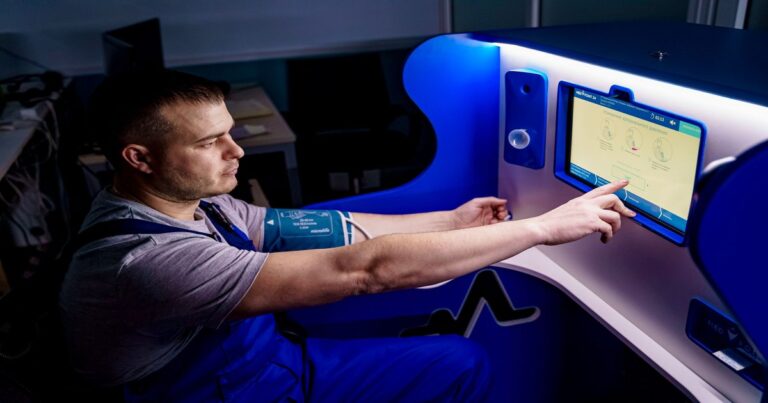
As we look toward the year 2026, the convergence of biotechnology and digital health is creating “smart” patches. These are not merely passive reservoirs of medicine; they are active electronic devices capable of monitoring the patient’s physiological state and adjusting delivery accordingly. This level of sophistication is essential for NYC’s aging population, where multi-morbidity is common.
- Micro-needle Arrays: These patches use microscopic needles that penetrate only the top layer of skin, allowing for the delivery of larger molecules like insulin or vaccines without pain.
- Integrated Sensors: Future patches will be able to measure glucose levels, heart rate, or sweat electrolytes in real-time, triggering a dose only when the body needs it.
- Connectivity and IoT: By 2026, smart patches will likely sync with smartphone apps, alerting caregivers in Brooklyn or Manhattan if a patch has been removed or if the reservoir is low.
- Dose Customization: Pharmacists will be able to program digital patches with specific release profiles tailored to a patient’s unique metabolic rate.
- Environmental Resilience: Advanced adhesives are being developed to withstand the humidity of NYC summers and the frequent showering required in urban living.
Enhancing Medication Management in the Home Setting
Effective Medication Management is the cornerstone of preventing hospital readmissions, particularly for Medicaid recipients in New York. The complexity of managing 10 or more medications daily can lead to “pill fatigue,” where patients simply stop complying with their regimens. Transdermal technology simplifies this process by consolidating multiple doses into a single, visible application.
- Visual Verification: Caregivers and home health aides can instantly see if the medication is being “taken” just by checking the patient’s arm or back.
- Elimination of Dosing Errors: Because the patch controls the release rate, there is no risk of a patient accidentally taking a double dose due to forgetfulness.
- Improved Sleep: For medications required during the night, a time-release patch eliminates the need to wake the patient for a midnight dose.
- Support for Cognitive Impairment: For New Yorkers living with dementia or Alzheimer’s, a patch is much less distressing and easier to manage than forced oral intake.
- Data Logging: Digital components in smart patches create an automatic log of administration times, which can be reviewed by NYC-based physicians during telehealth visits.
Therapeutic Applications for NYC’s Diverse Patient Population
The versatility of time-release tech allows it to address a wide range of conditions prevalent in the urban environment. From the high stress of professional life to the chronic conditions of the elderly, patches are being adapted for various clinical needs. In NYC, where access to specialized clinics can sometimes be hindered by transportation issues, long-acting patches provide a bridge to consistent care.
- Chronic Pain: Fentanyl and buprenorphine patches are already widely used to provide 72-hour relief for cancer pain and severe chronic back pain.
- Neurological Disorders: Parkinson’s patients benefit from rotigotine patches, which provide the steady dopamine stimulation required to control tremors throughout the day.
- Hormone Replacement: Estrogen and testosterone patches remain the gold standard for maintaining stable hormonal levels without the risks associated with oral delivery.
- Cardiovascular Health: Nitroglycerin patches help prevent angina attacks by ensuring the heart receives a constant supply of oxygen-enhancing medication.
- Mental Health: Selegiline patches for depression offer a way to maintain therapeutic levels while reducing the dietary restrictions often associated with MAOIs.
Overcoming Barriers: Adhesion, Irritation, and Access
While the benefits are clear, the transition to patch-based medication involves overcoming specific practical hurdles. It is not enough to simply apply a patch; the skin must be prepared, and the site must be monitored for irritation. In the context of New York home care, education for both the patient and the provider is key to success.
- Skin Site Rotation: To prevent localized irritation, it is vital to rotate the application site (e.g., from the upper arm to the lower back) with every new patch.
- Managing Adhesion: Skin must be clean, dry, and free of oils or lotions. NYC’s humid climate can sometimes cause patches to peel, requiring medical-grade overlays.
- Allergic Reactions: Some patients may react to the adhesive rather than the drug itself. Identifying hypoallergenic options is a priority for 2026 manufacturers.
- Disposal Safety: Used patches still contain significant amounts of medication. Proper disposal—folding the patch onto itself and placing it in a secure bin—is a critical safety step for households with children or pets.
- Insurance Coverage: Navigating Medicaid and Medicare Part D for advanced “smart” tech requires meticulous documentation of medical necessity by NYC specialists.
The Socio-Economic Impact of Smart Tech on NYC Healthcare
The widespread adoption of smart medication patches 2026 will have a profound impact on the New York healthcare economy. By reducing the incidence of adverse drug events and improving adherence, these technologies can lower the overall cost of care for the state’s most vulnerable populations. This is particularly relevant for the CDPAP program, where family caregivers can be empowered by simpler, safer tools.
- Reduction in ER Visits: Many emergency room visits in NYC are the result of medication mismanagement; patches directly mitigate this risk.
- Empowering Family Caregivers: When the burden of scheduling doses is removed, caregivers can focus on the emotional and social needs of their loved ones.
- Streamlined Telehealth: The data generated by smart patches allows doctors to make informed decisions without requiring the patient to travel to a Manhattan office.
- Public Health Monitoring: Aggregated, anonymized data from smart devices can help NYC health officials identify trends in treatment efficacy across different boroughs.
- Sustainability: The next generation of patches is looking toward biodegradable materials to reduce the environmental footprint of medical waste in the city.
Nurse Insight: In my experience working with Medicaid recipients across the five boroughs, the greatest challenge isn’t the lack of medicine, but the inconsistency of its administration. I often see patients who are overwhelmed by their “pill organizers,” leading to missed doses that cause unnecessary hospitalizations. Switching to a transdermal system, especially with the upcoming smart medication patches 2026, acts like a safety net. It takes the guesswork out of the equation for both the patient and the family caregiver. If you are struggling with a complex schedule, I always recommend asking your doctor if a patch-based alternative is available—it can be a total game-changer for your quality of life.
Frequently Asked Questions
How do smart medication patches differ from traditional ones?
Are these patches covered by NY Medicaid or CDPAP?
What should I do if the patch causes skin irritation?
Can I shower or swim while wearing a time-release patch?
How do I dispose of used medication patches safely?
Contact ProLife Home Care NYC for a free clinical assessment:(718) 232 – 2777