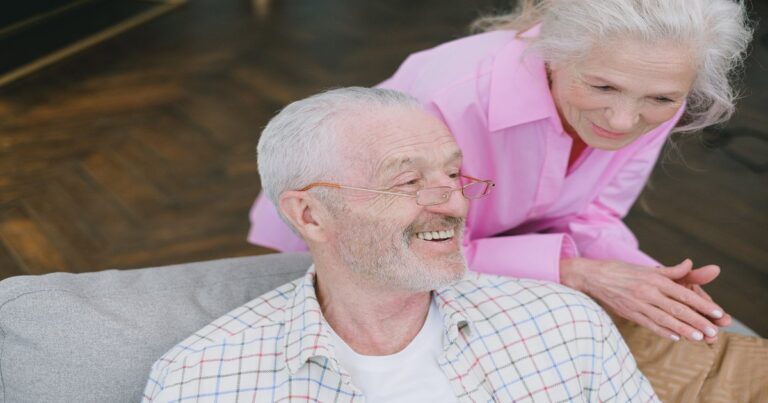
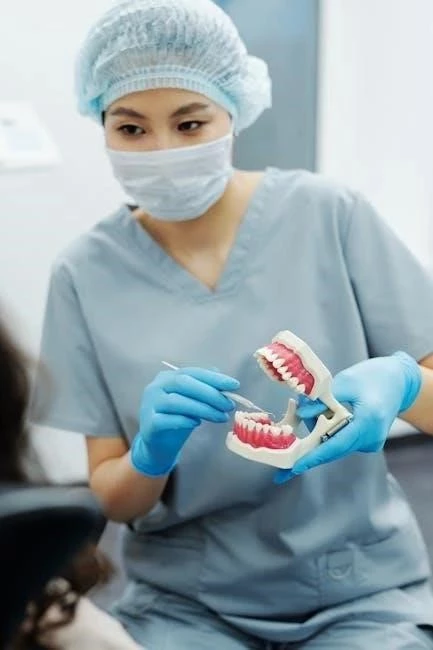
Caring for an aging loved one in New York City often involves navigating complex mobility challenges that make routine dental visits nearly impossible. For families managing the care of homebound seniors, oral hygiene often falls behind more pressing medical concerns despite its critical impact on overall health. Tele-dentistry now offers a compassionate bridge, allowing professional dental evaluations to take place directly in the comfort of a senior’s living room. This innovative approach reduces the stress of transportation while ensuring that vital oral health screenings remain a priority for NYC’s most vulnerable residents.
Clinical Quick Answer
Virtual dental consultations utilize high-resolution video and digital imaging to provide diagnostic assessments and triage for patients with limited mobility. By integrating Tele-dentistry for homebound NYC seniors into standard care plans, clinicians can identify infections, manage pain, and coordinate urgent mobile dental interventions without the need for traumatic medical transport. This digital evolution ensures that oral health is monitored continuously, preventing systemic complications like aspiration pneumonia or cardiovascular inflammation.
The Critical Role of Oral Health in Geriatric Care
For homebound seniors in NYC, oral health is not merely about a bright smile; it is a fundamental component of systemic medical stability. When dental hygiene is neglected, it can lead to a cascade of complications that affect the heart, lungs, and nutritional status. Clinical studies have consistently shown that periodontal disease is a significant risk factor for systemic conditions that frequently affect the elderly population.
- Aspiration Pneumonia Prevention: Poor oral hygiene leads to the buildup of pathogenic bacteria in the mouth. For seniors with dysphagia (swallowing difficulties), these bacteria can be inhaled into the lungs, leading to life-threatening pneumonia.
- Cardiovascular Health: Chronic inflammation in the gums is linked to increased risks of endocarditis and the exacerbation of coronary artery disease, making regular dental screenings essential for heart patients.
- Nutritional Maintenance: Dental pain or ill-fitting dentures lead to dietary restrictions. Seniors may stop eating fibrous fruits, vegetables, and proteins, leading to malnutrition, weight loss, and weakened immune systems.
- Diabetes Management: There is a bidirectional relationship between gum disease and diabetes; uncontrolled oral infections can cause blood sugar levels to spike, while high blood sugar makes it harder for the body to fight infections in the mouth.
- Cognitive Impact: Chronic dental pain can lead to increased agitation and behavioral changes in seniors with dementia or Alzheimer’s disease, who may not be able to articulate the source of their discomfort. Nursing Assessment NYC
Integrating Dental Care into the Nursing Assessment NYC
In the New York home care landscape, the Registered Nurse (RN) often serves as the first line of defense. A comprehensive Nursing Assessment NYC must include a detailed intraoral screening to identify issues before they become emergencies. Nurses performing these assessments look for specific indicators that suggest a tele-dentistry consultation is warranted.
- Mucosal Integrity: Checking for sores, ulcers, or white patches (thrush) that could indicate infection or systemic disease.
- Denture Fit and Condition: Assessing whether dentures are causing pressure sores or if the patient has stopped wearing them due to discomfort.
- Gingival Health: Identifying signs of gingivitis or periodontitis, such as bleeding, receding gums, or significant plaque buildup.
- Mastication Observation: Watching the patient eat or drink during the assessment to identify signs of wincing, favoring one side of the mouth, or difficulty chewing.
- Xerostomia (Dry Mouth): Many seniors take multiple medications (polypharmacy) that reduce saliva flow, significantly increasing the risk of rapid tooth decay and oral discomfort.
How Tele-dentistry Works for Homebound New Yorkers
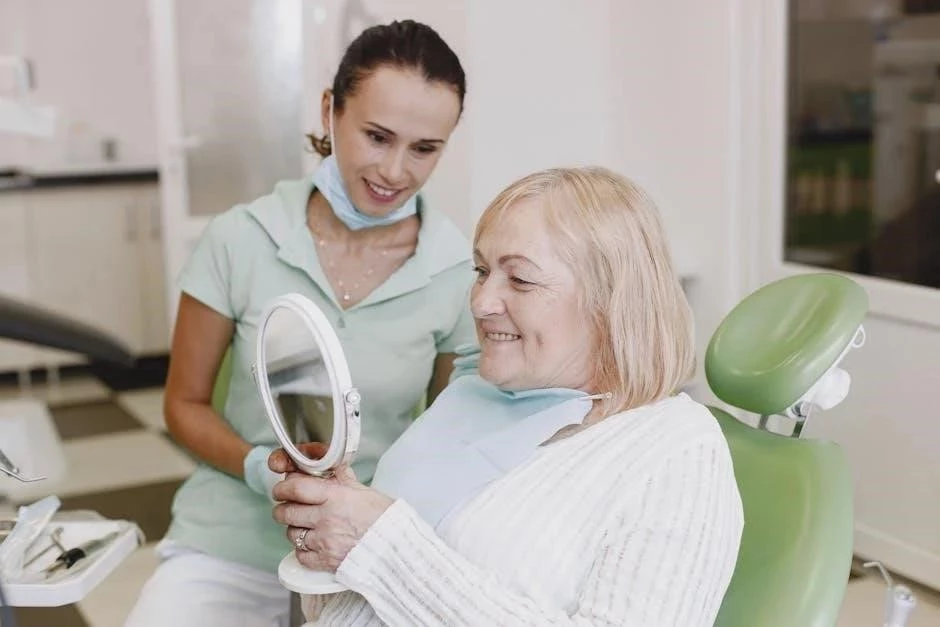
Tele-dentistry for homebound NYC seniors bridges the geographical and physical gap between the patient’s bedside and the dental clinic. The process is designed to be user-friendly for both the senior and their caregiver, often involving a collaborative effort between the home care nurse and the remote dentist.
- Virtual Triage: The dentist can visually inspect the area of concern via a high-definition camera, determining if the issue is a “watch and wait” situation or an emergency.
- Prescription Coordination: If an infection or abscess is identified, the dentist can electronically send prescriptions for antibiotics or therapeutic mouthwashes to local NYC pharmacies.
- Specialist Referrals: If the virtual consult suggests a need for a specialist (like an oral surgeon), the tele-dentist can facilitate the referral and share digital notes immediately.
- Caregiver Education: During the video call, dentists can demonstrate specific brushing or flossing techniques tailored to the patient’s physical limitations, empowering the family caregiver.
- Follow-up Monitoring: Virtual visits allow for frequent, low-stress check-ins to monitor how an ulcer is healing or how a patient is adjusting to new dental appliances.
Overcoming Challenges: Technology and Accessibility
While the benefits are clear, implementing tele-dentistry in a home setting requires specific considerations, especially regarding the digital divide among NYC’s elderly population. Successful implementation hinges on support from family and healthcare providers.
- Device Compatibility: Consults can be performed using smartphones, tablets, or laptops equipped with cameras and microphones.
- Internet Connectivity: Access to reliable Wi-Fi or high-speed cellular data is necessary for clear video transmission, which can be a hurdle in certain NYC housing environments.
- Assisted Imaging: Caregivers or visiting nurses often assist by holding the device or using a small dental mirror to help the dentist see hard-to-reach areas of the mouth.
- Language Access: Many NYC tele-dentistry platforms offer translation services or bilingual providers to accommodate the city’s diverse linguistic demographics.
- Privacy and Security: All virtual consultations must be conducted over HIPAA-compliant platforms to ensure the senior’s medical information remains confidential.
Navigating Insurance and Medicaid for Virtual Dental Care
Understanding the financial landscape is crucial for NYC families. New York State Medicaid and various Managed Long Term Care (MLTC) plans have expanded their coverage of telehealth services, including dental consultations, to improve outcomes for homebound residents.
- Medicaid Coverage: NY Medicaid typically covers tele-dentistry when it is used for diagnostic and triage purposes, though specific codes must be billed by the provider.
- MLTC Involvement: Managed Long Term Care plans often coordinate these services as part of the “Social Determinants of Health” strategy, recognizing that preventing dental emergencies saves money on ER visits.
- The CDPAP Connection: For families using the Consumer Directed Personal Assistance Program (CDPAP), the personal assistant can be trained to assist with the setup of tele-dentistry appointments.
- Dual Eligibility: Seniors who are “dual eligible” for both Medicare and Medicaid may have additional dental benefits through their Medicare Advantage or SNP (Special Needs Plan).
- Mobile Dental Unit Coordination: When a virtual consult identifies a physical need (like an extraction), the dentist can coordinate with a mobile dental van that travels to the home to perform the procedure bedside.
The Future of Geriatric Oral Health in NYC
The landscape of healthcare in New York City is shifting toward a “home-first” model. Tele-dentistry is not just a temporary solution but a permanent fixture in the geriatric care continuum, promising a more proactive approach to aging in place.
- Early Detection of Oral Cancers: Regular virtual screenings increase the likelihood of catching suspicious lesions early, which is vital for the elderly who are at higher risk.
- Reduced Transfer Trauma: For seniors with advanced dementia, being moved to a dental office can cause severe psychological distress; tele-dentistry eliminates this trigger.
- Data Integration: Future systems will allow dental records to be seamlessly integrated with the electronic health records used by a patient’s primary care physician and home care agency.
- Scaling Mobile Services: As tele-dentistry triages the “low-complexity” cases, mobile dental units can focus their resources on the seniors who truly require hands-on, bedside clinical intervention.
- Policy Advocacy: NYC-based advocacy groups continue to push for broader reimbursement models to ensure that every homebound senior has access to a virtual dental home.
Nurse Insight: In my experience, the mouth is often the most overlooked part of the body during a routine home visit. I once worked with a patient who was refusing to eat and was being evaluated for a feeding tube. During our Nursing Assessment NYC, we discovered a jagged broken molar that was causing significant pain. We set up a tele-dentistry session immediately, and within 48 hours, a mobile unit arrived to smooth the tooth. The patient started eating again that evening. Never underestimate how a simple dental check can change a senior’s entire quality of life.
Frequently Asked Questions
What exactly is tele-dentistry for homebound NYC seniors?
How do I prepare my loved one for a virtual dental visit?
Is this service covered by New York Medicaid?
Can a tele-dentist prescribe antibiotics or pain medicine?
What happens if the dentist finds a problem that requires physical work?
Contact ProLife Home Care NYC for a free clinical assessment:(718) 232 – 2777