Caring for an aging parent with heart concerns often brings a constant sense of worry for New York families. Smart clothing for senior heart health offers a compassionate solution by providing continuous cardiac monitoring without the discomfort of traditional medical wires. These innovative garments allow your loved one to maintain their independence at home while staying connected to life-saving data. Embracing this technology means choosing peace of mind, knowing that every heartbeat is being watched over by the latest in textile science.
Clinical Quick Answer
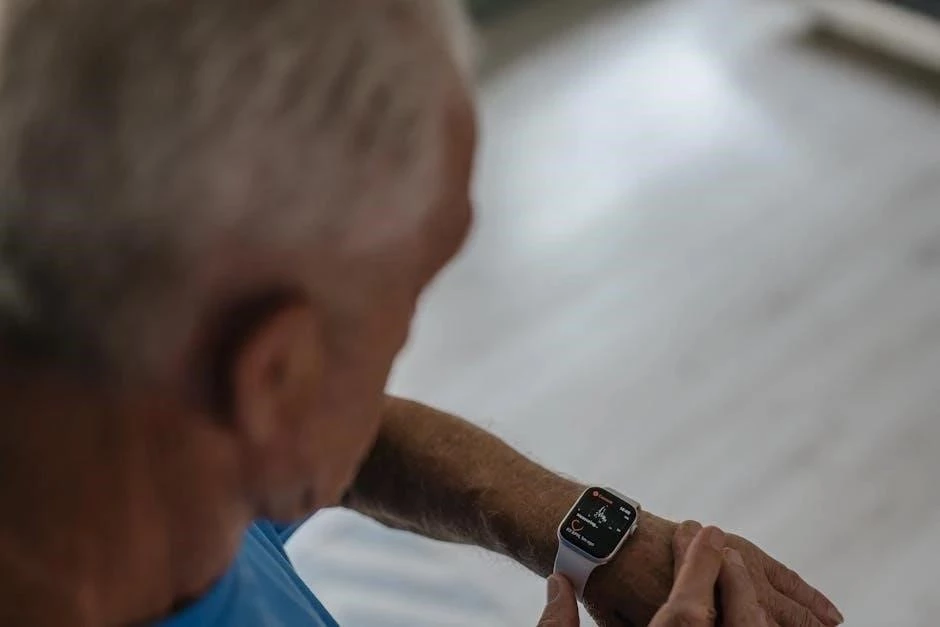
Smart clothing for senior heart health utilizes textile-integrated electrodes to capture medical-grade EKG data and respiratory rates during normal daily activities. This technology facilitates consistent Remote Health Monitoring, allowing clinicians to detect asymptomatic arrhythmias like atrial fibrillation before they escalate into strokes or heart failure. By integrating these wearables into NYC home care, patients benefit from 24/7 cardiac surveillance that is far less intrusive than standard Holter monitors.
The Evolution of Smart Clothing for Senior Heart Health
The landscape of geriatric cardiology is shifting from reactive hospital visits to proactive home-based management. Traditional heart monitoring often required seniors to wear bulky devices with adhesive patches that caused skin irritation or required frequent office visits to download data. Modern smart clothing for senior heart health addresses these barriers by embedding sensors directly into the fibers of everyday shirts and vests. These garments are designed to be soft, breathable, and easy for those with limited dexterity to put on. From a clinical perspective, the consistency of data collection is the primary advantage; because the shirt is comfortable, patient compliance is significantly higher than with traditional monitors.
- Conductive Fabrics: Use of silver or carbon-infused threads that act as electrodes to pick up bio-electrical signals from the skin.
- Washable Electronics: The garment itself is machine-washable, with a small, detachable “brain” or transmitter that handles data processing.
- Biometric Accuracy: Capability to track Heart Rate Variability (HRV), resting heart rate, and even posture, which is vital for detecting falls.
- Dermatological Safety: Absence of adhesives reduces the risk of “medical adhesive-related skin injury” (MARSI), a common issue in the elderly population.
- User-Centric Design: Compression-fit styles ensure sensors stay in contact with the body even during movement or sleep.
Remote Health Monitoring: A Lifeline for NYC Seniors
In a bustling metropolis like New York City, accessing specialized cardiac care can be physically demanding for seniors living in high-rise apartments or areas with limited transportation. Remote Health Monitoring acts as a digital bridge between a senior’s living room and their cardiologist’s office. When a senior wears an EKG shirt, the data is typically transmitted via Bluetooth to a smartphone app and then securely uploaded to a cloud-based clinical dashboard. This allows for “passive” monitoring, where the senior doesn’t need to take any action to “send” their vitals; the technology handles it automatically. This is particularly crucial for NYC residents enrolled in home care programs where visiting nurses can review real-time data trends before they even arrive for a scheduled visit.
- Early Detection: Identifying transient arrhythmias that may not occur during a standard 10-second office EKG.
- Reduced Hospitalizations: By catching fluid buildup or heart rate spikes early, doctors can adjust medications remotely, preventing an ER trip.
- Crisis Management: Many systems include SOS triggers if the garment detects a sudden cardiac event or a cessation of movement.
- Integration with Telehealth: NYC doctors can use the shirt’s historical data to make more informed decisions during virtual consultations.
- Family Transparency: Many monitoring platforms allow family caregivers to receive notifications if a “red flag” event is detected, reducing the stress of long-distance caregiving.
Clinical Benefits of Continuous EKG Tracking in Home Care
The clinical value of smart clothing for senior heart health lies in its ability to provide a longitudinal view of a patient’s cardiac status. In the context of NYC home care, where patients often manage multiple chronic conditions, having a clear picture of heart health is essential. Continuous monitoring captures the heart’s reaction to daily stressors, medication timing, and sleep patterns. For patients recovering from surgery at home, these shirts provide a level of security that was previously only available in a step-down hospital unit. The data collected can show the progression of heart failure or the effectiveness of beta-blockers, allowing for highly personalized treatment plans.
- AFib Surveillance: Atrial fibrillation is a leading cause of stroke; wearable shirts provide the long-term monitoring needed to catch it.
- Heart Rate Variability (HRV): Tracking HRV helps clinicians understand the patient’s autonomic nervous system stress and overall recovery capacity.
- Respiratory Rate Monitoring: Changes in breathing patterns often precede heart failure exacerbations, providing an early warning sign for medical intervention.
- Sleep Quality Insights: Identifying sleep apnea or nocturnal arrhythmias which are often missed in daytime clinical exams.
- Medication Titration: Providing objective data to see if new dosages are stabilizing the heart rate as intended.
Navigating NYC Medicaid and Insurance for Cardiac Wearables
For many families in New York, the cost and accessibility of advanced Remote Health Monitoring technology depend on insurance coverage, particularly Medicaid. New York State has been a leader in expanding telehealth and remote patient monitoring (RPM) reimbursements. While the physical garment might sometimes be an out-of-pocket cost, the monitoring service itself is increasingly covered under specific CPT codes (99453, 99454). NYC home care agencies, particularly those operating under the CDPAP (Consumer Directed Personal Assistance Program), are beginning to see the value of these tools in reducing caregiver burnout and improving patient outcomes. Families should consult with their Managed Long-Term Care (MLTC) plan to see if “Remote Patient Monitoring” is a covered benefit that can include wearable cardiac tech.
- CPT Code Eligibility: Understanding how doctors bill for time spent reviewing remote data.
- MLTC Coordination: Working with NYC Medicaid planners to include smart garments as part of a “safe at home” technology package.
- Grant Programs: Some NYC-based non-profits and hospitals offer pilot programs that provide these shirts for free to high-risk cardiac patients.
- Preventative Value: Highlighting how the cost of a shirt is far lower than a single day of inpatient hospital care.
- Documentation: Ensuring the primary care physician (PCP) documents the “medical necessity” of continuous monitoring for insurance approval.
The Impact on Caregiver Burden and Patient Dignity
One of the most overlooked aspects of smart clothing for senior heart health is the emotional relief it provides to family caregivers. In NYC, many adult children are part of the “sandwich generation,” balancing work, kids, and aging parents. Constantly asking a parent “how do you feel?” can lead to tension. Wearable technology allows for “silent caregiving.” If the data on the dashboard is green, the caregiver knows their parent is stable. Furthermore, for the senior, wearing a shirt is much more dignified than being hooked up to machines. It preserves their self-image as an active, independent individual rather than a “patient.”
- Reduced Inquiry Fatigue: Families don’t have to constantly nag the senior about their health status. Remote Health Monitoring
- Improved Quality of Life: Seniors can go for walks in Central Park or visit friends knowing they are being monitored.
- Empowerment through Data: Seniors who are tech-savvy enjoy seeing their own health trends on a tablet or phone.
- Safety Net for Solo Seniors: Essential for the thousands of NYC seniors who live alone in rent-stabilized apartments.
- Non-Intrusive Design: The absence of “medical-looking” equipment reduces the psychological weight of illness.
Implementation: Getting Started with Cardiac Smart Clothing
Transitioning to a Remote Health Monitoring system requires a small amount of setup but offers long-term rewards. First, the senior’s cardiologist must be involved to ensure they are willing to receive and interpret the data. Second, the home environment needs reliable internet or a cellular connection for the data transmitter. In NYC, many senior centers now offer “tech help” sessions where staff can assist with setting up the necessary smartphone apps. Once the garment is fitted and the baseline data is established, the system becomes a seamless part of the daily routine—simply putting on a shirt in the morning ensures another day of cardiac safety.
- Consulting the Specialist: Ensuring the EKG shirt is the right tool for the specific cardiac condition (e.g., AFib vs. Valve issues).
- Fitting and Sizing: Proper sizing is critical to ensure the textile electrodes remain in contact with the skin.
- Connectivity Check: Ensuring the senior’s home has adequate Wi-Fi or that the provided hub has a strong cellular signal.
- Education for Aides: Training home health aides on how to properly charge the transmitter and wash the garment.
- Baseline Establishing: Allowing the system to “learn” the senior’s normal heart patterns over the first 48 hours.
Nurse Insight: In my experience working with NYC Medicaid patients, the biggest hurdle isn’t the technology—it’s the habit. I always tell families to treat the EKG shirt just like any other piece of clothing. Don’t call it a “monitor”; call it their “lucky Tuesday shirt.” When we integrate smart clothing for senior heart health into a daily routine, the senior feels less like a patient and more like a participant in their own wellness. I’ve seen cases where these shirts caught “silent” heart rate spikes during a walk to the bodega that would have otherwise gone unnoticed until a major event occurred. This proactive approach is a game-changer for home-bound seniors.
Frequently Asked Questions
Is smart clothing for seniors actually medical-grade?
Can the shirt be washed like regular laundry?
How does the doctor receive the heart data from the home?
Does NYC Medicaid cover the cost of these EKG shirts?
What if my senior parent is not tech-savvy at all?
Contact ProLife Home Care NYC for a free clinical assessment:(718) 232 – 2777