
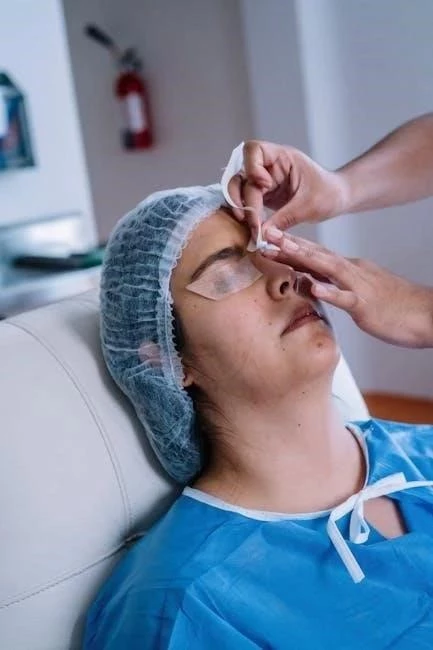
Bringing your loved one home after heart surgery is a milestone that requires both celebration and a dedicated clinical strategy to ensure their safety. Professional Post-cardiac surgery home care Manhattan provides the specialized oversight needed to navigate the complexities of the recovery phase within the comfort of a familiar environment. We understand that families often feel overwhelmed by the technical demands of recovery, which is why our focus remains on providing compassionate, expert-led guidance every step of the way. By integrating advanced Cardiac Health Monitoring, we bridge the gap between the hospital and the home, fostering a secure path toward long-term wellness.
Clinical Quick Answer
Successful recovery following heart surgery depends on rigorous medication adherence, surgical site vigilance, and the implementation of daily Post-cardiac surgery home care Manhattan protocols. Expert nursing intervention ensures that Cardiac Health Monitoring is performed consistently to detect early signs of complications such as arrhythmias or fluid retention. This proactive clinical approach significantly reduces the risk of hospital readmission and empowers patients to regain their functional independence safely.
The Importance of Professional Post-Cardiac Surgery Home Care Manhattan
The transition from a highly controlled hospital environment to a Manhattan residence after cardiac surgery is one of the most critical phases in a patient’s recovery journey. During the initial weeks, the patient’s body is in a state of metabolic stress, healing from significant incisions and the effects of cardiopulmonary bypass. Professional nursing support is not just a convenience; it is a clinical necessity that ensures all aspects of the discharge plan are executed with precision.
- Transition Management: Nurses facilitate a seamless handoff from the surgical team, ensuring all discharge orders are understood and implemented immediately upon arrival at home.
- Environment Optimization: Assessing the Manhattan home for safety risks, such as trip hazards or accessibility issues, is vital for patients who may have limited mobility or balance issues post-surgery.
- Symptom Recognition: Skilled nurses can distinguish between normal post-operative discomfort and the early warning signs of serious complications, such as a pulmonary embolism or pleural effusion.
- Stress Reduction for Caregivers: Families often experience burnout and anxiety; having a professional on-site alleviates the burden of clinical decision-making.
- Coordination of Care: Nurses act as the primary liaison between the patient, the Manhattan cardiologist, and the surgical team, ensuring all parties are informed of the recovery progress.
Advanced Cardiac Health Monitoring Protocols at Home
To prevent secondary cardiac events, a structured regimen of Cardiac Health Monitoring is essential. This involves the systematic tracking of physiological data to identify trends that may indicate a decline in cardiac function or the development of an infection. In the high-stakes environment of NYC cardiac recovery, precision is paramount.
- Vital Sign Assessment: Daily monitoring of blood pressure, heart rate, and respiratory rate helps in adjusting medications and identifying early signs of hemodynamic instability.
- Oxygen Saturation Tracking: Monitoring pulse oximetry is crucial for detecting respiratory compromise or the onset of congestive heart failure.
- Weight Management and Edema Tracking: Patients are weighed daily at the same time; a sudden gain (e.g., 2-3 pounds in 24 hours) can indicate fluid retention, a hallmark of heart failure.
- Electrocardiogram (ECG) Oversight: In some cases, mobile cardiac telemetry is used to monitor for atrial fibrillation, a common arrhythmia following heart valve or bypass surgery.
- Blood Glucose Regulation: For diabetic patients, strict glycemic control is necessary to prevent delayed wound healing and increase the success of the cardiac repair.
Comprehensive Medication Management and Safety
Post-cardiac surgery home care Manhattan involves managing a complex pharmacological regimen. Patients are often prescribed a combination of anticoagulants, antiplatelets, beta-blockers, ACE inhibitors, and diuretics. Mismanagement of these drugs can lead to life-threatening complications, including stroke or internal bleeding.
- Medication Reconciliation: Nurses perform a thorough review of all pre-surgery and post-surgery medications to eliminate duplicates and prevent dangerous drug-drug interactions.
- Anticoagulation Therapy Oversight: For patients on blood thinners like Warfarin, regular INR testing and dosage adjustments are vital to prevent clotting while avoiding excessive bleeding.
- Side Effect Monitoring: Recognizing signs of adverse reactions, such as dizziness from beta-blockers or cough from ACE inhibitors, allows for timely adjustments by the prescribing physician.
- Pain Management Strategies: Effective pain control is essential for recovery, as it allows the patient to breathe deeply and move more freely, preventing pneumonia and deep vein thrombosis.
- Education on Adherence: Teaching patients the “why” behind each medication increases long-term compliance and health literacy.
Surgical Site Integrity and Wound Care
The surgical incision, whether a sternotomy or a minimally invasive port, is a potential gateway for infection. Maintaining the integrity of the wound is a cornerstone of Post-cardiac surgery home care Manhattan. Clinical nursing protocols focus on meticulous hygiene and early detection of localized or systemic infections.
- Incision Assessment: Daily inspection for redness, warmth, swelling, or drainage (exudate) is mandatory to prevent mediastinitis, a serious infection of the chest cavity.
- Sternal Precautions: Educating the patient on how to move without putting stress on the healing breastbone, such as “hugging a pillow” when coughing or sneezing.
- Sterile Dressing Changes: Following strict aseptic techniques when cleaning the wound and applying fresh dressings as ordered by the surgeon.
- Shower Protocols: Guiding the patient on how to bathe safely without submerging the incision or using harsh soaps that could irritate the healing tissue.
- Suture and Staple Care: Monitoring the removal site once sutures or staples are taken out to ensure the skin edges remain well-approximated.
Rehabilitation and Gradual Physical Activity
Physical activity is a double-edged sword during cardiac recovery. Too little activity increases the risk of blood clots and muscle atrophy, while too much can strain the heart and the surgical site. Professional Cardiac Health Monitoring ensures that activity levels are titrated to the patient’s individual tolerance and surgical guidelines.
- Walking Programs: Nurses assist patients in establishing a daily walking routine, starting with short distances inside the Manhattan apartment and gradually increasing as stamina improves.
- Breathing Exercises: Using an incentive spirometer and performing deep breathing exercises are critical for keeping the lungs clear and preventing post-operative atelectasis.
- Energy Conservation Techniques: Teaching patients how to perform activities of daily living (ADLs) in a way that minimizes cardiac workload.
- Nutrition and Hydration: Implementing a heart-healthy diet low in sodium and saturated fats, which is essential for managing blood pressure and reducing fluid load.
- Rest and Sleep Optimization: Ensuring the patient gets adequate rest is vital for tissue repair and emotional stability during the recovery process.
Psychological Support and Long-term Wellness Planning
Heart surgery is a major life event that can lead to “post-pericardiotomy syndrome” or significant emotional distress, including depression and anxiety. Post-cardiac surgery home care Manhattan addresses the psychological well-being of the patient, which is often as important as their physical healing.
- Screening for Depression: Nurses monitor for signs of withdrawal, loss of interest, or persistent sadness, which are common after major cardiac procedures.
- Cognitive Monitoring: Observing for signs of “pump head” (post-operative cognitive decline), which can affect memory and focus in the weeks following surgery.
- Family Counseling: Providing resources and support to family members who are adapting to the patient’s new health status and lifestyle changes.
- Lifestyle Modification Coaching: Working with the patient to develop a long-term plan for smoking cessation, stress management, and heart-healthy living.
- Support Group Referrals: Connecting patients with local NYC support networks to share experiences and find community with other cardiac survivors.
Nurse Insight: In my experience, one of the most overlooked challenges for Manhattan patients is the logistical stress of city living after surgery. Whether it is navigating a small apartment with medical equipment or managing grocery deliveries while on strict lifting restrictions, the environment plays a huge role in recovery. I always advise families to set up a “recovery station” on one level of the home to minimize stair use and to ensure that all Cardiac Health Monitoring tools are within arm’s reach. This simple preparation reduces fatigue and allows the patient to focus entirely on their healing process without unnecessary physical strain.
Frequently Asked Questions
What are the primary benefits of home care over a rehab facility after heart surgery?
How often should Cardiac Health Monitoring be performed at home?
What red flags should I look for during the first week at home?
Are sternal precautions necessary for all heart surgery patients?

Can home nursing help with the transition to a heart-healthy diet?
Contact ProLife Home Care NYC for a free clinical assessment:(718) 232 – 2777