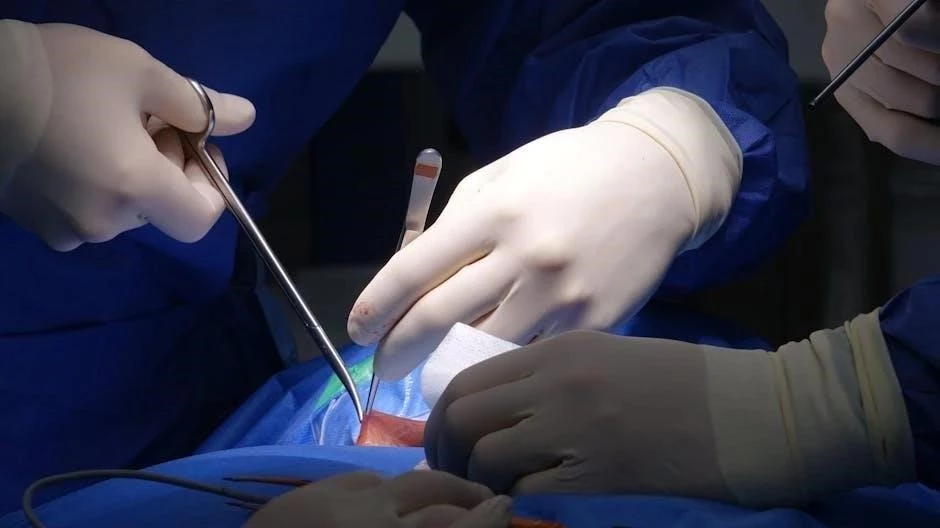
Bringing a loved one home to a New York City apartment after spinal surgery requires meticulous preparation and a compassionate heart. The transition from the clinical safety of a hospital to the tight corners and busy environment of an urban home can be daunting for any family. Our goal is to provide the clinical oversight and emotional reassurance necessary to ensure the spine remains protected during the most critical weeks of healing. With professional guidance, you can transform your living space into a high-standard recovery zone that fosters independence and prevents complications.
Clinical Quick Answer
Professional oversight for spinal recovery involves rigorous adherence to movement restrictions, complex medication schedules, and sterile wound management. Utilizing specialized Home care for spine surgery recovery ensures that patients avoid dangerous twisting or bending movements that could jeopardize surgical hardware or fusion. This expert Nurse Support bridges the gap between hospital discharge and full mobility, providing real-time assessments that prevent costly re-hospitalizations.
The Critical Role of Skilled Nurse Support in Spine Recovery
The first few weeks following a laminectomy, discectomy, or spinal fusion are the most precarious. Skilled nursing care provides more than just companionship; it offers a clinical safety net that monitors for life-threatening complications like deep vein thrombosis (DVT) or pulmonary embolisms. In the context of home care for spine surgery recovery, a nurse is trained to identify subtle changes in neurological status, such as new onset weakness or changes in sensation in the lower extremities, which may indicate a need for immediate surgical follow-up.
- Conducting daily neurological assessments to ensure nerve function is improving.
- Coordinating with the surgical team in Manhattan or surrounding boroughs to report progress.
- Educating family members on the “BLT” restrictions: No Bending, No Lifting, No Twisting.
- Managing the complex titration of pain medications to avoid the cycle of breakthrough pain.
- Monitoring for signs of post-operative depression or cognitive decline due to anesthesia.
- Evaluating the patient’s nutritional intake to support bone fusion and tissue repair.
Navigating NYC Apartment Logistics for Spinal Safety
New York City living presents unique challenges for spinal patients, from narrow hallways in pre-war buildings to the lack of elevators in walk-ups. A nurse-led home assessment is vital for modifying the environment to prevent falls. When implementing home care for spine surgery recovery, the goal is to create a “recovery radius” where everything the patient needs is within reach without requiring them to bend or strain. This often involves reconfiguring furniture and installing temporary safety aids.
- Removing area rugs and clutter from high-traffic paths in small Manhattan apartments.
- Setting up a firm chair with armrests, as soft sofas are difficult to exit without twisting the spine.
- Installing elevated toilet seats and shower chairs to maintain a 90-degree hip angle.
- Ensuring lighting is adequate, especially for night-time bathroom trips.
- Organizing a “recovery station” with a phone, medications, and water at waist height.
- Assessing the safety of stairs and determining if a temporary first-floor setup is necessary.
Clinical Medication Management and Pain Protocols
Pain management is a cornerstone of recovery, yet it is often the most complex aspect for families to manage alone. Nurse Support is essential for balancing opioid use with non-narcotic alternatives to prevent addiction and side effects like severe constipation, which can lead to straining—a major risk for spinal incisions. Nurses also monitor for adverse drug interactions and ensure that medications for pre-existing conditions, like hypertension or diabetes, are resumed safely post-surgery.
- Implementing a strict medication log to prevent accidental doubling of doses.
- Educating the family on the difference between surgical pain and nerve “awakening” sensations.
- Administering and monitoring bowel protocols to prevent straining during elimination.
- Observing for signs of opioid-induced respiratory depression or excessive sedation.
- Managing anticoagulant therapy (blood thinners) to prevent clots while monitoring for excessive bleeding.
- Assisting with the transition to over-the-counter anti-inflammatories as directed by the surgeon.

Wound Care and Infection Prevention Strategies
The surgical site on the back is often in a location the patient cannot see, making professional monitoring a necessity. Home care for spine surgery recovery includes daily inspections of the incision for redness, swelling, or drainage. In the dense environment of NYC, where humidity or household pets might increase infection risks, maintaining a sterile or clean field for dressing changes is paramount. A nurse ensures that the wound remains dry and that the patient follows specific showering protocols dictated by their surgeon.
- Performing sterile dressing changes using hospital-grade techniques.
- Monitoring the incision site for “halo” signs or purulent discharge indicative of infection.
- Ensuring the patient does not soak in tubs or pools until cleared by the specialist.
- Educating caregivers on hand hygiene and the proper disposal of medical waste.
- Recognizing the early signs of a cerebrospinal fluid (CSF) leak, such as a positional headache.
- Maintaining skin integrity around the incision to prevent pressure sores during limited mobility.
Safe Mobility and the Log-Roll Technique
Mobility is the “medicine” of spinal recovery, but it must be performed with absolute precision. Nurses provide the physical assistance and verbal cues necessary to help patients move safely. The “log-roll” technique is the gold standard for getting in and out of bed, ensuring the hips and shoulders move as one unit to avoid any torque on the spine. Nurse Support provides the confidence patients need to begin walking, which is essential for preventing pneumonia and maintaining muscle tone during the healing process.
- Assisting with daily walking routines to improve circulation and bone health.
- Teaching and supervising the log-roll technique for every bed transition.
- Ensuring the patient wears prescribed braces or orthotics correctly and consistently.
- Monitoring gait and balance to prevent falls that could dislodge spinal hardware.
- Guiding the patient through gentle, surgeon-approved range-of-motion exercises.
- Using gait belts during early ambulation to provide physical stability and safety.
Psychological Support and Caregiver Relief
The road to recovery after spine surgery is often long and can be emotionally draining for both the patient and their family. The loss of independence, combined with chronic pain and the constraints of a small NYC living space, can lead to frustration and anxiety. Nurse Support offers a professional presence that alleviates the “caregiver burden,” allowing family members to focus on emotional support rather than clinical tasks. Professional caregivers also provide the encouragement needed when progress feels slow.
- Providing emotional counseling and setting realistic recovery expectations.
- Giving family members the “permission” to rest, knowing a professional is on duty.
- Identifying signs of “post-hospital syndrome,” including sleep disturbances and confusion.
- Facilitating communication between the patient, family, and the medical team.
- Encouraging social interaction and mental stimulation to prevent the isolation of recovery.
- Assisting with CDPAP paperwork or other NYC-based resources for long-term support.
Nurse Insight: In my experience, the biggest hurdle for NYC spinal patients isn’t the surgery itself—it’s the furniture. I once worked with a patient in a beautiful Upper West Side apartment who insisted on sleeping in his low, soft designer bed. He ended up back in the ER because he twisted his back just trying to get up. I always tell my families: if you can’t sit in it without your knees being higher than your hips, it’s off-limits. Invest in a high-quality firm chair or a hospital bed rental for the first three weeks; it makes the difference between a successful fusion and a failed one.
Frequently Asked Questions
How soon can I start walking after spine surgery in a small apartment?
Can a nurse help with the CDPAP application for spine recovery?
What are the warning signs that I should call my nurse or doctor immediately?
How do I manage stairs in a NYC walk-up after back surgery?
Why is Nurse Support better than just having a family member help?
Contact ProLife Home Care NYC for a free clinical assessment:(718) 232 – 2777