Navigating the aftermath of a stroke is an emotional journey that requires immense patience and specialized care. Opting for post-stroke rehabilitation home Brooklyn services allows your loved one to heal in the comfort and familiarity of their own environment. Our goal is to provide Brooklyn families with the clinical knowledge and compassionate support needed to bridge the gap between hospital discharge and long-term independence. By focusing on personalized recovery plans, we ensure that every survivor has the best possible chance to regain their strength and dignity.
Clinical Quick Answer
Effective recovery begins with a coordinated multidisciplinary approach that integrates physical, occupational, and speech therapy within the patient’s daily living environment. Research shows that In-Home Stroke Recovery programs significantly improve functional outcomes by reducing the stress of travel and allowing for real-world practice of essential life skills. Success in the home setting is largely dependent on rigorous adherence to medical protocols, environmental safety modifications, and consistent caregiver support.
Understanding the Phases of Neuroplasticity and Recovery
The journey of post-stroke rehabilitation home Brooklyn protocols is grounded in the science of neuroplasticity—the brain’s remarkable ability to reorganize itself by forming new neural connections. This process is most intense in the first three to six months following the cardiovascular event, making this “golden window” critical for intensive therapy. However, recovery is a lifelong process, and meaningful gains can still be achieved years later through consistent stimulation and exercise.
- The Acute Phase: This begins immediately in the hospital, focusing on medical stabilization and preventing secondary complications like pneumonia or deep vein thrombosis.
- The Sub-Acute Phase: Once discharged to home in Brooklyn, the focus shifts to intensive rehabilitation. This is when the brain is most receptive to “rewiring” through repetitive tasks.
- Chronic Management: After the initial six months, therapy continues at a steady pace to maintain gains and prevent regression. This phase often involves adapting to permanent changes while maximizing independence.
- Repetitive Task Practice: In-home settings allow survivors to perform the same task—like reaching for a cup in their own kitchen—hundreds of times, which is essential for motor learning.
- Spontaneous Recovery: In the early days, some functions may return as brain swelling decreases; therapists work to capitalize on this natural healing.
Essential Home Modifications for Brooklyn Dwellings
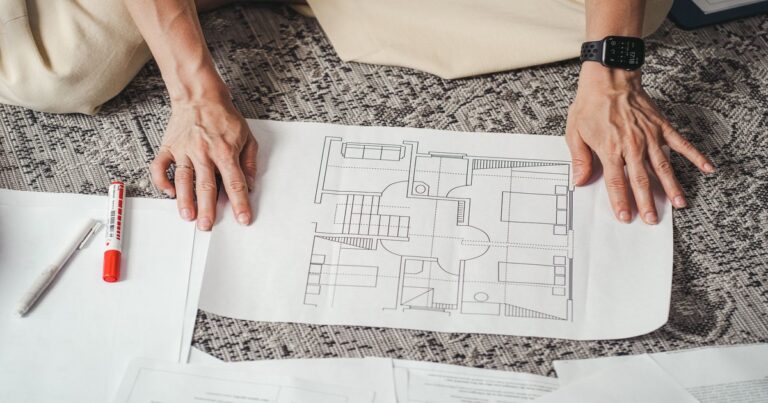
Brooklyn’s unique architecture, from historic brownstones to modern high-rises, presents specific challenges for stroke survivors. A crucial step in post-stroke rehabilitation home Brooklyn planning involves a comprehensive home safety assessment to prevent falls and facilitate mobility. Narrow hallways, steep stairs, and high-threshold doorways must be addressed to create a “stroke-ready” living space.
- Fall Prevention: Remove all area rugs and clutter from walkways. Use non-slip mats in the bathroom and kitchen areas where spills are common.
- Lighting Enhancements: Install motion-sensor lights in hallways and bathrooms to ensure the survivor can see clearly during nighttime movements, reducing the risk of disorientation.
- Bathroom Safety: Install high-quality grab bars (bolted into studs, not suction cups) near the toilet and inside the shower. A walk-in shower with a sturdy bench is often safer than a traditional tub.
- Stair Management: If the survivor lives in a multi-level Brooklyn home, consider installing a second handrail or a motorized stairlift if mobility is severely compromised.
- Adaptive Equipment: Utilize reachers, long-handled shoehorns, and adaptive utensils to help the survivor perform activities of daily living (ADLs) with minimal assistance.
- Entryway Access: Evaluate the front stoop; temporary ramps may be necessary for wheelchair access or to assist those with significant gait instability.
Clinical Goals for Physical and Occupational Therapy
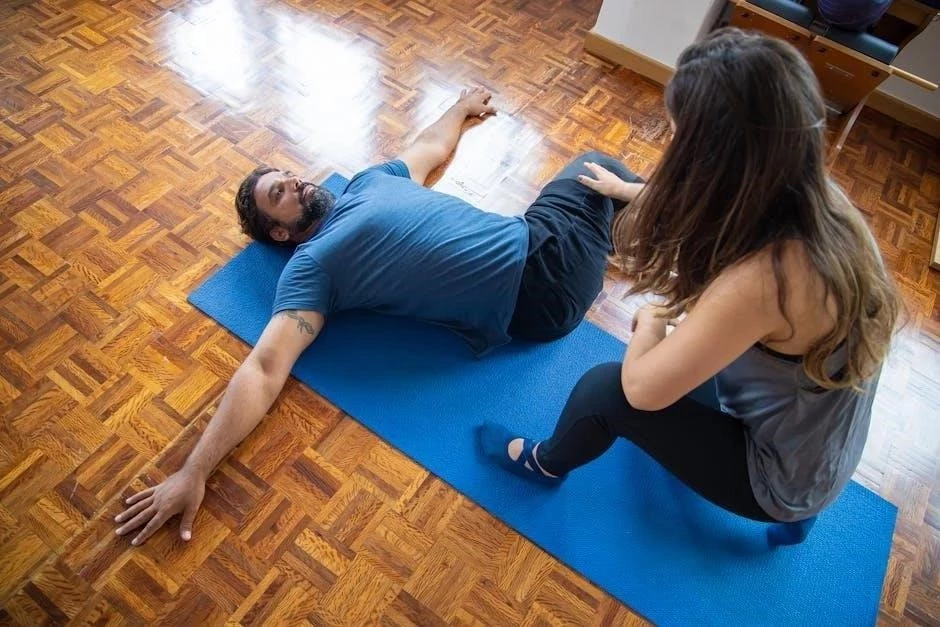
The core of any In-Home Stroke Recovery plan is the integration of Physical Therapy (PT) and Occupational Therapy (OT). These disciplines work in tandem to restore movement and functional independence. In the home setting, therapists can use the patient’s actual furniture and layout to tailor exercises that have immediate real-world applications.
- Gait Training: PTs work on improving walking patterns, balance, and weight-shifting to ensure the survivor can move safely through their home.
- Upper Extremity Rehabilitation: OTs focus on regaining use of the affected arm and hand, often employing “Constraint-Induced Movement Therapy” (CIMT) to force the brain to use the weaker limb.
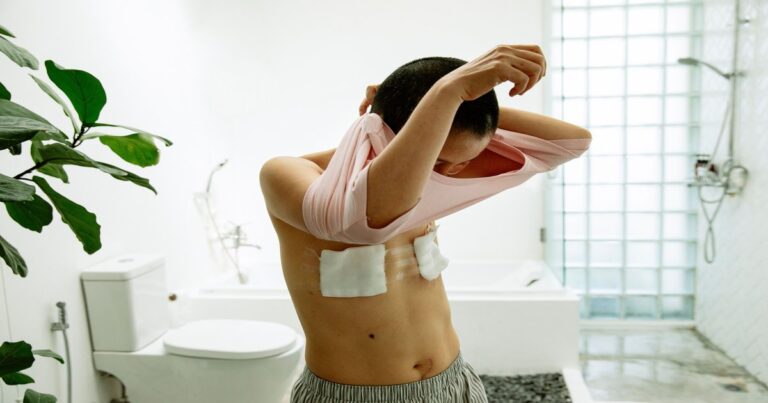
- Activities of Daily Living (ADLs): Therapy sessions often revolve around practicing dressing, grooming, and bathing using one-handed techniques or adaptive tools.
- Core Strengthening: Developing trunk stability is vital for sitting upright, standing, and preventing falls during transfers from bed to chair.
- Range of Motion (ROM) Exercises: Both active and passive ROM exercises are performed to prevent muscle contractures and joint stiffness in the paretic (paralyzed) side.
- Constraint Training: Encouraging the use of the affected side even when it is difficult, which helps combat “learned non-use” and promotes cortical reorganization.
Addressing Cognitive, Speech, and Emotional Health
A stroke doesn’t just affect the body; it profoundly impacts communication, memory, and emotional regulation. Post-stroke rehabilitation home Brooklyn services must include Speech-Language Pathology (SLP) and psychological support. Brooklyn families often find that the emotional toll—including post-stroke depression—is one of the hardest aspects to manage without professional guidance.
- Aphasia Management: SLPs work with survivors who have difficulty speaking or understanding language, using visual aids and repetitive vocal exercises.
- Cognitive Retraining: Exercises designed to improve attention, memory, and executive function (problem-solving) are integrated into the daily routine.
- Dysphagia Screening: Many survivors struggle with swallowing. Therapists assess the need for thickened liquids or specific food textures to prevent aspiration pneumonia.
- Mood Monitoring: Up to 50% of stroke survivors experience clinical depression. Caregivers should watch for signs of withdrawal, irritability, or loss of interest in therapy.
- Social Engagement: Encouraging visits from friends and family members in Brooklyn helps prevent the isolation that often accompanies disability.
- Neuropsychological Support: Professional counseling can help both the survivor and the family cope with the “grief” of losing their former lifestyle.
Nutritional Guidelines and Medication Adherence
Secondary stroke prevention is a cornerstone of In-Home Stroke Recovery. This involves strict management of blood pressure, cholesterol, and blood sugar levels through diet and medication. In Brooklyn, where access to diverse foods is plentiful, families can focus on heart-healthy options that support brain health and provide the energy needed for intensive rehabilitation.
- The DASH Diet: Emphasizing fruits, vegetables, lean proteins, and low-fat dairy while significantly reducing sodium intake to control hypertension.
- Hydration Protocols: Ensuring adequate fluid intake is essential, especially for survivors on certain medications or those with swallowing difficulties.
- Medication Management Systems: Use pill organizers and automated reminders to ensure that anti-platelet or anti-coagulant medications are taken exactly as prescribed.
- Blood Pressure Monitoring: Keeping a daily log of blood pressure readings at home allows the medical team to make precise adjustments to treatment plans.
- Diabetes Control: For survivors with diabetes, maintaining stable blood glucose is vital to prevent further vascular damage to the brain.
- Weight Management: Achieving a healthy weight reduces the strain on joints and the cardiovascular system, making physical therapy more effective.
Navigating New York’s CDPAP and Medicaid Resources
The financial and logistical burden of long-term care can be overwhelming for Brooklyn families. Fortunately, New York offers specific programs designed to support post-stroke rehabilitation home Brooklyn initiatives. Understanding the Consumer Directed Personal Assistance Program (CDPAP) is essential for families who wish to have a relative or friend provide paid care at home.
- Eligibility for CDPAP: To qualify, the stroke survivor must be Medicaid-eligible and require assistance with daily activities or skilled nursing tasks.
- Choosing a Caregiver: One of the biggest benefits of CDPAP is that the survivor can choose their own caregiver, including adult children or friends, who are then paid through Medicaid.
- The Role of the Fiscal Intermediary: These organizations handle the payroll and administrative aspects of the CDPAP program for Brooklyn residents.
- Home Care Assessment: A nurse from the New York Independent Assessor (NYIA) will evaluate the patient to determine the number of care hours needed.
- Coordinating Care: CDPAP caregivers can assist with PT exercises, medication reminders, and transportation to medical appointments in NYC.
- Legal and Financial Planning: Families are encouraged to consult with Medicaid planners in Brooklyn to ensure assets are protected while securing necessary care services.
Nurse Insight: In my experience working with Brooklyn families, the most successful recoveries happen when the home environment is transformed into a place of active healing rather than just “waiting.” I always tell families that every interaction is a therapy session. Whether it’s encouraging your loved one to use their affected hand to hold a napkin or taking a few extra steps to the dinner table, these small, consistent efforts compound over time. Don’t underestimate the power of the CDPAP program—having a family member who truly knows the patient’s preferences can reduce the anxiety and confusion that often hinder progress in traditional clinical settings.
Frequently Asked Questions
How soon can we start in-home rehabilitation after a stroke?
Can a family member be paid to provide care in Brooklyn?
What are the most common signs of post-stroke depression?
What equipment is essential for a safe recovery at home?
How long does the recovery process usually take?
Contact ProLife Home Care NYC for a free clinical assessment:(718) 232 – 2777