Navigating the recovery period after a major procedure can feel overwhelming for both the patient and their loved ones. We understand that ensuring the best aesthetic results while maintaining safety is your primary concern during this sensitive time. Our guide focuses on providing the specialized support needed to manage the delicate healing process with confidence and peace of mind. By prioritizing clinical excellence and attentive care, your family can focus on the journey toward a healthy and beautiful transformation.
Clinical Quick Answer
Effective recovery following aesthetic procedures requires a structured and sterile approach to prevent complications such as infection or excessive scarring. Utilizing professional Wound Care Management ensures that incisions are monitored for proper closure, moisture balance, and early signs of adverse reactions. In a high-standard clinical environment like New York, following strict post-operative protocols is essential for achieving the intended surgical outcome and ensuring long-term patient health.
The Foundations of Wound Care After Plastic Surgery NYC
The success of any plastic surgery procedure is only 50% dependent on the operating room; the remaining 50% lies in the quality of post-operative care. In a bustling environment like New York City, patients must be particularly vigilant about maintaining a sterile environment to avoid urban contaminants. Professional clinical care focuses on the physiological stages of healing: inflammation, proliferation, and remodeling.
- Sterile Dressing Changes: Professional caregivers ensure that every dressing change is performed using aseptic techniques, significantly reducing the risk of introducing bacteria into fresh incisions.
- Incision Site Assessment: Constant monitoring allows for the early detection of seromas (fluid buildup) or hematomas (blood collection), which are common risks after procedures like abdominoplasty or breast augmentation.
- Temperature Regulation: Maintaining a stable body temperature and localized warmth at the wound site can improve blood flow, which is critical for tissue oxygenation and cellular repair.
- Suture Integrity: Clinicians check for “spitting sutures” or areas where the tension on the skin might be causing the wound edges to separate, a condition known as dehiscence.
- Moisture Balance: A wound that is too dry will fail to heal efficiently, while one that is too wet can lead to macerated skin; professional management finds the “sweet spot” for optimal cellular migration.
Advanced Clinical Wound Care Management Strategies
Modern medicine has evolved beyond simple bandages and antiseptic. Clinical wound care management now involves high-tech materials and biological principles to accelerate recovery and minimize the appearance of scars. This is particularly important for NYC patients who expect the highest level of aesthetic precision from their surgical investments.
- Hydrocolloid and Silicone Dressings: These specialized coverings create a protective barrier that mimics the skin’s natural function, keeping the area hydrated while preventing external pathogens from entering.
- Negative Pressure Wound Therapy (NPWT): In complex cases or larger reconstructions, a vacuum-assisted closure device may be used to pull excess fluid away and stimulate the growth of new healthy tissue.
- Antibiotic Stewardship: Nurses and clinicians monitor the need for topical or systemic antibiotics, ensuring they are used appropriately to prevent resistance while effectively treating any localized infections.
- Compression Therapy: Post-surgical garments are not just for comfort; they provide the necessary pressure to reduce swelling and ensure that the skin adheres properly to the underlying tissues.
- Debridement Protocols: If any necrotic (dead) tissue appears, a professional can safely remove it to prevent it from becoming a breeding ground for bacteria, ensuring only healthy tissue remains.
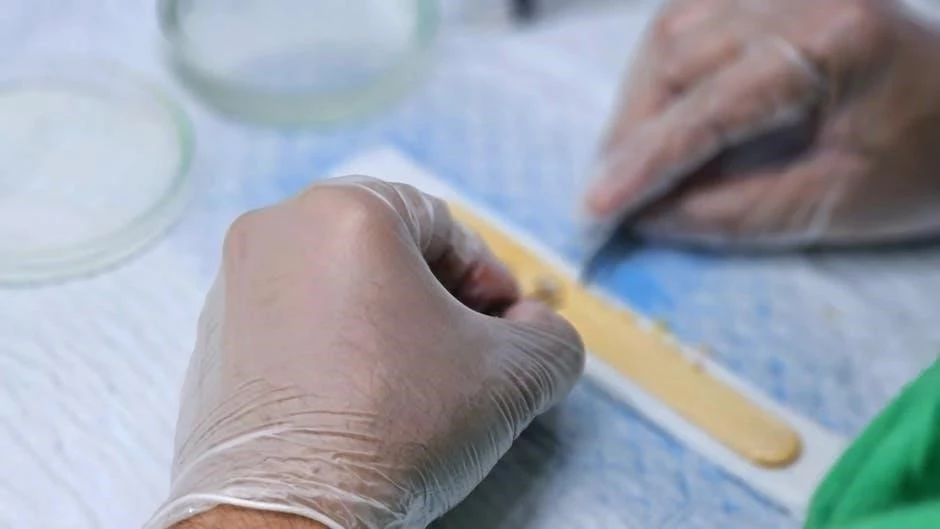
Identifying and Managing Post-Surgical Complications
Even with the best surgeons, complications can occur. The difference between a minor setback and a surgical failure often lies in how quickly these issues are identified. Families must be educated on what to look for, but having a professional eye on the patient is the gold standard for safety.
- Signs of Infection: While some redness is normal, “erythema” (spreading redness), localized heat, and purulent discharge (pus) are clear indicators that medical intervention is required.
- Systemic Symptoms: A fever over 101 degrees Fahrenheit, chills, or sudden fatigue can indicate that a localized infection has become systemic, requiring immediate clinical attention.
- Hematoma Detection: Sudden, painful swelling and bruising that feels firm to the touch can indicate internal bleeding, which may require the surgeon to drain the area to prevent skin necrosis.
- Allergic Reactions: Some patients develop sensitivities to surgical tapes, ointments, or the materials used in sutures, resulting in itchy, blistered skin that needs alternative treatment.
- DVT and Embolism Prevention: After long surgeries, the risk of blood clots is high; clinical care involves monitoring for calf pain or shortness of breath, ensuring the patient remains mobile or uses compression pumps.
Nutritional Support and Lifestyle Optimization
Healing happens from the inside out. Clinical recovery is not just about what you put on the wound, but what you put into your body. In the high-stress environment of New York, prioritizing rest and nutrition is often the most difficult part of the recovery process for active patients.
- Protein Intake: Amino acids are the building blocks of new collagen and skin tissue. Increasing lean protein consumption is vital during the first six weeks post-surgery.
- Vitamin C and Zinc: These micronutrients play a pivotal role in collagen synthesis and immune function, helping the body knit the incision sites back together more effectively.
- Hydration Protocols: Proper fluid balance is essential for flushing out the remnants of anesthesia and reducing the systemic inflammation caused by surgery.
- Smoking Cessation: Nicotine constricts blood vessels, drastically reducing the oxygen that reaches the wound. Professional care plans strictly enforce no-smoking rules to prevent skin death.
- Restricted Movement: Clinicians help patients understand their “lifting and reaching” restrictions to ensure that internal stitches do not snap before the tissue has gained enough strength.
Professional Home Care Services in New York City
Many patients choose to recover in the comfort of their own homes rather than staying in a hospital. However, the complexity of wound care after plastic surgery in NYC often requires more than what a family member can provide. Concierge nursing and specialized home health services fill this gap.
- Medication Management: Managing a complex schedule of pain relievers, anticoagulants, and antibiotics requires precision to avoid overdosing or missing critical windows of efficacy.
- Drain Care: Many plastic surgeries involve JP (Jackson-Pratt) drains that must be emptied and measured multiple times a day; professional nurses ensure these are kept patent and infection-free.
- Lymphedema Massage: Specialized lymphatic drainage can be integrated into the care plan to help move fluid out of the surgical area, reducing swelling and discomfort significantly.
- Home Safety Assessments: A clinician can evaluate the home environment to remove tripping hazards, ensuring that the patient can move safely while their mobility is limited.
- Emotional Support: Post-operative depression is a documented phenomenon; having a professional presence provides reassurance and reduces the anxiety associated with the changing appearance of wounds.
The Long-Term Path to Scar Management and Results
The final phase of clinical management involves transitioning from wound healing to scar maturation. This process can take up to a full year, but the most critical work is done in the first few months. Professional guidance ensures that the initial “pink” scars eventually fade into thin, silver lines.
- Silicone Gel Sheets: Once the incision is fully closed, the application of medical-grade silicone helps flatten the scar and reduces the risk of hypertrophic or keloid scarring;
- Sun Protection: UV exposure can permanently darken a healing scar; clinicians advise on the best physical blockers and clothing to protect the vulnerable new skin.
- Scar Massage: Breaking up adhesions between the skin and the underlying tissue ensures that the area remains mobile and does not feel “tight” or restricted.
- Follow-up Coordination: A care manager can act as a liaison between the patient and the plastic surgeon, ensuring that all follow-up appointments are met and any concerns are communicated immediately.
- Laser and Topical Referrals: If a scar is not healing as expected, a clinical manager can coordinate with dermatologists for early intervention with laser therapies or steroid injections.
Nurse Insight: In my experience, the biggest mistake patients make is trying to peek at their incisions too early or letting curious friends and family get too close. Your surgical site is a sterile zone. In the NYC area, where we are always on the go, I tell my patients: “Treat your recovery like your job.” Consistency in wound care management is the only way to protect your investment. If you see even a tiny bit of yellow fluid or feel a “throbbing” sensation, don’t wait for your next appointment-call your clinical team immediately. It is always better to be overly cautious than to deal with a preventable infection.
Frequently Asked Questions
How soon can I shower after my surgery?
What are the absolute red flags I should watch for during recovery?
How do I know if my swelling is normal or if it is a seroma?
Can I use over-the-counter ointments like Neosporin on my incisions?
Why is my wound itching so much, and should I be worried?
Contact ProLife Home Care NYC for a free clinical assessment:(718) 232 – 2777
Contact ProLife Home Care NYC for a free clinical assessment: (718) 232-2777