

Caring for a loved one in the heart of New York City brings unique logistical challenges, especially when converting a small living space into a therapeutic environment․ Managing a hospital bed at home NYC requires a delicate balance of clinical precision and spatial creativity to ensure both patient safety and caregiver accessibility․ We understand that bringing medical equipment into your sanctuary can feel overwhelming, but with the right guidance, it becomes a pillar of recovery and dignity․ Our goal is to empower New York families with the knowledge to navigate insurance, apartment constraints, and high-quality care standards seamlessly․
Clinical Quick Answer
Effective management of a hospital bed in a New York City setting involves prioritizing floor plan clearance, ensuring proximity to grounded electrical outlets, and implementing strict pressure-redistribution protocols․ For many residents, obtaining Free Medical Equipment through Medicaid or local non-profits is a critical step in reducing the financial burden of home-based long-term care․ By coordinating with a clinical team to select the appropriate semi-electric or full-electric model, families can significantly improve patient outcomes and caregiver safety․
Spatial Logistics and Apartment Preparation in NYC
- Doorway and Hallway Clearance: Before delivery, measure the width of your apartment door and any interior hallways; standard hospital beds are typically 36 inches wide, but they may require 40 inches of clearance to maneuver around tight corners common in pre-war buildings․
- Proximity to Power Sources: Ensure the bed is placed near a dedicated, grounded three-prong outlet to power the motor and any air-loss mattresses without the use of extension cords, which pose a significant fire and tripping hazard in small NYC units․
- Flooring and Stability: Remove all area rugs and runners in the bedroom to provide a smooth, stable surface for the bed’s locking casters and to prevent caregiver slips during patient transfers․
- Lighting and Ventilation: Position the bed to allow for natural light while ensuring it is not directly under a drafty window or next to an unshielded radiator, which can affect the patient’s body temperature and the integrity of the mattress material․
- Elevator Access Coordination: If you live in a multi-story building, coordinate with your super to ensure the service elevator is available for delivery, as the heavy frame of a full-electric bed cannot easily be carried up narrow stairwells․
- Emergency Exit Clearance: Maintain a clear path of at least 3 feet around the bed to ensure that emergency medical technicians (EMTs) can reach the patient with a stretcher if an urgent hospital transfer becomes necessary․
Safety Protocols for Managing a Hospital Bed at Home NYC
- Bed Rail Entrapment Prevention: Use only manufacturer-approved side rails and ensure there are no gaps between the mattress and the rail where a patient’s head or limbs could become lodged, a critical concern for those with cognitive impairments or dementia․
- Locking Mechanism Discipline: Always engage the wheel locks once the bed is in its desired position; a bed that shifts during a patient transfer can lead to catastrophic falls for the patient and back injuries for the home health aide․
- Low-Bed Positioning at Night: When the patient is sleeping and not receiving direct care, lower the bed to its minimum height from the floor to reduce the impact of an accidental roll-out or fall․
- Cord Management: Secure all electrical cords along the baseboards or under the bed frame to prevent them from getting tangled in the bed’s moving parts or creating a hazard for family members moving through the room․
- Weight Capacity Awareness: Adhere strictly to the manufacturer’s weight limit, which includes the patient, the mattress, and any additional equipment like heavy blankets or traction devices, to prevent motor failure․
- Fire Safety in Tight Spaces: NYC fire codes are strict; ensure that the hospital bed does not block the only exit from a room and that a working smoke detector is installed directly above the care area․
Optimizing Patient Positioning for Clinical Outcomes
- Fowler’s Position for Respiratory Support: Utilize the electric controls to raise the head of the bed to a 45-60 degree angle, which helps expand the lungs and is particularly beneficial for patients with COPD or congestive heart failure․
- Edema Management through Leg Elevation: Raising the foot of the bed helps facilitate venous return and reduce swelling in the lower extremities, a common issue for bedbound seniors in New York․
- Trendelenburg Positioning for Hypotension: In specific clinical emergencies, the ability to tilt the entire bed so the feet are higher than the head can help manage a sudden drop in blood pressure until emergency services arrive․
- Side-Lying for Aspiration Prevention: For patients with swallowing difficulties or those receiving tube feedings, maintaining a slight lateral tilt can prevent choking and keep the airway clear․
- Assisting with Mobility: Use the bed’s height adjustment to bring the mattress level with the patient’s hips when they are sitting on the edge, making it significantly easier for them to stand up or transfer to a wheelchair․
- Shear Reduction: When raising the head of the bed, always raise the knees slightly first; this prevents the patient from sliding down the mattress, which causes skin shearing and contributes to the development of painful pressure ulcers․
Securing =Free Medical Equipment Through NY Programs
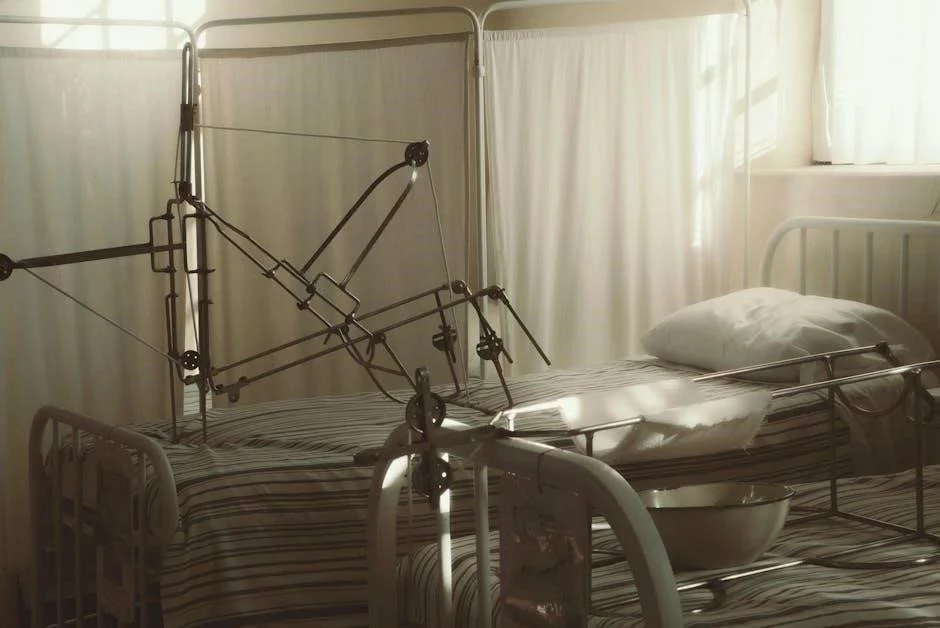
- Medicaid Durable Medical Equipment (DME) Coverage: New York Medicaid often covers 100% of the cost for a hospital bed if it is deemed medically necessary by a physician for conditions like paraplegia, severe cardiac disease, or advanced respiratory failure․
- Medicare Part B Requirements: For seniors, Medicare typically covers 80% of the “approved amount” for a bed rental, leaving the family to cover the remaining 20% unless they have a supplemental Medigap policy․
- MLTC and Managed Care Coordination: If the patient is enrolled in a Managed Long-Term Care (MLTC) plan, the care manager is responsible for sourcing the bed and ensuring it is delivered to the NYC residence without out-of-pocket costs․
- NYC Non-Profit Loan Closets: Organizations like the American Cancer Society or local community centers sometimes offer “loaner” equipment for families who do not qualify for insurance coverage but need immediate help․
- The Role of the Prescription: To obtain free or low-cost equipment, the doctor’s prescription must be highly specific, stating the diagnosis and why a standard bed is insufficient (e․g․, “requires frequent changes in body position to alleviate pain”)․
- Proper Vendor Selection: Ensure the DME vendor is familiar with NYC apartment deliveries, as some larger national companies may struggle with the logistics of parking and narrow elevator access in Manhattan or Brooklyn․
Infection Control and Bed Maintenance
- Waterproof Mattress Protectors: Always use a medical-grade, waterproof, and antimicrobial cover to prevent fluids from seeping into the mattress core, which can become a breeding ground for bacteria and odors․
- Disinfecting High-Touch Surfaces: The side rails, remote control, and bed ends should be wiped down daily with a diluted bleach solution or EPA-approved disinfectant wipes to prevent the spread of MRSA or other healthcare-associated infections․
- Linen Rotation Strategy: Change bed linens at least twice weekly, or immediately if soiled; in the humid NYC summer months, moisture-wicking sheets can help keep the patient’s skin dry and intact․
- Motor and Joint Lubrication: Listen for grinding noises or jerky movements when adjusting the bed; if the motor seems strained, contact the DME provider immediately for a maintenance check to avoid a mechanical failure while the patient is in the bed․
- Battery Backup Testing: If your bed has a battery backup feature (highly recommended for NYC’s occasional power surges or outages), test it monthly to ensure the bed can still be lowered in an emergency․
- Dust and Allergen Control: NYC apartments are prone to dust; vacuum under the bed frame weekly to prevent dust bunnies from interfering with the electrical components or aggravating the patient’s respiratory system․
Caregiver Ergonomics and Injury Prevention
- Working Height Adjustments: One of the greatest benefits of a hospital bed is the “high-low” function; always raise the bed to your waist height before performing tasks like bathing or changing the patient to protect your lower back from strain․
- Utilization of Slide Sheets: Instead of lifting the patient to reposition them, use low-friction slide sheets to glide them toward the head of the bed, reducing the force required and protecting your shoulders․
- Proper Footwear: Caregivers should wear closed-toe, non-slip shoes when working around the hospital bed to prevent foot injuries from the metal frame or accidental impacts with the heavy casters․
- Body Mechanics Education: Keep your feet shoulder-width apart and bend at the knees, not the waist, when assisting a patient with a transfer out of the bed․
- Team Lifting: If a patient is unable to assist in their movement, never attempt to move them alone; wait for a second family member or a home health aide to ensure the safety of both the patient and the caregiver․
- Emotional Well-being: Recognize that the presence of a hospital bed can change the “vibe” of a home; use decorative but safe throws or nearby family photos to maintain a sense of warmth and normalcy within the clinical environment․
Nurse Insight: In my experience working with families across the five boroughs, the biggest mistake people make is choosing a bed that is too large for the room․ While a wider bed feels more comfortable, in a tight NYC apartment, you need at least two feet of walking space on both sides of the bed․ If you don’t have that space, you will end up twisting your back while providing care․ I always tell my clients: measure twice, order once․ Also, don’t forget to advocate for a pressure-redistribution mattress right away; a standard foam mattress is often not enough to prevent bedsores for someone who spends more than 15 hours a day in bed․
Frequently Asked Questions
How do I qualify for a free hospital bed through NYC Medicaid?
Will a hospital bed fit into a small NYC elevator?
What is the difference between a semi-electric and a full-electric bed?
Can I use my own mattress on a hospital bed frame?
How can I find Free Medical Equipment if I don’t have insurance?
Contact ProLife Home Care NYC for a free clinical assessment:(718) 232 – 2777