Caring for a family member who requires respiratory support can be a complex and emotionally taxing journey, but your dedication ensures their safety and comfort every day. We understand that the technicalities of maintaining medical equipment can feel overwhelming, especially when the health of a loved one is at stake. Proper sanitation is a vital protective measure that prevents secondary infections and ensures the air they breathe is clean and restorative. Your commitment to these hygiene protocols is a testament to the high-quality care you provide in the home setting.
Clinical Quick Answer
Effective infection prevention for home respiratory therapy requires a disciplined schedule for Cleaning CPAP and BiPAP machines to eliminate pathogens like bacteria, mold, and viruses. High-standard Infection Control NYC protocols recommend daily washing of masks and water chambers with mild detergent, combined with weekly disinfection of tubing and filters. Consistent maintenance not only extends the life of the equipment but significantly reduces the risk of respiratory tract infections and hospital readmissions.
The Importance of Infection Control in NYC Home Care
In the dense and often humid environment of New York City, maintaining sterile respiratory equipment is a unique challenge. Indoor air quality can fluctuate significantly between seasons, and the high concentration of allergens and urban pollutants makes the respiratory system more vulnerable. For patients utilizing CPAP (Continuous Positive Airway Pressure) or BiPAP (Bilevel Positive Airway Pressure) therapy, the machine acts as a conduit for air directly into the lungs. If the system is colonized by bacteria or fungi, the patient is at an elevated risk for pneumonia, bronchitis, and chronic sinus infections.
- Biofilm Formation: Bacteria such as Staphylococcus and Pseudomonas can form thin, resilient films inside tubing and water reservoirs if they are not cleaned daily.
- Environmental Factors: NYC apartments often harbor higher levels of dust mites and mold spores; filtration systems must be checked more frequently than in less dense environments.
- Patient Vulnerability: Many individuals receiving home care have compromised immune systems, making standard hygiene protocols a matter of life-saving necessity.
- Cross-Contamination: Caregivers must practice hand hygiene before handling any component of the respiratory circuit to prevent transferring pathogens from high-touch surfaces.
Daily Maintenance Protocols for Masks and Reservoirs
The components that come into direct contact with the patient’s skin and the water used for humidification require the most frequent attention. Facial oils, sweat, and dead skin cells accumulate on the mask cushion, which can lead to skin irritation and compromise the seal of the device. Furthermore, standing water in the humidifier chamber is a primary breeding ground for microorganisms.
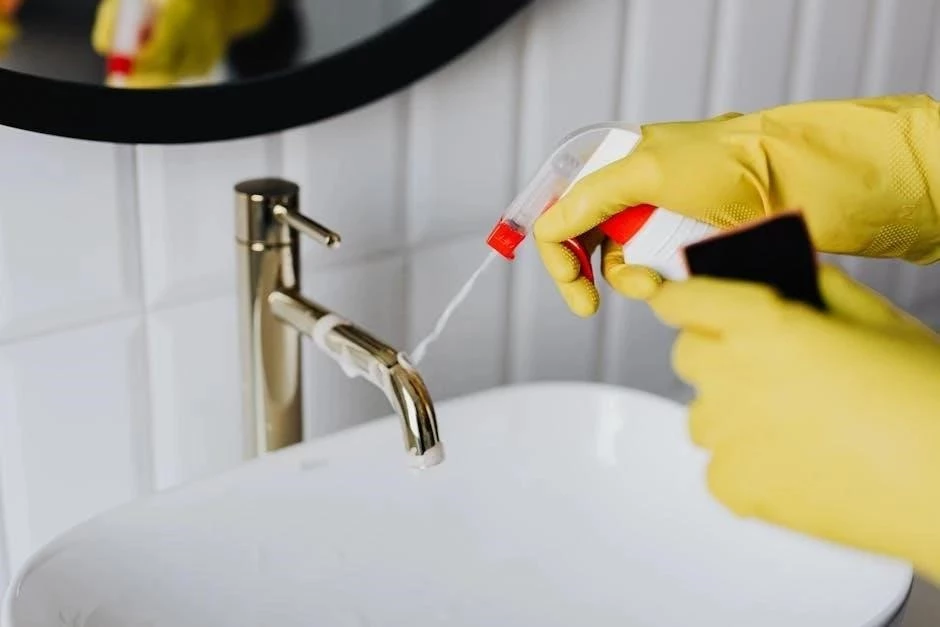
- Mask Cleaning: Wipe the mask cushion every morning with a damp cloth or a specialized CPAP wipe to remove oils. For a deeper daily clean, use warm water and fragrance-free dish soap.
- Humidifier Emptying: Never leave water in the chamber during the day. Empty the reservoir every morning to prevent stagnant water from harboring bacteria.
- Air Drying: Place all washed components on a clean towel away from direct sunlight and dust to air dry completely before the next use.
- Visual Inspection: Check for any cracks or discoloration in the silicone; damaged components can harbor bacteria in microscopic crevices.
Weekly Deep Cleaning and Disinfection Steps
Once a week, the entire respiratory circuit should undergo a thorough disinfection process. This goes beyond the surface cleaning performed daily and addresses the internal surfaces of the tubing and the hard-to-reach areas of the machine’s attachments. Utilizing a vinegar solution is a common clinical recommendation for home care as it effectively kills many common household pathogens without introducing harsh chemicals.
- Tubing Soak: Submerge the entire length of the tubing in a basin of warm, soapy water; Agitate the water to ensure the interior walls are thoroughly rinsed.
- Vinegar Rinse: To further disinfect, soak the tubing and water chamber in a solution of one part white distilled vinegar to three parts water for 20 to 30 minutes. Infection Control NYC
- Filter Maintenance: Check the disposable ultra-fine filters and replace them if they appear gray or dusty. Rinse non-disposable foam filters under running water and let them dry completely.
- Machine Exterior: Use a slightly damp cloth to wipe down the exterior of the CPAP or BiPAP unit to prevent dust from entering the air intake.
Water Quality and Humidification Safety
The type of water used in a CPAP or BiPAP machine is critical for both the patient’s health and the machine’s longevity. NYC tap water, while generally safe for drinking, contains minerals and microorganisms that can build up over time. Scale buildup not only damages the heating element in the humidifier but also provides a textured surface where bacteria can easily anchor themselves.
- Distilled Water Only: Clinical guidelines strongly recommend using distilled water. This prevents mineral deposits (scaling) and ensures the inhaled vapor is free of tap-water contaminants.
- Avoiding Additives: Never add essential oils, perfumes, or Vicks VapoRub to the humidifier chamber, as these can damage the lungs and the plastic components of the machine.
- The Risk of Tap Water: Using tap water can lead to “pink slime” (Serratia marcescens) growth, a bacterium that thrives on the minerals found in municipal water supplies.
- Temperature Control: Ensure the humidifier settings are comfortable; excessive condensation in the tube (rainout) can lead to mold growth if the tube is not dried properly.
Recognizing Signs of Equipment Contamination
Despite best efforts, equipment can occasionally become contaminated. Caregivers and patients must be vigilant in identifying early warning signs that the device requires professional servicing or immediate intensive cleaning. Ignoring these signs can lead to chronic respiratory inflammation and reduced therapy efficacy.
- Unusual Odors: If the air coming through the mask smells musty, sour, or like ozone, this indicates bacterial or mold growth within the machine or tubing.
- Physical Residue: Look for pink, black, or green spots in the humidifier chamber or at the connection points of the tubing.
- Respiratory Symptoms: Increased coughing, new onset of congestion, or frequent sinus headaches after using the machine are clinical indicators of contaminated equipment.
- Skin Irritation: Rashes or acne where the mask touches the face often suggest that the mask is not being cleaned thoroughly enough to remove bacteria and oils.
Professional Support and Resource Management
Managing respiratory gear is a significant part of home health care, especially for those enrolled in New York’s Medicaid programs. Proper infection control is often a collaborative effort between the family, home health aides, and durable medical equipment (DME) providers. Understanding the replacement schedule for supplies is essential for maintaining hygiene standards over the long term.
- Replacement Schedules: Most insurance plans, including NYC Medicaid, allow for new masks every 3 months, new tubing every 6 months, and new filters twice a month.
- Professional Oversight: Home health aides can be trained to assist with daily cleaning tasks, ensuring that the burden does not fall solely on the primary family caregiver.
- Clinical Troubleshooting: If a machine has been used during a respiratory illness (like the flu or COVID-19), consult your respiratory therapist for specific disinfection protocols beyond standard cleaning.
- Documentation: Keep a log of when filters were changed and when deep cleaning occurred to ensure consistent adherence to infection control standards.
Nurse Insight: In my experience working with families across NYC, the biggest hurdle to infection control is the “rainout” or condensation that builds up in the tubing during our humid summers. I always tell my patients that if they see water droplets in the tube in the morning, they should hang the tubing over a door or a towel rack immediately so it can drain completely. Bacteria love moisture, and a dry tube is your best defense against pneumonia. Also, don’t forget the power of white vinegar; it is an inexpensive, non-toxic, and highly effective way to keep that “pink slime” away from your humidifier chamber.
Frequently Asked Questions
Can I use an ozone or UV light cleaner to sanitize my CPAP machine?
How often should I replace my CPAP filters in a New York City apartment?
What happens if I accidentally use tap water in my humidifier chamber?
Is it safe to use dish soap for cleaning respiratory equipment?
Can a home health aide assist with cleaning my CPAP or BiPAP gear?
Contact ProLife Home Care NYC for a free clinical assessment:(718) 232 – 2777