
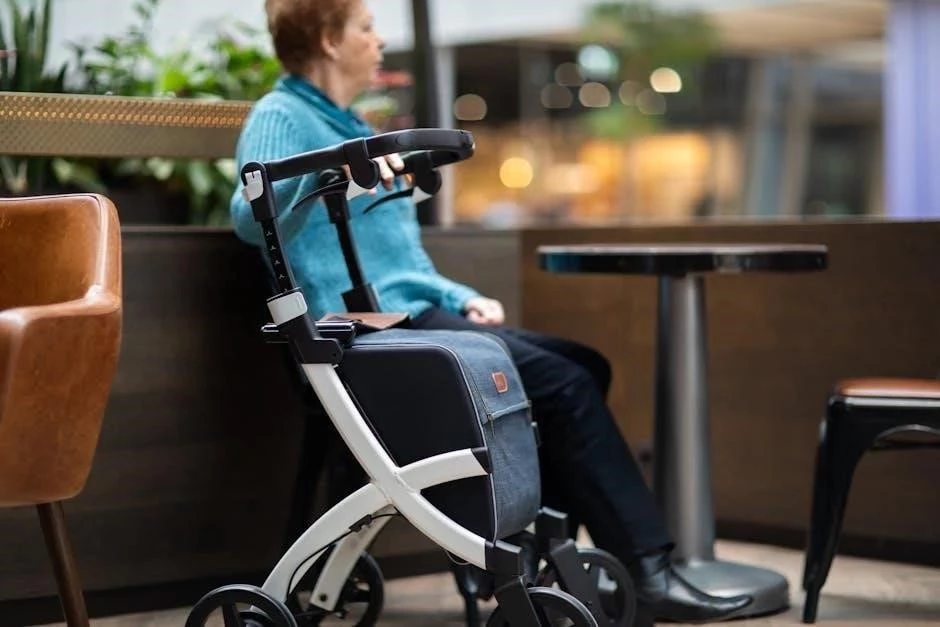
Ensuring your loved one can move safely through their home and community is a cornerstone of compassionate caregiving. Maintaining wheelchairs and walkers NYC requires a dedicated eye for detail to prevent mechanical failures on busy city streets. By staying proactive with equipment checks, families can provide seniors with the confidence they need to stay active and engaged. A well-maintained device is not just a tool; it is a gateway to independence and a vital safeguard against avoidable accidents.

Clinical Quick Answer
Effective mobility gear maintenance involves a weekly inspection of brake tension, tire integrity, and frame stability to ensure user safety. For those living in urban environments, Maintaining wheelchairs and walkers NYC is essential to counteract the accelerated wear caused by uneven pavement and seasonal debris. Adhering to these protocols is a primary strategy for achieving Fall Prevention 2025 goals, reducing the risk of device-related injuries by up to 40%.
Integrating Equipment Maintenance into Fall Prevention 2025
As we approach the new year, the healthcare community is placing a renewed focus on Fall Prevention 2025 initiatives, which prioritize the mechanical integrity of mobility aids. A walker with a loose screw or a wheelchair with uneven tire pressure is a significant fall risk that can be easily mitigated with routine oversight. Clinical data suggests that many falls attributed to “tripping” are actually caused by equipment that does not respond as expected during a transition.
- Quarterly Professional Inspections: Schedule a deep-dive check with a certified technician to evaluate the structural integrity of frames and specialized electronic components.
- Daily User Feedback: Always ask the senior if the device feels “different,” as they are often the first to notice subtle changes in resistance or stability.
- Standardized Safety Checklists: Use a formalized list to ensure no component—from the smallest bolt to the largest wheel—is overlooked during home inspections.
- Environmental Calibration: Ensure the device is specifically adjusted for the flooring types most common in the senior’s living environment, whether it be hardwood, low-pile carpet, or NYC tile.
- Lubrication Protocols: Use manufacturer-approved dry lubricants on folding mechanisms to prevent sticking, which can cause a senior to lose balance while trying to open their walker.
Navigating NYC Terrain: Challenges for Mobility Devices
Maintaining wheelchairs and walkers NYC presents unique challenges due to the city’s infrastructure and climate. The abrasive nature of concrete, combined with the presence of salt in the winter and high humidity in the summer, can cause rapid degradation of metal and rubber parts. Caregivers must be particularly vigilant about cleaning devices after outdoor excursions to prevent corrosive buildup.
- Salt and Grit Removal: After navigating NYC sidewalks in winter, wipe down the frame and wheels with a damp cloth to prevent rust and axle damage.
- Pavement Stress Checks: Urban vibrations can loosen nuts and bolts faster than in suburban settings; check all fasteners bi-weekly.
- Tire Tread Monitoring: NYC streets act like sandpaper on rubber tires; replace wheels as soon as the tread appears smooth to maintain traction on wet subway platforms.
- Elevator and Threshold Safety: Ensure that front casters are properly aligned and lubricated to handle the small gaps often found in apartment elevators and store entrances.
- Portable Maintenance Kits: Keep a small wrench and a cleaning cloth in the wheelchair’s side pocket for on-the-go adjustments in the city.
Wheelchair-Specific Maintenance Protocols
Wheelchairs are complex mechanical systems that require specific attention to remain safe and efficient. For manual chairs, the relationship between the large drive wheels and the small front casters is critical for balance. For power chairs, battery health and joystick responsiveness are the primary concerns for preventing sudden stops in dangerous locations.
- Axle Alignment: Ensure that the wheels are perfectly parallel; misalignment causes the chair to “veer,” leading to muscle strain for the user and increased tip risk.
- Brake Engagement: Test the wheel locks daily; they should require a firm push to engage and should hold the chair stationary on a 10-degree incline.
- Upholstery Integrity: Check for sagging or tears in the seat and backrest, as poor support can lead to pressure sores and a shift in the user’s center of gravity.
- Caster Flutter Correction: If the front wheels vibrate at high speeds, it often indicates a loose stem bolt or a worn bearing that needs immediate replacement.
- Battery Maintenance (Power Chairs): Follow a strict charging schedule and inspect terminals for corrosion to ensure the user isn’t stranded during transit.
Walker and Rollator Safety Standards
Walkers and rollators are often the most misused mobility aids, frequently neglected until a visible failure occurs. Because these devices bear a significant portion of the user’s weight, the points of contact with the ground are the most vulnerable. Fall Prevention 2025 guidelines emphasize the regular replacement of “consumable” parts like rubber tips and glide skis.
- Hand Grip Security: Ensure grips do not rotate or slide on the metal tubing; loose grips can cause a senior to lose their handhold during a weight shift.
- Height Adjustment Pins: Verify that the spring-loaded pins are fully seated in their holes and haven’t become “mushy” or stuck over time.
- Brake Cable Tension: For rollators, the hand brakes must be tight enough to stop the wheels immediately but not so tight that the senior lacks the hand strength to squeeze them.
- Frame Symmetry: Check for any slight bends in the aluminum tubing, which can occur if the walker is tossed into the trunk of a car or a taxi.
- Tennis Ball Replacement: If using tennis balls on rear legs, replace them as soon as they wear through to the inner rubber to prevent “grabbing” on carpet.
The Clinical Importance of Proper Tire Pressure and Tread
Tires are the only point of contact between the mobility device and the ground. In the context of maintaining wheelchairs and walkers NYC, tire health is a non-negotiable safety factor. Under-inflated tires make a manual wheelchair much harder to push, leading to caregiver fatigue and user shoulder injuries, while worn-out walker tips offer zero slip resistance on wet marble or linoleum floors.
- Pneumatic Pressure Checks: Use a manual pump with a gauge to ensure tires are at the PSI recommended on the sidewall, typically checked once a week.
- Solid Tire Inspection: Look for “flat spots” or cracks in solid rubber tires that can cause a jarring ride and instability.
- Bearing Cleaning: Hair and carpet fibers often wrap around wheel axles; use tweezers to remove debris that can seize the bearings.
- Non-Marking Tires: Ensure replacement wheels are non-marking to avoid damaging the floors of NYC apartments and medical facilities.
- Tip Replacement Schedule: Replace rubber walker tips every 3 to 6 months, or sooner if the bottom “rings” are no longer visible.
Professional Servicing and Insurance Coverage in NYC
While home maintenance is vital, certain repairs should only be handled by professionals. In NYC, many Medicare and Medicaid plans cover the repair and maintenance of Durable Medical Equipment (DME). Navigating this system ensures that the device is repaired using OEM (Original Equipment Manufacturer) parts, which maintain the device’s safety certifications.
- DME Provider Relationships: Identify a local NYC repair shop that works directly with your insurance to streamline the authorization process for new parts.
- Annual “Tune-Ups”: Even if the device seems fine, an annual professional check-up can identify hidden stress fractures in the metal frame.
- Documentation: Keep a log of all repairs and maintenance; this is often required by insurance companies to justify the eventual replacement of the device.
- Emergency Repair Plans: Have the contact information for a mobile repair service that can come to your home if a wheelchair becomes inoperable.
- Warranty Tracking: Register your device upon purchase to ensure that manufacturing defects are fixed at no cost to the family.
Nurse Insight: In my experience working with seniors across the five boroughs, the most common equipment failure isn’t a broken frame—it’s worn-out brakes. I once visited a patient in Brooklyn whose rollator brakes had become so loose she was essentially using a cart on wheels that wouldn’t stop. We caught it just in time. I always tell my families: if you can’t lock the wheels with a single, confident click, that device is not safe for use. Don’t wait for a fall to realize the gear needs a tune-up.
Frequently Asked Questions
How often should I check the brakes on a rollator walker?
Does NYC Medicaid cover the cost of maintaining wheelchairs?
What are the signs that a walker needs to be replaced rather than repaired?
How can I protect a wheelchair from NYC winter salt damage?
Why is tire pressure important for fall prevention in 2025?
Contact ProLife Home Care NYC for a free clinical assessment:(718) 232 – 2777