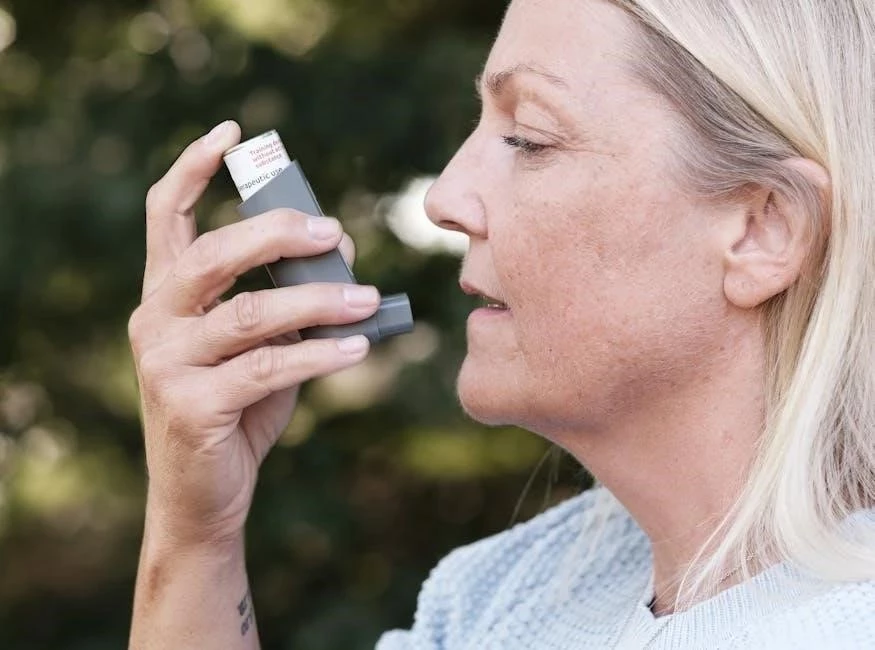
Watching a loved one struggle for breath can be an overwhelming and frightening experience for any family in New York City. We understand that managing chronic respiratory conditions requires not just the right equipment, but also constant vigilance and emotional support. By coordinating professional care at home, you can transform a stressful medical routine into a manageable part of daily life. Our goal is to provide the peace of mind that comes with knowing your elderly family member is breathing easier in the comfort of their own home.
Clinical Quick Answer
Professional management of respiratory health ensures that medication delivery is both safe and effective for aging patients. By utilizing Nebulizer treatments for NYC seniors, families can significantly reduce the risk of emergency room visits caused by asthma or COPD exacerbations. A structured care plan overseen by clinical experts ensures that every breath taken is supported by proper technique and high-quality medical equipment.
The Importance of Professional Respiratory Management
Respiratory health is the cornerstone of senior wellness, particularly in an urban environment like New York City where air quality and allergens can fluctuate wildly. For many seniors, standard inhalers are difficult to use correctly due to arthritis or cognitive decline, making nebulizers a critical alternative. These devices convert liquid medication into a fine mist that can be easily inhaled through a mask or mouthpiece, ensuring the medicine reaches deep into the lungs where it is needed most. However, the efficacy of these treatments depends heavily on the consistency of administration and the cleanliness of the equipment.
- Consistent Medication Delivery: Unlike hand-held inhalers which require precise coordination, nebulizers allow the patient to breathe normally while receiving their full dose of medication over several minutes;
- Reduced Physical Strain: For seniors with limited dexterity, the simple act of breathing through a mask is far less taxing than attempting to time a metered-dose inhaler;
- Enhanced Lung Penetration: The continuous mist provided by a nebulizer is often more effective at loosening thick mucus and opening airways during an acute flare-up.
- Monitoring Vital Signs: Professional caregivers can monitor oxygen saturation levels before, during, and after treatments to ensure the patient is responding well.
- Psychological Comfort: Knowing that a professional is managing the treatment reduces the anxiety often associated with shortness of breath, which in turn helps keep the heart rate stable.
Clinical Value of a Nursing Assessment NYC
Before any respiratory regimen begins, a comprehensive Nursing Assessment NYC is vital to establish a baseline of the patient’s health. In the five boroughs, where diverse housing conditions can impact respiratory health (such as old radiators or high humidity in coastal areas), a nurse’s professional eye is indispensable. This assessment goes beyond checking a pulse; it involves a holistic review of the patient’s environment, medication history, and physical capacity. A registered nurse evaluates how well the lungs are functioning and identifies potential “red flags” that a family member might miss, such as subtle changes in skin color or the use of accessory muscles for breathing.
- Auscultation of Lung Sounds: Nurses use stethoscopes to listen for wheezing, crackles, or diminished breath sounds that indicate where congestion is localized.
- Environmental Trigger Identification: The assessment includes looking for dust, mold, or strong odors in the NYC apartment that could trigger a respiratory attack.
- Review of Comorbidities: Seniors often have heart conditions that mimic respiratory issues; a professional nurse can differentiate between cardiac-related breathlessness and pulmonary distress.
- Medication Reconciliation: Ensuring that respiratory medications do not negatively interact with blood pressure or diabetes medications is a key component of the assessment.
- Patient Education: The nurse teaches the patient and family the “why” behind each step, increasing compliance and long-term health outcomes.
Common Conditions Treated with Home Nebulization
Nebulizer treatments are not a one-size-fits-all solution; they are tailored to the specific chronic conditions that many NYC seniors face. Chronic Obstructive Pulmonary Disease (COPD), which includes chronic bronchitis and emphysema, is one of the most common reasons for home breathing treatments. Additionally, adult-onset asthma and bronchiectasis require specialized nebulized medications like bronchodilators and corticosteroids. By understanding the underlying condition, caregivers can better anticipate when a treatment is necessary and how to adjust the environment to prevent future episodes.
- COPD Management: Using nebulizers to deliver long-acting bronchodilators helps keep airways open throughout the day and night.
- Acute Asthma Attacks: Nebulizers are the gold standard for delivering “rescue” medications quickly during a sudden onset of wheezing.
- Pneumonia Recovery: For seniors recovering from lung infections, nebulized saline or mucolytics can help clear the lungs of infectious debris.
- Congestive Heart Failure Support: While not a primary treatment for CHF, nebulizers can help alleviate the secondary respiratory distress caused by fluid buildup in the lungs.
- Cystic Fibrosis or Bronchiectasis: These conditions require frequent clearing of the airways, where nebulizers play a central role in thinning secretions.
Safety and Sanitation Protocols for NYC Seniors
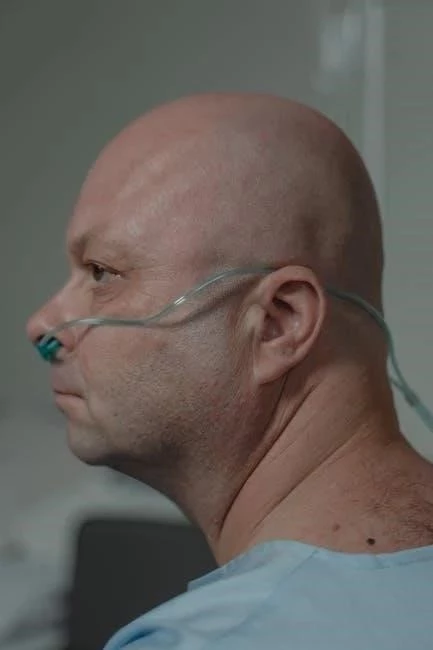
One of the greatest risks associated with home nebulizer use is the potential for infection. If a nebulizer kit is not cleaned properly, it can become a breeding ground for bacteria, which are then inhaled directly into the lungs. In New York City, where tap water quality and humidity can vary, following strict sanitation protocols is non-negotiable. Seniors living alone may find it difficult to disassemble and scrub these small parts, which is why having a structured care plan or a home health aide is so beneficial for maintaining the integrity of the equipment;
- Daily Disinfection: The nebulizer cup, mask, or mouthpiece must be washed in warm, soapy water after every single use to prevent biofilm buildup.
- Weekly Deep Cleaning: Components should be soaked in a vinegar-water solution or a medical-grade disinfectant as prescribed by the manufacturer.
- Air Filter Replacement: Many families forget the filter inside the compressor machine; these must be checked and replaced monthly to ensure the air being pumped is clean.
- Medication Storage: Liquid medications must be stored away from direct NYC sunlight and heat, often requiring refrigeration to maintain their chemical stability.
- Tubing Maintenance: Tubing should never be washed; if it becomes cloudy or shows signs of moisture, it must be replaced immediately to avoid mold inhalation.
Creating a Breath-Friendly Environment in Urban Settings
Living in a dense city like New York presents unique challenges for respiratory health. From the exhaust on busy avenues to the steam heat in pre-war buildings, many factors can irritate sensitive lungs. Part of coordinating home relief involves modifying the living space to support the nebulizer treatments. This holistic approach ensures that the medical interventions are not fighting a losing battle against an unhealthy environment. Simple changes in the home can dramatically reduce the frequency of needed treatments and improve the senior’s overall quality of life.
- HEPA Air Filtration: Utilizing high-quality air purifiers can remove the particulate matter common in NYC air, reducing the workload on the senior’s lungs.
- Humidity Control: Using a hygrometer to keep indoor humidity between 30% and 50% helps prevent both mold growth and the drying out of mucus membranes.
- Scent-Free Zones: Eliminating strong perfumes, cleaning chemicals, and incense can prevent sudden bronchospasms.
- Pest Management: In many NYC apartments, allergens from pests are a major asthma trigger; professional, non-toxic pest control is a health necessity.
- Proper Ventilation: Ensuring that kitchens and bathrooms are well-ventilated prevents the buildup of carbon monoxide and moisture.
Accessing Support: Medicaid and CDPAP in New York
For many families, the cost of daily respiratory care and professional oversight can be daunting. Fortunately, New York offers robust programs like the Consumer Directed Personal Assistance Program (CDPAP) and Managed Long-Term Care (MLTC) that can help cover these costs. Through these programs, seniors can receive the assistance they need with their nebulizer treatments and daily monitoring without having to move into a nursing home. Navigating the paperwork for these services can be complex, but it is the key to securing long-term, high-quality care within the home.
- Eligibility for CDPAP: This program allows the senior to choose their own caregiver—often a family member—who can be paid to assist with respiratory routines.
- MLTC Enrollment: Managed Long-Term Care plans in NYC coordinate all aspects of a senior’s health, including the delivery of nebulizer medications and equipment.
- Obtaining Medical Necessity Documentation: A nurse or doctor must provide specific clinical evidence of the senior’s need for home respiratory support to trigger insurance coverage.
- Working with Durable Medical Equipment (DME) Providers: NYC has many specialized providers who can deliver and service nebulizer machines directly to the home.
- Advocacy and Coordination: Utilizing a specialist to help navigate the Medicaid application process ensures that the senior receives the maximum hours of care allowed.
Nurse Insight: In my experience working with seniors across Brooklyn and Queens, the biggest hurdle isn’t the machine itself, but the timing of the treatment. Many patients wait until they are already gasping for air before they start their nebulizer. I always tell my families that “prevention is better than a rescue.” By establishing a strict schedule—perhaps right after waking up when the lungs are most congested—we can keep the airways open all day. Also, never underestimate the power of a clean filter; I’ve seen machines lose 50% of their power simply because the NYC dust clogged the air intake. Keep it clean, keep it consistent, and you’ll see a world of difference in your loved one’s energy levels.
Frequently Asked Questions
How often should a senior in NYC use a nebulizer?
Does Medicare or Medicaid cover nebulizer machines and medications?
What are the signs that a breathing treatment is not working?
Can a family member be paid to help with nebulizer treatments in NYC?
How do I know if my loved one needs a nebulizer instead of an inhaler?
Contact ProLife Home Care NYC for a free clinical assessment:(718) 232 – 2777