Managing chronic conditions in a bustling city requires vigilance and the right tools to ensure safety for our aging parents. Proper glucometer calibration for seniors NYC is the foundation of a reliable health monitoring routine that prevents dangerous blood sugar spikes and drops. Families often feel overwhelmed by technical medical devices, but simple maintenance steps can provide clarity and peace of mind in daily caregiving. By ensuring equipment accuracy, you empower your loved ones to maintain their independence and health within the comfort of their own homes. Diabetes Management
Clinical Quick Answer
Ensuring accurate glucose readings requires regular validation of testing equipment using manufacturer-specific control solutions to verify that the meter and test strips are working correctly. In the context of professional Diabetes Management, calibration should occur when opening a new vial of strips, after dropping the device, or when results do not match physical symptoms. For residents in high-humidity or extreme temperature environments like New York City, frequent calibration checks are vital to prevent environmental factors from skewing life-critical health data.
The Importance of Precise Calibration for the Aging Population
As seniors age, their physiological response to blood sugar fluctuations may become less pronounced, making them more reliant on electronic readings than physical cues. This shift highlights why glucometer calibration for seniors NYC is not just a technicality but a safety requirement. If a meter is off by even 15 or 20 percent, a senior might incorrectly administer insulin or fail to consume necessary glucose, leading to severe hypoglycemic episodes or long-term hyperglycemic damage.
- Reduced Sensitivity: Older adults often lose the ability to feel “shaky” or “sweaty” during low sugar events, making the meter the only early warning system.
- Cognitive Reliability: Ensuring the device is calibrated reduces the mental burden on seniors who may already be struggling with complex medication schedules.
- Clinical Decision Making: NYC doctors rely on home logs to adjust dosages; inaccurate home data can lead to improper clinical prescriptions.
- Device Longevity: Regular calibration checks help identify when a device is failing before it completely breaks down, allowing for a timely replacement.
- Standardizing Care: For families using home health aides, a calibrated meter ensures every caregiver is working with the same high-quality data.
Understanding Control Solutions and Their Role in Accuracy
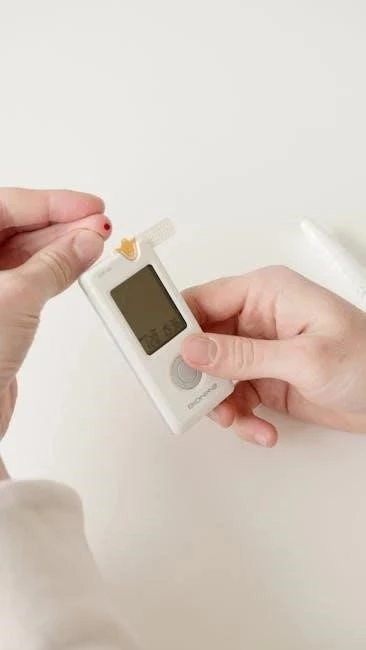
Control solutions are liquid samples containing a known amount of glucose that are used instead of blood to test the meter’s functionality. For effective glucometer calibration for seniors NYC, it is essential to use the solution specifically designed for the brand and model of the meter being used. Many seniors are unaware that these solutions exist or that they have expiration dates, typically lasting only three to six months once opened.
- Verification Range: Every vial of test strips has a printed range; the control solution result must fall within this range to be considered “accurate.”
- System Check: The solution tests the integrity of both the meter and the chemical enzymes on the individual test strips.
- Correct Application: A small drop of solution is applied to the strip exactly like a blood sample to simulate a real-world testing environment.
- Troubleshooting Tool: If a senior gets an unusually high or low reading, the control solution can immediately determine if the issue is physiological or technical.
- Frequency of Use: Manufacturer guidelines usually suggest testing once a week or whenever a new batch of strips is unsealed.
Environmental Challenges in New York City Apartments
The unique environment of NYC can significantly impact the accuracy of diabetes testing equipment. Many older buildings in Manhattan and Brooklyn utilize steam heat, which can lead to high humidity levels and fluctuating temperatures that degrade the sensitive chemicals in test strips. Furthermore, the summer heat in non-air-conditioned apartments can ruin a meter’s internal calibration mechanisms if not stored properly.
- Humidity Control: Excessive moisture in bathrooms or kitchens can cause test strips to provide falsely elevated readings; always store strips in their original, tightly sealed containers.
- Extreme Temperatures: Meters should never be left near radiators or in direct sunlight, as heat can warp the internal sensors.
- Travel Safety: For seniors traveling via the MTA or walking in the city, carrying a meter in an insulated bag helps protect it from the rapid temperature changes between the outdoors and climate-controlled buildings.
- Pollution and Residue: NYC air can carry more particulates; ensure the meter’s test port remains clean and free of dust or debris.
- Altitudinal and Pressure Changes: While less common in daily life, rapid changes in high-rise elevators can occasionally affect very sensitive digital sensors.
Coding vs. No-Coding Technology for Seniors
In the past, glucometers required manual “coding” where the user had to enter a number from the strip vial into the meter. While many modern devices are “no-coding,” understanding the difference is crucial for glucometer calibration for seniors NYC. Older seniors who have used the same device for a decade may still be using manual coding, which is a significant source of user error and inaccurate readings if the code is entered incorrectly.
- Automatic Calibration: No-coding meters calibrate themselves to the strip batch automatically, reducing the risk of human error during setup.
- Manual Risks: If a manual code is off by just one digit, the resulting glucose reading can be dangerously inaccurate.
- Upgrading Equipment: Seniors using older coded meters should be encouraged to switch to modern no-coding technology, often covered by Medicaid or Medicare.
- Visual Accessibility: Newer meters often feature larger displays and audio feedback, making the calibration confirmation easier for those with vision loss.
- Software Updates: Some high-end meters can sync with smartphone apps to track calibration history and notify the user when a check is due.
Clinical Integration with Professional Care Teams
Data is only as good as its interpretation. In professional Diabetes Management, the calibrated readings from a home glucometer should be shared digitally or via a physical log with the senior’s primary care physician or endocrinologist. In NYC, many healthcare networks now use remote patient monitoring (RPM) where the meter automatically sends data to the doctor’s office, but this system only works if the hardware is properly maintained.
- Log Consistency: Seniors should record not just the number, but also if the meter was calibrated that day to validate the data’s reliability.
- Medication Adjustments: Doctors in NYC hospitals like Mount Sinai or NYU Langone use home data to titrate insulin; accuracy here is non-negotiable.
- Home Care Oversight: Registered nurses (RNs) visiting the home under Medicaid programs can perform official calibration checks during their visits.
- Patient Education: Learning how to calibrate a meter is a core component of diabetes self-management education (DSME) programs available throughout the five boroughs.
- Emergency Preparedness: Having a calibrated meter is essential for “Sick Day Rules,” helping seniors manage their sugar during minor illnesses without needing an ER visit.
Financial and Logistic Support in New York
Accessing the necessary supplies for glucometer calibration for seniors NYC can be a hurdle for those on fixed incomes. However, New York offers several programs to ensure seniors have access to accurate testing supplies, including control solutions and high-quality meters. Navigating these resources is a vital part of comprehensive care for any family dealing with a diabetes diagnosis in an aging relative.
- Medicaid Coverage: Most Medicaid managed care plans in NYC cover the cost of meters, test strips, and control solutions as durable medical equipment (DME).
- CDPAP Assistance: The Consumer Directed Personal Assistance Program allows family members to be paid to help seniors with tasks like meter calibration and glucose testing;
- Local Pharmacy Support: Many community pharmacies in neighborhoods like Queens or the Bronx offer free demonstrations on how to use and calibrate new meters.
- Senior Center Resources: NYC Department for the Aging (DFTA) centers often host health fairs where seniors can have their meters checked for accuracy against a clinical-grade device.
- Discount Programs: For those without full coverage, manufacturers often provide “savings cards” that lower the out-of-pocket cost for strips and calibration supplies.
Nurse Insight: In my experience working with elderly patients in Brooklyn and the Bronx, I have found that many seniors continue to use test strips that have been exposed to moisture because they do not want to “waste” them. I always tell my families: a reading from a compromised strip is worse than no reading at all, because it can lead to dangerous over-medication. I recommend keeping a small “calibration kit” in a cool, dry drawer—not the medicine cabinet in a steamy bathroom—to ensure that whenever they feel “off,” they can quickly verify their meter’s accuracy before making any treatment decisions.
Frequently Asked Questions
How often should I calibrate my senior’s glucometer?
Can I use any brand of control solution for the calibration?
Does NYC Medicaid cover the cost of calibration supplies?
Why are my glucometer readings different from the doctor’s lab results?
What should I do if the calibration test fails?
Contact ProLife Home Care NYC for a free clinical assessment:(718) 232 – 2777