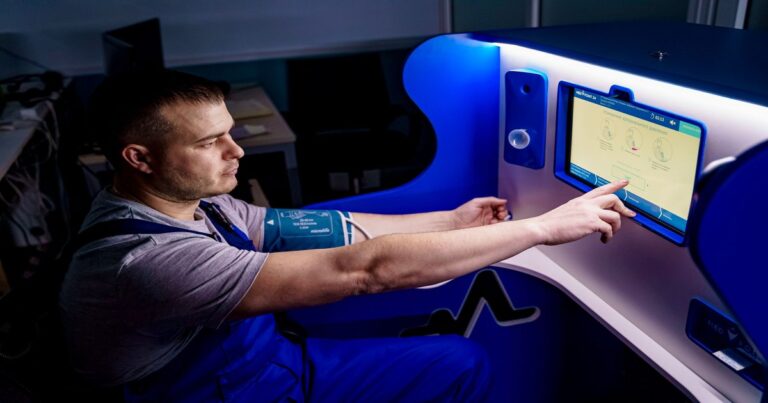

Caring for a loved one at home can feel like a constant weight on your shoulders, especially when managing chronic conditions. We understand the anxiety of not knowing if a parent’s blood pressure is too high or if their oxygen levels are dipping overnight. Using in-home vitals monitors for MLTC provides a digital safety net, ensuring that professional help is always watching over your family. This technology isn’t just about data; it is about giving you the peace of mind that your loved one is safe and connected to clinical experts 24/7.
Clinical Quick Answer
Remote health monitoring utilizes connected medical devices to transmit real-time physiological data from a patient’s home to a centralized nursing team for clinical review. By integrating Remote Health Monitoring into Managed Long Term Care (MLTC) plans, New York State aims to reduce emergency department visits and stabilize chronic illnesses through early intervention. These systems automatically alert nurses when readings exceed safe thresholds, allowing for immediate medication adjustments or home health check-ins.
Understanding In-home Vitals Monitors for MLTC Recipients
The landscape of New York City healthcare is rapidly shifting toward proactive, home-based solutions. For individuals enrolled in Managed Long Term Care (MLTC) programs, the introduction of specialized monitoring equipment has revolutionized how chronic conditions are managed. These devices are designed to be user-friendly, often requiring nothing more than a simple touch of a button or the placement of a cuff on the arm.
- Digital Blood Pressure Cuffs: Automatically record systolic and diastolic pressure, sending results to a nurse portal via cellular signal.
- Pulse Oximeters: Measure blood oxygen saturation and heart rate, vital for patients with COPD or congestive heart failure.
- Weight Scales: Specifically calibrated to detect sudden fluid retention, a primary indicator of heart failure exacerbation.
- Glucometers: Sync blood sugar levels directly to the care team, helping to manage diabetes without the need for manual logs.
- Contactless Sleep Sensors: Some advanced MLTC packages include pads that sit under the mattress to monitor respiratory rates and movement during the night.
These tools bridge the gap between visiting nurse appointments, ensuring that a patient’s health status is known every day, not just once a week. For seniors in NYC, this means fewer stressful trips to the hospital and more time spent in the comfort of their own communities.
The Mechanics of Remote Health Monitoring Systems
Many families worry that Remote Health Monitoring will be too complex or require high-speed internet that they might not have. Modern systems are built with “plug-and-play” technology. Most in-home vitals monitors for MLTC come with an internal cellular chip, meaning they work just like a cell phone without needing a separate Wi-Fi connection.
- Data Transmission: Once a reading is taken, the device encrypts the data to comply with HIPAA privacy laws and transmits it to a secure cloud server.
- Threshold Alerts: Nurses set customized “red zones” for each patient; if a blood pressure reading spikes above a certain level, the system triggers an immediate alert.
- Cloud Storage: Long-term data is stored so that primary care physicians can see trends over months, rather than just a single point in time during a clinic visit.
- Visual Feedback: Many devices feature large, backlit screens and voice prompts to guide the user through the measurement process in English, Spanish, or Chinese.
The goal is to make the technology invisible. When the system works correctly, the senior simply takes their vitals as part of their morning routine, and the “tech” handles the rest, keeping the nursing team informed in the background.
Why NYC Nurses Rely on Real-Time Data
In the bustling environment of New York City, home care nurses often manage large caseloads. Remote monitoring acts as a force multiplier for these professionals. Instead of waiting for a patient to call because they feel unwell, nurses can see the physiological signs of trouble hours or even days before symptoms become severe.
- Proactive Triage: Nurses can prioritize their daily outreach based on who has the most concerning vital signs that morning.
- Medication Management: If a nurse sees that a patient’s blood pressure is consistently high despite medication, they can coordinate with the doctor to adjust dosages immediately;
- Reduced “White Coat” Hypertension: Readings taken at home are often more accurate than those taken in a stressful doctor’s office or clinic.
- Trend Analysis: Nurses look for patterns, such as a slow creep in weight gain over three days, which is a classic sign of fluid buildup in heart patients.
This constant stream of information allows for a level of precision in care that was previously impossible. It transforms the nurse-patient relationship from reactive to preventive.
Benefits for Families and Caregivers in NYC
Caregiving is often a 24/7 job that leads to significant burnout. Using in-home vitals monitors for MLTC helps distribute the burden of clinical surveillance. When a family member knows that a professional nurse is receiving alerts, they can focus more on the emotional and personal aspects of caregiving.
- Decreased Emergency Room Visits: By catching issues early, the need for 911 calls and hospital admissions is significantly lowered.
- Educational Support: Many monitoring systems come with a tablet that provides educational videos on diet, exercise, and disease management.
- Improved Communication: Caregivers can access the same data that the nurses see, making it easier to discuss health status during family meetings or doctor visits.
- Independence for Seniors: For seniors who value their autonomy, remote monitoring allows them to live alone safely for longer.
In a city where space and resources are often tight, these digital tools provide an extra layer of support that makes aging in place a sustainable reality for thousands of New Yorkers.
How to Get Started with Monitoring through MLTC
Accessing these services typically begins with the MLTC Care Manager. Because Remote Health Monitoring is recognized as a valuable tool for maintaining health, many New York Medicaid plans now cover the cost of the equipment and the monitoring service entirely.
- Assessment: The care manager or a nurse will conduct a home assessment to determine which devices are medically necessary for the patient’s condition.
- Installation: A technician or a community health worker often visits the home to set up the equipment and train the patient and caregiver on its use.
- Consent: Patients must sign a consent form acknowledging that their data will be shared with the clinical team.
- Ongoing Review: The utilization of the monitor is reviewed during the patient’s semi-annual MLTC assessment to ensure it is still providing value.
If you are currently enrolled in an MLTC plan like VNS Health, Healthplex, or Elderplan, you should ask your care manager specifically about “Remote Patient Monitoring” or “RPM” services available under your benefits.
Overcoming Common Challenges with Home Health Tech
While the benefits are clear, adopting new technology can sometimes face hurdles. It is important to address these concerns directly to ensure the long-term success of the monitoring program.
- Tech Literacy: Training must be tailored to the individual. Simple, pictorial guides are often more effective than thick manuals.
- Privacy Concerns: Patients should be reassured that the data is transmitted over secure, private networks and is only visible to their authorized care team.
- Device Compliance: The most common issue is simply forgetting to take the readings. Setting a routine, such as taking vitals right after breakfast, helps build the habit.
- Technical Malfunctions: Most MLTC-provided monitors come with a 24/7 technical support line to help if a device stops transmitting or displays an error code.
By addressing these challenges head-on, the integration of technology becomes a bridge rather than a barrier to high-quality care. The goal is always the same: keeping New Yorkers healthy, safe, and out of the hospital.
Nurse Insight: In my experience working with families across Brooklyn and the Bronx, the biggest hurdle isn’t the technology itself—it is the fear of doing something wrong. I always tell my patients that these devices are meant to help, not test them. If you forget a day or get an error, don’t panic. The system is designed to catch those gaps. The most successful families are the ones who treat the vitals monitor like a morning cup of coffee—something quick and consistent that starts the day with a sense of security.
Frequently Asked Questions
Does Medicaid pay for in-home vitals monitors for MLTC recipients?
What happens if my blood pressure reading is too high?
Do I need to have Wi-Fi in my home to use these monitors?
Is my personal health data safe when sent over these devices?
Can I use these monitors if I have more than one chronic condition?
Contact ProLife Home Care NYC for a free clinical assessment:(718) 232 – 2777