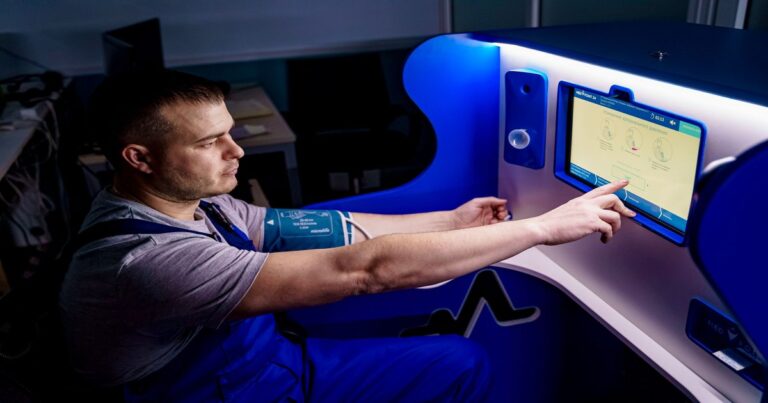
Caring for a senior loved one who requires blood thinners often brings a mix of relief for their health and anxiety about the potential risks of bleeding. Managing anticoagulant meds at home requires a steady hand and a vigilant eye to ensure that the benefits of stroke prevention outweigh the dangers of complications. We recognize the weight of responsibility you feel when tracking dosages and watching for subtle changes in your family member’s condition. Our goal is to provide the clinical clarity and support you need to feel confident in your caregiving journey every single day.
Clinical Quick Answer
Ensuring safety for seniors on anticoagulants involves rigorous adherence to dosing schedules, frequent monitoring of lab values like INR, and immediate reporting of any unusual bruising or bleeding. Professional Medication Management is essential to prevent dangerous drug-to-drug interactions that can occur with over-the-counter supplements or new prescriptions. By maintaining a consistent routine and a safe home environment, caregivers can effectively reduce the risk of major hemorrhagic events.
Establishing a Fail-Safe Routine for Anticoagulants
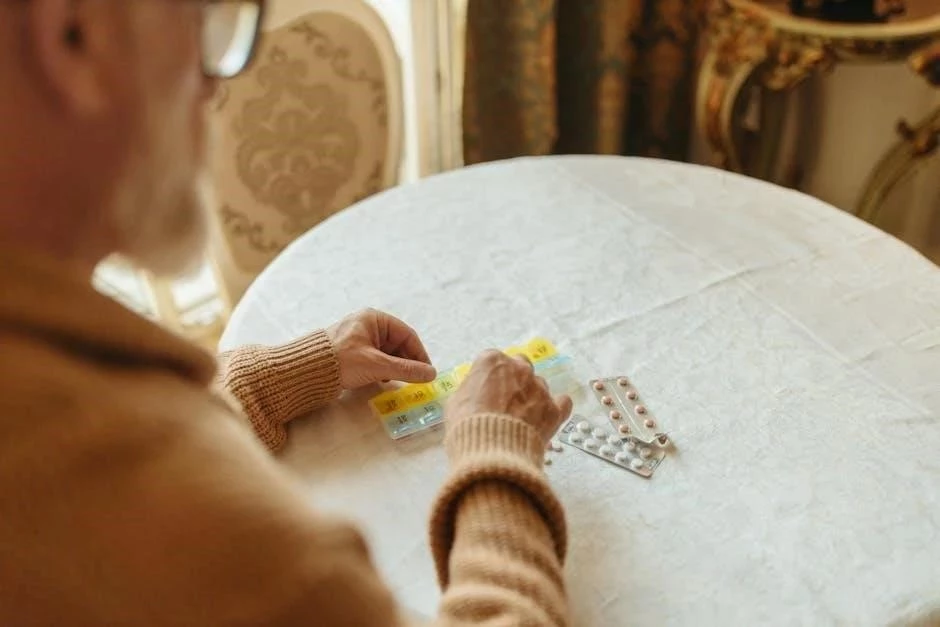
When it comes to Managing anticoagulant meds at home, consistency is the primary pillar of safety. Seniors often take multiple medications, and the introduction of a blood thinner adds a layer of complexity that requires a structured system. Because anticoagulants work by altering the blood’s clotting ability, even a small deviation in timing can lead to blood that is too thick (increasing stroke risk) or too thin (increasing bleeding risk).
- Use a specialized pill organizer that is labeled with both the day of the week and the specific time of day (AM/PM).
- Set multiple digital alarms on a smartphone or a dedicated medication reminder device to ensure doses are taken at the exact same time daily.
- Maintain a written medication log where the caregiver or senior marks off each dose immediately after it is swallowed.
- Store medications in a cool, dry place away from direct sunlight, as heat and moisture can degrade the chemical integrity of the pills.
- Keep a “Master Medication List” that includes the anticoagulant dosage, prescribing doctor, and the reason for the medication to share with any emergency responders.
- Never attempt to “double up” on a dose if one is missed; instead, consult the prescribing physician or pharmacist immediately for guidance.
- Ensure the senior has an adequate supply of medication at all times, setting reminders for refills at least one week before the bottle is empty.
Recognizing and Monitoring Bleeding Symptoms
Clinical monitoring doesn’t just happen in the doctor’s office; it happens every time a caregiver helps a senior get dressed or prepares a meal. In the context of Managing anticoagulant meds at home, identifying the difference between a minor bruise and a clinical emergency is vital. Seniors have thinner skin and more fragile blood vessels, making them naturally more prone to bruising, but anticoagulants amplify this vulnerability significantly.
- Inspect the skin daily for new or expanding bruises that appear without a known injury or fall.
- Monitor for epistaxis (nosebleeds) that last longer than 10 minutes or occur frequently throughout the week.
- Watch for bleeding gums during oral hygiene routines, which may indicate that the blood’s clotting factor is too low.
- Observe the color of urine and stool; red or pink urine, or black, tarry stools (melena), are critical signs of internal gastrointestinal or urinary tract bleeding.
- Note any sudden, severe headaches or changes in vision, which could potentially signal an intracranial hemorrhage.
- Check for “petechiae,” which are tiny purple or red spots on the skin that look like a rash but are actually small broken capillaries.
- Assess the duration of bleeding from minor nicks, such as those from shaving or paper cuts; if bleeding does not stop with moderate pressure after several minutes, seek medical advice.
Navigating Dietary Interactions and Vitamin K
Diet plays a surprisingly large role in how certain anticoagulants, particularly Warfarin (Coumadin), function in the body. While Managing anticoagulant meds at home, the focus should not be on “avoiding” healthy foods, but rather on maintaining a strict consistency. Newer classes of drugs, known as DOACs (Direct Oral Anticoagulants), have fewer dietary restrictions, but seniors should still be aware of how their nutritional choices impact their overall health and medication efficacy.
- Maintain a consistent intake of Vitamin K-rich foods like spinach, kale, broccoli, and Brussels sprouts; sudden increases or decreases can fluctuate INR levels.
- Be cautious with grapefruit and grapefruit juice, as they can interfere with the enzymes that process many medications, potentially leading to toxic levels in the blood.
- Limit alcohol consumption, as alcohol can affect the liver’s ability to process blood thinners and increase the risk of falls and subsequent bleeding.
- Consult a healthcare provider before adding any herbal supplements, such as Ginkgo Biloba, St. John’s Wort, or high-dose Garlic, which possess natural blood-thinning properties.
- Ensure the senior stays well-hydrated, as dehydration can affect blood volume and the concentration of medication in the bloodstream.
- Use a food diary if lab results are inconsistent, helping the clinical team identify patterns between meals and blood clotting speeds.
Environmental Safety and Fall Prevention Strategies
For a senior on blood thinners, a simple trip and fall is no longer just a risk for a broken bone; it is a high-risk event for internal bleeding or a brain bleed. Managing anticoagulant meds at home must be paired with a rigorous home safety assessment. Preventing the injury in the first place is the most effective way to manage the risks associated with anticoagulant therapy in the elderly population.
- Remove all “trip hazards,” including throw rugs, loose electrical cords, and cluttered pathways in high-traffic areas.
- Ensure all stairs and hallways are brightly lit, utilizing motion-sensor lights for nighttime trips to the bathroom.
- Install sturdy grab bars in the shower and next to the toilet to provide stability during transitions.
- Encourage the use of non-slip footwear or specialized “grip socks” even when walking inside the house.
- Evaluate the need for assistive devices, such as walkers or canes, and ensure they are properly fitted to the senior’s height and strength.
- Keep frequently used items at waist level to prevent the need for reaching or using step stools, which increases the risk of losing balance.
- Consider a medical alert wearable device so that if a fall occurs while the senior is alone, help can be summoned immediately.
The Importance of Regular Laboratory Monitoring
If the senior is prescribed Warfarin, regular blood tests (Prothrombin Time/INR) are non-negotiable. These tests measure how long it takes for the blood to clot. When Managing anticoagulant meds at home, the caregiver often becomes the primary coordinator for these appointments. Even with newer drugs that don’t require routine INR checks, periodic kidney and liver function tests are necessary to ensure the body is clearing the medication correctly.
- Keep a dedicated calendar for lab appointments and never skip a scheduled blood draw.
- Understand the “Target Range” provided by the doctor (typically an INR between 2.0 and 3.0 for most conditions) and ask for the results of every test.
- Be prepared for dosage adjustments; it is common for doctors to change the number of milligrams taken based on the most recent lab findings.
- Communicate any changes in physical activity or weight to the doctor, as these factors can influence how the body utilizes the anticoagulant.
- Coordinate care between specialists; if a senior sees a cardiologist, a podiatrist, and a primary care doctor, all three must know the patient is on a blood thinner.
- Inquire about home-testing kits for INR monitoring if the senior has mobility issues that make frequent clinic visits difficult.
Emergency Protocols and When to Seek Urgent Care
Preparation is the best antidote to panic. Families Managing anticoagulant meds at home should have a clear, written plan for what constitutes a medical emergency. While we always hope for the best, the clinical reality of anticoagulants is that complications can escalate quickly. Knowing exactly who to call and where to go can save a life when every second counts during a bleeding event.
- Call 911 immediately if the senior experiences a significant fall or a blow to the head, even if they claim they feel fine and there is no visible blood.
- Seek emergency care for any signs of a stroke, using the FAST acronym (Face drooping, Arm weakness, Speech difficulty, Time to call 911).
- Go to the ER for “uncontrolled bleeding”—any wound where pressure does not stop the flow of blood within 10 to 15 minutes.
- Watch for signs of internal bleeding such as sudden, unexplained swelling in a joint, severe abdominal pain, or vomiting coffee-ground-textured fluid.
- Keep a list of all current medications and dosages taped to the refrigerator or inside the senior’s wallet for emergency medical technicians.
- Inform any dentist or surgeon well in advance of any procedures, as blood thinners usually need to be paused or adjusted several days prior.
Nurse Insight: In my experience, Managing anticoagulant meds at home becomes significantly less stressful when families use a “Red Folder” system. In this folder, keep the latest lab results, a list of “safe” OTC medications, and a log of any minor bruising. This not only keeps you organized but also provides the doctor with a clear clinical picture during check-ups. I always tell my families: ‘You are the eyes and ears of the medical team.’ Your observations at home are just as important as the lab results we see in the clinic.
Frequently Asked Questions
What are the most common side effects of anticoagulants in seniors?
Can my loved one take Ibuprofen or Advil while on blood thinners?
How does Vitamin K specifically affect Warfarin levels?
What should I do if a dose of blood thinner is missed?
When is a bruise considered a medical emergency?
Contact ProLife Home Care NYC for a free clinical assessment:(718) 232 – 2777