Caring for an aging loved one with diabetes requires a constant focus on small details that can prevent major health complications. In the bustling environment of New York, foot care for diabetic seniors NYC is a critical component of maintaining their mobility and independence. We understand how overwhelming it can be to manage glucose levels while also monitoring for signs of infection or injury that your loved one may not even feel. Our goal is to provide families with the peace of mind that comes from professional oversight and a structured prevention plan.
Clinical Quick Answer
Professional foot checks by a Registered Nurse are essential for diabetic patients because neuropathy often masks the pain of developing ulcers or infections. By implementing consistent Foot Care for Seniors, caregivers can detect micro-trauma, fungal issues, and circulatory changes before they escalate into hospitalizations. In New York City, these preventative measures are the first line of defense against the high rates of diabetic complications seen in the elderly population.
The Critical Importance of Specialized Foot Care for NYC Seniors
Diabetes is a systemic disease that manifests significantly in the lower extremities, particularly in the senior population. In a high-activity environment like New York City, where seniors may still rely on walking for daily errands, the risk of foot injury is amplified. Foot care for diabetic seniors NYC must address the unique physiological challenges of aging combined with metabolic dysfunction. The primary concern is diabetic peripheral neuropathy, a condition where high blood sugar levels damage the nerves, leading to a loss of sensation. This means a senior may step on a sharp object or develop a blister from an ill-fitting shoe and never feel the pain that would normally alert them to an injury.
- Peripheral Neuropathy: The gradual loss of protective sensation that makes daily inspections mandatory.
- Peripheral Artery Disease (PAD): Reduced blood flow to the feet slows down the healing process for even minor cuts.
- Immunocompromised Healing: Elevated glucose levels impair the body’s ability to fight off infections in the skin and soft tissues.
- Urban Mobility Hazards: NYC pavements, stairs, and subway commutes increase the physical stress on a senior’s feet.
- Cognitive Barriers: Conditions like dementia or Alzheimer’s can make it difficult for a senior to remember to check their own feet.
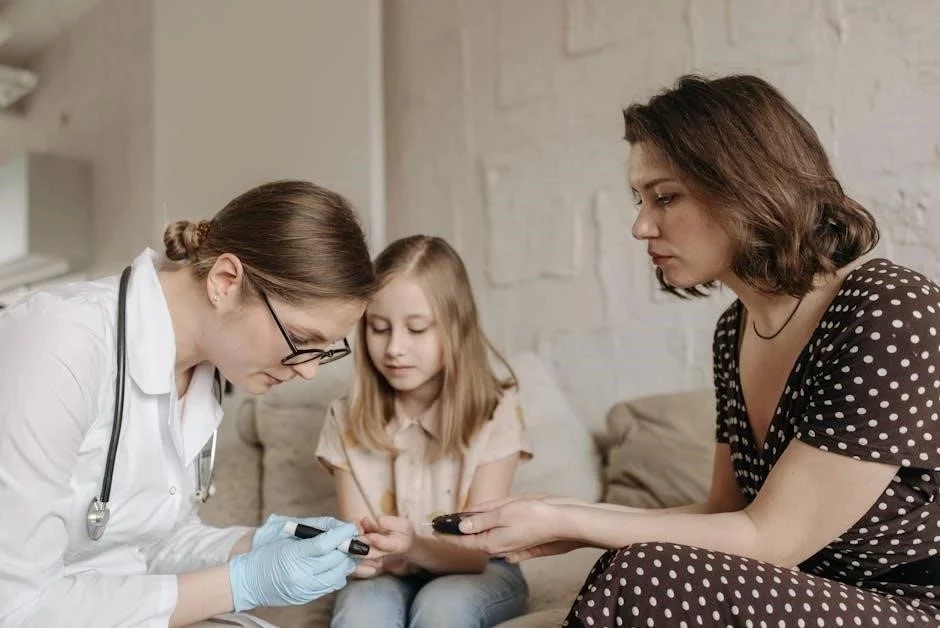
Identifying Early Warning Signs of Diabetic Foot Ulcers
An ulcer rarely appears overnight; it is usually the result of sustained pressure or an untreated minor injury. For families in New York, recognizing the subtle shifts in foot health can be the difference between a simple topical treatment and a multi-week hospital stay. Because the nerves are often compromised, we cannot rely on the patient saying “it hurts.” Instead, we must rely on visual and tactile cues. When providing foot care for diabetic seniors NYC, nurses look for changes in skin integrity that suggest the underlying tissue is under stress. These signs are often “silent” but visible to a trained eye.
- Erythema (Redness): Persistent red spots that do not fade after removing shoes are signs of localized pressure.
- Local Hyperthermia: Skin that feels warmer to the touch than the surrounding area often indicates an underlying infection or inflammation.
- Edema (Swelling): Unilateral swelling in one foot can signal a deep tissue issue or Charcot foot, a serious diabetic complication.
- Hyperkeratosis (Calluses): Thickened skin can act like a stone in the shoe, creating high-pressure zones that eventually break down into ulcers.
- Tinea Pedis (Fungal Infections): Cracks between the toes from fungus provide an entry point for dangerous bacteria like MRSA.
The Role of a Registered Nurse in Preventative Foot Checks
While daily home checks by family members are vital, they do not replace the clinical assessment of a Registered Nurse. An RN brings a level of expertise in wound care and pathophysiology that allows for the detection of “pre-ulcerative” conditions. In NYC’s complex healthcare landscape, an RN also acts as a bridge between the home and the podiatrist. They can perform debridement of non-viable tissue, assess the quality of pedal pulses, and evaluate the senior’s gait to see if corrective footwear is needed. This professional layer of Foot Care for Seniors ensures that no detail is overlooked in the patient's overall care plan.
- Monofilament Testing: Using a specialized tool to quantify the level of sensation loss in various zones of the foot.
- Vascular Assessment: Checking the dorsalis pedis and posterior tibial pulses to ensure adequate blood flow for tissue health.
- Nail Management: Safely trimming thickened, mycotic (fungal) nails that can otherwise cause skin trauma.
- Infection Control: Identifying early stages of cellulitis or osteomyelitis before they become systemic.
- Education: Training family caregivers on the correct way to dry between toes and apply moisture safely.
Daily Foot Care Protocols for Seniors with Diabetes
Consistency is the hallmark of successful diabetic foot management. For many seniors in New York, the dry air in high-rise apartments during winter or the humidity of summer can cause skin to crack or macerate. A daily protocol should be established and followed as strictly as medication administration. This routine prevents the “small things” from becoming life-altering emergencies. When we discuss foot care for diabetic seniors NYC, we emphasize that the environment plays a large role in how we maintain skin suppleness and hygiene.
- Lukewarm Washing: Always testing water temperature with an elbow, not a hand or foot, to prevent accidental burns.
- Meticulous Drying: Patting the skin dry, especially between the toes where moisture can lead to fungal growth.
- Specific Moisturizing: Applying urea-based creams to the heels and tops of feet, but never between the toes.
- Mirror Inspections: Using a long-handled mirror for seniors who live alone so they can see the soles of their feet.
- Immediate Reporting: Establishing a “no-wait” policy for reporting any new blister, cut, or discoloration to the nursing team.
Navigating New York City Foot Health Resources
NYC offers a wealth of medical resources, but navigating them can be a challenge for elderly residents. From specialized podiatry clinics in Manhattan to home care services in Brooklyn, the options are vast. It is important to find specialists who focus specifically on the geriatric diabetic population. Effective Foot Care for Seniors involves a multidisciplinary approach including primary care physicians, endocrinologists, and vascular surgeons. In NYC, many seniors may qualify for home-based nursing visits through Medicaid or Medicare, which can include professional foot monitoring as part of a chronic disease management program.
- Specialized Podiatrists: Seeking out doctors who have wound care certification and experience with diabetic limb salvage.
- Home Care Services: Utilizing RNs who can perform assessments in the comfort of the senior’s home, reducing the stress of travel.
- Custom Orthotics Labs: Accessing NYC-based labs that create pressure-relieving inserts tailored to the senior's specific foot shape.
- Senior Centers: Many local centers offer health screenings where foot health is briefly evaluated by visiting nurses.
- Vascular Screening Clinics: Identifying centers that offer non-invasive testing like Ankle-Brachial Index (ABI) to check circulation.
Footwear and Environment: Safeguarding the Senior Home in NYC
Prevention extends beyond the skin; it includes the environment in which the senior moves. In many NYC apartments, cramped spaces and area rugs pose significant tripping hazards. Furthermore, the choice of footwear is the most important external factor in preventing ulcers. Diabetic seniors should never walk barefoot, even inside the house. The right shoes act as a protective shell, while the right socks manage moisture and reduce friction. Proper foot care for diabetic seniors NYC must address these external factors to be truly effective.
- Seamless Socks: Avoiding socks with thick seams that can cause pressure sores on the toes.
- Moisture-Wicking Materials: Choosing bamboo or synthetic blends over cotton to keep the feet dry throughout the day.
- Extra-Depth Shoes: Ensuring the senior has shoes with enough room for potential swelling and orthotic inserts.
- Indoor Protection: Utilizing hard-soled slippers or “house shoes” to protect against dropped items or furniture corners.
- Home Hazard Removal: Clearing pathways and ensuring bright lighting so the senior can see where they are stepping.
Nurse Insight: In my experience, the most dangerous thing for a diabetic senior in NYC isn’t just the disease itself, but the “tough it out” mentality. I've seen many patients who noticed a small red spot after walking to the market and ignored it because it didn’t hurt. By the time I was called in, that spot had become a deep ulcer. My advice is simple: if you see something, say something immediately. A professional foot check takes ten minutes, but recovering from a foot infection can take ten months. Always prioritize professional oversight for Foot Care for Seniors to keep your loved ones walking and independent.
Frequently Asked Questions
How often should a diabetic senior in NYC have their feet checked by a professional?
What is the best type of footwear for a diabetic senior living in an urban area like New York?
Can I trim my diabetic parents nails at home?
Why are foot ulcers so dangerous for seniors with diabetes?
Does Medicaid cover home-based foot care for seniors in NYC?
Contact ProLife Home Care NYC for a free clinical assessment:(718) 232 – 2777
Contact ProLife Home Care NYC for a free clinical assessment: (718) 232-2777