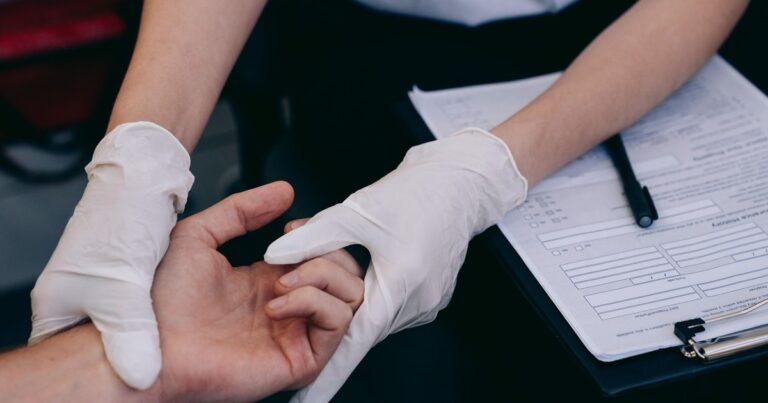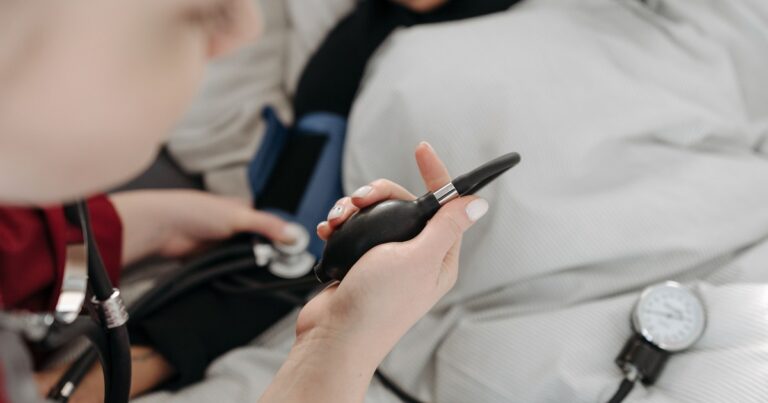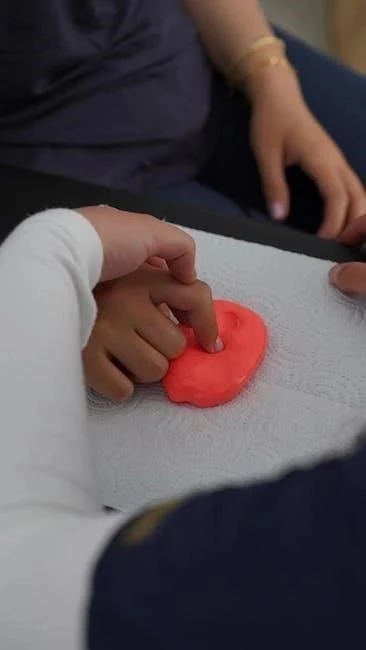
Navigating the transition from hospital to home requires a compassionate and highly organized approach to Skilled Nursing Care. We understand the emotional weight families carry when a loved one needs medical supervision and physical rehabilitation in their own living space. Our mission is to bridge the gap between clinical requirements and personal comfort, ensuring your family feels supported at every step. By focusing on individualized care plans, we help restore independence while maintaining the highest medical standards in the heart of New York City.
Clinical Quick Answer
Effective home health care relies on the seamless integration of medical monitoring and functional rehabilitation to prevent hospital readmissions. This synergy is achieved through comprehensive Skilled Nursing Care and specialized therapeutic interventions tailored to the patient’s unique environment. By synchronizing medication management with physical exercise, clinicians ensure that patients are physiologically stable enough to meet their mobility goals safely.
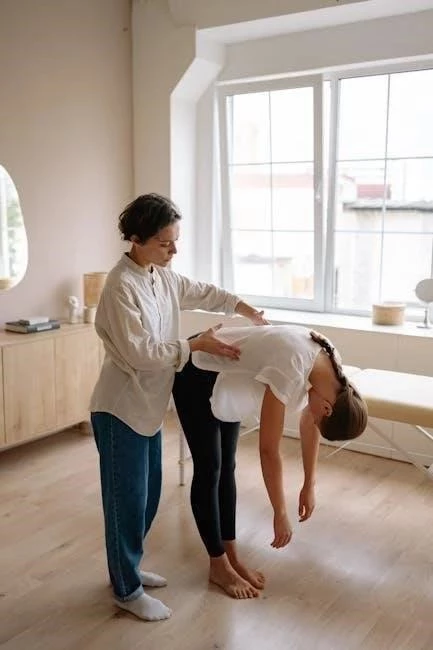
The Foundation of Integrated Home Health: Aligning Nurses and Therapists
In the complex ecosystem of New York City healthcare, the collaboration between registered nurses (RNs) and physical therapists (PTs) is the cornerstone of successful recovery. This relationship begins with a unified care plan that addresses both the biological and mechanical needs of the patient; While the nurse focuses on systemic health—such as wound healing, infection control, and cardiovascular stability—the physical therapist focuses on the musculoskeletal system and functional movement. Without this alignment, a patient might be physically pushed to exercise while their vitals are unstable, or conversely, remain sedentary despite being medically cleared for movement.
- Joint Assessment Protocols: Both clinicians contribute to a baseline evaluation that identifies potential risks for falls or medical complications.
- Unified Goal Setting: Nurses and therapists set weekly benchmarks that reflect both medical milestones and mobility improvements.
- Medication Synchronization: Nurses ensure pain management or anti-inflammatory medications are administered at optimal times to facilitate more effective therapy sessions.
- Infection Vigilance: Therapists often notice changes in skin color or temperature during exercise, reporting these immediately to the nursing team for early intervention.
- Nutrition and Hydration: Nurses monitor the caloric intake necessary to fuel the strenuous physical demands of rehabilitation sessions.
Optimizing Recovery via In-home Physical Therapy Coordination NYC
The logistical challenges of New York City, from narrow brownstone hallways to high-rise elevator wait times, demand expert coordination for home-based services. In-home physical therapy coordination NYC ensures that a patient’s living environment is transformed into a safe, rehabilitative space. Coordination involves more than just scheduling; it requires a deep understanding of the city’s resources and the specific equipment needs of an urban household. By managing the flow of information between the orthopedic surgeon, the primary care physician, and the field clinicians, a dedicated coordinator ensures no detail is overlooked.
- Home Safety Evaluations: Therapists assess tight NYC living quarters to remove trip hazards and recommend assistive devices like grab bars or ramps.
- Equipment Procurement: Coordination teams facilitate the delivery and setup of walkers, hospital beds, and specialized exercise equipment within the home.
- Scheduling Synergy: Ensuring the therapist arrives after the nurse has performed essential vitals checks and medication administration.
- Caregiver Education: Coordinating sessions where family members are taught how to safely assist with transfers and exercises between professional visits.
- Technological Integration: Utilizing telehealth and digital logs to provide real-time updates to the entire medical team regardless of their location in the five boroughs.
The Critical Role of Skilled Nursing Care in Complex Patient Management
Skilled Nursing Care provides the clinical oversight necessary for patients with chronic conditions or those recovering from major surgery. In the home setting, the nurse acts as the “eyes and ears” of the physician, performing tasks that require professional licensure and clinical judgment. This level of care is essential for patients who are too fragile for a standard outpatient setting but wish to avoid the institutional environment of a nursing home. The presence of a skilled nurse significantly reduces the likelihood of emergency room visits by catching subtle clinical changes before they become crises.
- Complex Wound Care: Professional management of surgical incisions, pressure ulcers, and diabetic wounds to prevent sepsis.
- Intravenous (IV) Therapy: Administration of antibiotics, hydration, or nutrition through peripheral or central lines.
- Disease State Management: Education and monitoring for conditions like Congestive Heart Failure (CHF), COPD, and Diabetes.
- Catheter and Ostomy Care: Ensuring proper hygiene and function of specialized medical diversions.
- Vital Sign Trending: Beyond just taking a pulse, nurses analyze trends in blood pressure and oxygen saturation to adjust care plans in real-time.
Communication Protocols: Bridging the Gap Between Assessment and Wellness
Communication is the lifeblood of clinical teamwork. In the fast-paced NYC environment, clinicians must use standardized protocols to ensure that every member of the care team—including the patient’s family—is informed. This involves the use of Electronic Medical Records (EMR) and verbal “hand-offs” that occur after every visit. When a physical therapist notices that a patient is unusually fatigued, that information must reach the nurse immediately, as it could indicate a heart rate issue or a side effect of a new medication. This proactive dialogue transforms isolated visits into a continuous loop of care.
- SBAR Reporting: Use of the Situation-Background-Assessment-Recommendation framework for clear clinical communication.
- Interdisciplinary Rounds: Periodic meetings where nurses, therapists, and social workers discuss the patient’s progress and adjust strategies.
- Patient Portals: Providing families with access to visit summaries and upcoming schedules to improve transparency.
- Emergency Response Plans: Clearly defined steps for what the therapist or nurse should do if the patient’s condition deteriorates during a session.
- Caregiver Debriefing: Ensuring the home health aide or family member understands the specific “dos and don’ts” for the next 24 hours.
Maximizing Patient Safety through Multi-Disciplinary Oversight
Safety in the home environment is multifaceted, involving both physiological stability and physical security. Clinical teamwork allows for a “double-check” system where both the nurse and the therapist evaluate the patient’s risk factors. For instance, a nurse might identify that a patient’s blood pressure drops when standing (orthostatic hypotension), while the therapist identifies a lack of balance. Together, they create a strategy to prevent falls, which are the leading cause of readmission among NYC seniors. This comprehensive oversight extends to the proper use of medical devices and the prevention of medication errors.
- Fall Risk Mitigation: Implementing standardized tests like the “Timed Up and Go” (TUG) while monitoring heart rate response.
- Medication Reconciliation: Nurses verify that no new medications prescribed by specialists conflict with the patient’s existing regimen.
- Environmental Modification: Therapists suggesting changes to lighting and floor coverings that the nurse then reinforces during health teaching.
- Durable Medical Equipment (DME) Training: Ensuring the patient and family can operate oxygen concentrators, nebulizers, and lift systems safely.
- Psychosocial Screening: Both clinicians monitor for signs of depression or “caregiver burnout,” referring to social services when necessary.
Navigating Medicaid and Insurance for Integrated Care in NYC
Understanding the financial landscape is vital for maintaining long-term care. New York’s Medicaid programs, including Managed Long Term Care (MLTC), often cover both nursing and therapy, but the authorization process requires meticulous documentation. Clinical teamwork plays a role here too: when both a nurse and a therapist document the medical necessity of home visits, the likelihood of insurance approval increases. Families need guidance on how to maximize their benefits while ensuring their loved one receives the appropriate frequency of visits to reach their rehabilitation goals.
- Documentation Accuracy: Clinicians provide the specific data points required by insurance providers to prove the patient is “homebound.”
- MLTC Coordination: Working with care managers to ensure the plan of care aligns with the patient’s allotted hours and services.
- Private Pay Integration: Assisting families in supplementally funding additional therapy or nursing hours not covered by basic plans.
- Authorization Renewals: Proactively submitting clinical progress reports to prevent gaps in service.
- Resource Referral: Connecting families with NYC-based non-profits and advocacy groups that assist with healthcare navigation.
Nurse Insight: In my experience, the most successful recoveries happen when the physical therapist and I spend five minutes talking before we even enter the patient’s room. In the busy world of New York home care, it is easy to treat a patient as a list of tasks, but true healing requires us to see the whole person. I recall a patient in Brooklyn who was refusing to walk with his therapist; because we communicated, I realized his refusal wasn’t stubbornness—it was unmanaged surgical pain. We adjusted his medication schedule so he was comfortable 30 minutes before the therapist arrived, and his progress tripled in a week. Coordination isn’t just about paperwork; it’s about making sure the medical care supports the physical effort.
Frequently Asked Questions
What is the main difference between skilled nursing and physical therapy at home?
How does in-home physical therapy coordination NYC work for seniors?
Does Medicaid cover both nursing and physical therapy in New York?
How often will the nurse and therapist visit my home?
Can I choose my own therapist or nurse through my agency?
Contact ProLife Home Care NYC for a free clinical assessment:(718) 232 – 2777