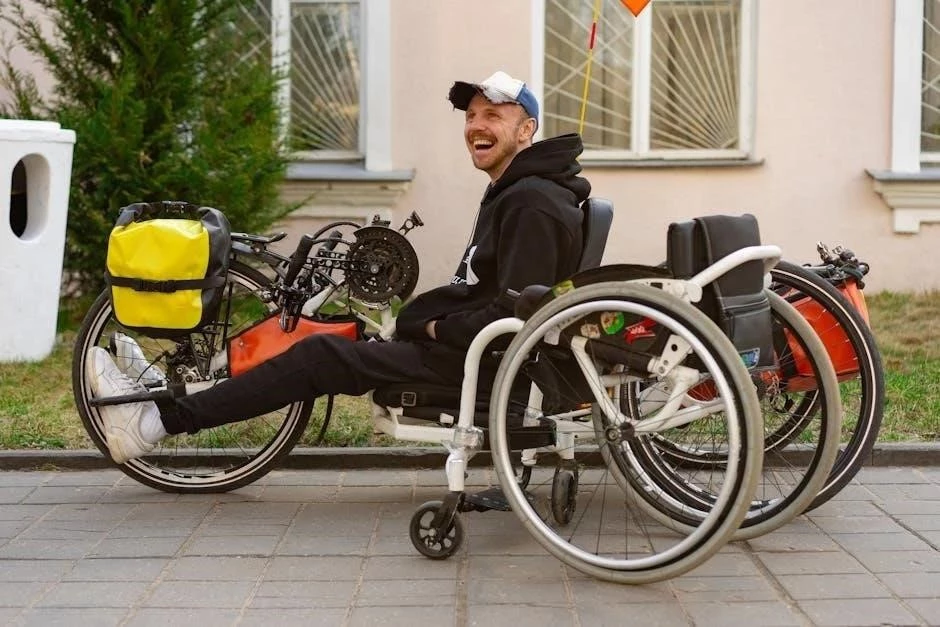
Watching a loved one struggle with basic tasks like buttoning a shirt can be heartbreaking for NYC families navigating the complexities of aging. Maintaining a sense of personal style and independence is vital for the emotional well-being of seniors who face physical limitations. Adaptive clothing for NYC seniors offers a practical solution that merges fashion with functionality, ensuring that daily routines remain respectful and stress-free. By choosing the right gear, families can significantly reduce the risk of injury and discomfort while fostering a higher quality of life for their elders.
Clinical Quick Answer
Adaptive clothing utilizes specialized designs such as magnetic closures, Velcro fasteners, and open-back panels to assist individuals with restricted range of motion or cognitive decline. These garments are essential for preventing skin shearing and reducing the physical strain on both the patient and the caregiver during daily transitions. For those requiring professional assistance, specialized Nurse Services can provide expert assessments to determine the most effective adaptive solutions based on a patient’s specific clinical needs.
The Clinical Necessity of Adaptive Clothing for NYC Seniors
In the medical field, dressing is classified as an Activity of Daily Living (ADL), and its successful completion is a benchmark for a senior’s independence. For many aging New Yorkers, standard clothing presents a series of physical barriers that can lead to medical complications. Adaptive clothing for NYC seniors is not merely a convenience; it is a clinical intervention designed to manage several age-related health issues.
- Prevention of Skin Breakdown: Traditional zippers and rough seams can cause friction against fragile geriatric skin. Adaptive garments often feature flat seams and soft fabrics to prevent pressure ulcers and skin tears, which are common in seniors with limited mobility.
- Reduced Cardiovascular Strain: The physical exertion required to struggle into a tight sweater or narrow trousers can cause temporary spikes in heart rate and blood pressure. Simplified dressing reduces this “exertional fatigue.”
- Management of Arthritis and Dexterity Issues: For patients with rheumatoid arthritis or osteoarthritis in the hands, manipulating small buttons is often impossible. Magnetic and Velcro closures allow for “one-touch” dressing that preserves joint health.
- Neurological Support: Patients with Parkinson’s disease or Essential Tremors benefit from clothing that does not require fine motor skills, reducing frustration and the risk of accidental falls during the dressing process.
- Post-Surgical Recovery: After hip or knee replacements, NYC seniors require garments that do not necessitate bending or twisting. Side-opening pants and front-closure bras are critical during the first 6-12 weeks of recovery.
- Incontinence Management: Adaptive pants with discreet snap openings or high-rise elastic waists allow for faster access during toileting, reducing the incidence of hygiene-related skin infections.
Technological Innovations in Senior Apparel
The landscape of elderly care in New York has been transformed by advancements in textile technology and ergonomic design. Modern adaptive clothing for NYC seniors balances the need for medical accessibility with the desire for aesthetic appeal, ensuring that “medical clothes” do not look like hospital gowns.
- Magnetic Button Technology: Hidden magnets behind traditional-looking button facades allow shirts to “snap” closed automatically, which is a game-changer for men and women with hand tremors.
- Open-Back Designs: For seniors who are wheelchair-bound or bedridden, open-back shirts and dresses allow caregivers to dress the patient from the front without having to lift them, significantly reducing the risk of musculoskeletal injuries for both parties.
- Anti-Strip Jumpsuits: For seniors living with advanced dementia or Alzheimer’s who may engage in inappropriate undressing, specialized jumpsuits with back-entry zippers provide a safe and dignified solution.
- Sensory-Friendly Fabrics: Many seniors experience sensory processing changes; adaptive lines often use bamboo or high-grade cotton that is moisture-wicking and hypoallergenic to prevent itching and overheating.
- Easy-Access Footwear: Slip-resistant shoes with wide-entry ports and adjustable closures accommodate “edema” (swelling of the feet and ankles), which is prevalent among the NYC elderly population.
- Weighted Vests and Compression: Some adaptive clothing lines integrate gentle compression or weight to help calm seniors who experience anxiety or sundowning symptoms.
Addressing Limited Mobility and Fall Prevention
Falling is the leading cause of injury-related hospitalizations for seniors in the five boroughs. The process of getting dressed—standing on one leg to pull on trousers or reaching overhead for a shirt—is a high-risk time for balance loss. Adaptive clothing for NYC seniors directly addresses these safety concerns.
- Seated Dressing Solutions: Pants designed for seated dressing allow a senior to remain safely on a chair or the edge of the bed while the garment is secured around them using side zippers.
- Elimination of Trip Hazards: Overly long hems or loose-fitting standard robes can easily catch on walkers or canes. Adaptive clothing is often tailored to avoid excess fabric that could lead to a trip and fall.
- Proper Footwear Integration: Many falls occur when seniors walk in socks or ill-fitting slippers. Adaptive footwear provides the necessary grip and support while being easy to put on without bending over.
- Support for Caregiver Assistance: When a nurse or family member assists with dressing, garments that open fully reduce the need for “yanking” limbs, which protects the senior’s shoulder and hip joints from dislocation or strain.
- Durable Medical Equipment (DME) Compatibility: Adaptive clothing is designed to be worn comfortably with braces, casts, or compression stockings, ensuring that therapeutic devices are not obstructed.
- Visibility and Safety: Some adaptive outdoor gear for NYC seniors includes reflective piping, which is essential for safety when navigating busy Manhattan or Brooklyn streets during the shorter days of winter.
The Psychological Impact: Dignity and Self-Esteem
Independence is closely tied to mental health. When a senior can no longer dress themselves, they often feel a loss of agency and a decline in their sense of self. Utilizing adaptive clothing for NYC seniors provides a psychological boost that is as important as the physical benefits.
- Empowerment Through Choice: Being able to choose and put on one’s own clothes fosters a sense of control over one’s life, which is a powerful tool against geriatric depression.
- Maintaining Social Connections: When seniors feel they look “normal” and well-groomed, they are more likely to participate in community activities at local senior centers or visit family.
- Reduction of Caregiver Burnout: Dressing a resistant or physically limited senior can be stressful. When the process is made easier through adaptive gear, the relationship between the senior and the caregiver remains positive and focused on companionship.
- Preservation of Privacy: Open-back clothing allows for medical exams or hygiene care without the need for full nudity, maintaining the senior’s dignity during vulnerable moments.
- Identity Retention: Many adaptive brands now offer trendy styles—denim, floral prints, and modern cuts—so that a senior’s wardrobe reflects their personality rather than their diagnosis.
- Cognitive Benefits: The simple act of successfully completing the steps of dressing (even with simplified closures) provides cognitive stimulation and a sense of daily achievement.
Integrating Nurse Services into Daily Care Routines
Properly implementing a new wardrobe of adaptive clothing for NYC seniors often requires professional guidance. This is where clinical oversight becomes invaluable to ensure that the garments selected align with the patient’s long-term care plan.
- Initial Assessment: A nurse can evaluate the senior’s range of motion, grip strength, and balance to recommend specific types of adaptive closures (e.g., magnets vs. Velcro).
- Monitoring Skin Integrity: During the dressing process, a professional can conduct daily skin checks to catch early signs of redness or irritation that might otherwise go unnoticed.
- Training for Family Caregivers: Nurses provide education on the safest “log-rolling” or lifting techniques to use when dressing a bedridden patient in adaptive gear.
- Coordination with Physical Therapists: Professional caregivers ensure that the clothing supports the goals set by therapists, such as improving reaching abilities or standing tolerance.
- Nutritional and Edema Tracking: If a nurse notices that adaptive clothing is becoming too tight (or too loose), it can serve as an early indicator of fluid retention (edema) or weight loss, triggering a medical review.
- Emotional Support: Having a professional present during the transition to adaptive gear helps normalize the change, making the senior feel that this is a proactive step for health rather than a “loss” of ability.
Navigating NYC Resources for Adaptive Needs
Living in New York City provides unique access to specialized healthcare and retail resources. However, finding the right adaptive clothing for NYC seniors requires knowing where to look and how to utilize available support systems.
- Local Adaptive Boutiques: NYC is home to several showrooms where seniors can try on adaptive garments to find the perfect fit before purchasing.
- MLTC and Medicaid Benefits: Some Managed Long-Term Care (MLTC) plans may provide allowances or reimbursement for clothing that is deemed a medical necessity for the prevention of secondary complications.
- Home Care Agency Partnerships: Many NYC home care agencies work with adaptive clothing manufacturers to provide discounts or catalog access to their clients.
- Community Workshops: Senior centers in boroughs like Queens and the Bronx often hold workshops on “aging in place,” which include demonstrations of adaptive dressing aids like dressing sticks and shoehorns.
- Occupational Therapy Consultations: Many NYC hospitals offer outpatient OT services that specialize in ADL retraining, helping seniors master the use of new adaptive gear.
- Seasonal Preparation: Given NYC’s extreme weather, local resources can help families find adaptive winter coats that are easy to put on over heavy layers, ensuring seniors stay warm during the cold months.
Nurse Insight: In my experience, the transition to adaptive clothing is most successful when introduced as a “wardrobe upgrade” rather than a “medical necessity.” I once worked with a gentleman in Manhattan who refused any help with his shirts until we found him a magnetic-closure shirt that looked exactly like his favorite bespoke dress shirts. Suddenly, his frustration vanished because he could once again dress himself for Sunday brunch. My advice to families is to focus on the freedom these clothes provide; it’s about what the senior can do, not what they’ve lost. Also, always remember to check the magnets before washing—they are powerful and can occasionally stick to the inside of your dryer!
Frequently Asked Questions
Is adaptive clothing for seniors covered by Medicare in New York?
What are the best types of closures for someone with severe hand arthritis?
How does open-back clothing work for bedbound patients?
Are there specific laundry requirements for adaptive garments with magnets?
Where can I find adaptive clothing boutiques in the New York City area?
Contact ProLife Home Care NYC for a free clinical assessment:(718) 232 – 2777