Manhattan Clinical Excellence: Transitioning from MS Morningside

28.03.2026 | Verified by Anna Klyauzova, MSN, RN

As a senior registered nurse with extensive experience in the New York City healthcare corridor, I understand the complexities involved when a patient moves from an acute care setting like Mount Sinai Morningside back to their private residence. This transition is a delicate phase where the high-level clinical standards of the hospital must be replicated in the home environment to ensure safety and recovery. Utilizing professional Mount Sinai Morningside home nursing services ensures that the bridge between hospital and home is built on a foundation of medical expertise and compassionate care. My goal is to guide families through this process by emphasizing the necessity of professional oversight during the first few weeks of recovery.

Transitioning from Mount Sinai Morningside home nursing involves a meticulous coordination of care that begins with a professional Nursing Assessment to evaluate the patient’s stability and home environment. This process ensures that medical protocols established in the hospital are accurately translated into a home-based care plan, focusing on medication adherence and wound management. By engaging skilled nursing early, patients significantly reduce their risk of complications and unnecessary hospital readmissions in the Manhattan area.

From a clinical perspective in New York, the most significant risk during a transition is the “information gap” that occurs within the first 48 hours post-discharge. Many patients and their families feel overwhelmed by new prescriptions and follow-up schedules, leading to critical errors in medication reconciliation. A professional Nursing Assessment performed immediately upon arrival at home is the most effective intervention to identify these discrepancies. In the high-pressure environment of NYC, where specialists are often in different locations, having a home nurse act as the central point of communication is vital for preventing the “revolving door” effect of hospital readmissions.

The Landscape of Care at Mount Sinai Morningside

Mount Sinai Morningside, located at the edge of Morningside Heights and the Upper West Side, is a pillar of the Manhattan medical community. It serves as a hub for advanced cardiac care, orthopedic surgery, and emergency medicine. When a patient is ready for discharge, the transition to home nursing is not merely a logistical step but a clinical necessity. The hospital's excellence must be mirrored by the home care provider to maintain the trajectory of healing. In the densely populated neighborhoods surrounding the hospital, home care presents unique challenges, from navigating apartment building access to ensuring that medical equipment can be properly installed in typical New York City living spaces.

  • Continuity of Clinical Standards: Ensuring that the specialized care received in the hospital's units is continued without interruption.
  • Geographic Specifics: Understanding the layout of the Upper West Side and Morningside Heights to facilitate timely nurse arrivals and medical supply deliveries.
  • Integration with Hospital Staff: Working closely with Mount Sinai discharge planners to review the final clinical summaries and discharge orders.
  • Patient Population Diversity: Addressing the needs of a diverse patient base that includes both long-term neighborhood residents and international patients seeking Manhattan's clinical excellence.

The Critical Role of a Comprehensive Nursing Assessment

The cornerstone of a successful transition is the initial Nursing Assessment. This is more than a simple check of vital signs; it is a holistic evaluation of the patient's physical, cognitive, and environmental status. In the context of Mount Sinai Morningside home nursing, the assessment serves as the baseline for all future care. A registered nurse looks for subtle signs of decline that a family member might miss, such as early indicators of infection, changes in mental status, or adverse reactions to new medications prescribed during the hospital stay. This assessment is particularly vital for patients recovering from complex surgeries or managing chronic conditions like congestive heart failure or COPD.

  • Physical Evaluation: A head-to-toe check including respiratory status, cardiac rhythm, and skin integrity, especially around surgical sites.
  • Functional Status: Assessing the patient’s ability to perform activities of daily living (ADLs) safely within their specific home layout.
  • Cognitive Screening: Checking for signs of post-hospital delirium or confusion that could lead to safety risks.
  • Social Determinants: Evaluating if the patient has adequate food, heat, and support systems in their Manhattan residence.

Managing Medication Reconciliation in a Home Setting

One of the primary reasons for readmission to Mount Sinai Morningside is medication errors. Often, a patient is discharged with a list of new medications that must be integrated with their existing home prescriptions. A home nurse performs a rigorous medication reconciliation, which involves comparing the hospital's discharge orders against the medications currently in the patient’s cabinet. This step is crucial in NYC, where patients may be seeing multiple specialists who are not always on the same electronic record system. The nurse ensures there are no duplications, harmful drug interactions, or missed doses that could jeopardize the patient's recovery.

  • Verification of Dosages: Confirming that the patient understands the difference between brand names and generics to avoid double-dosing.
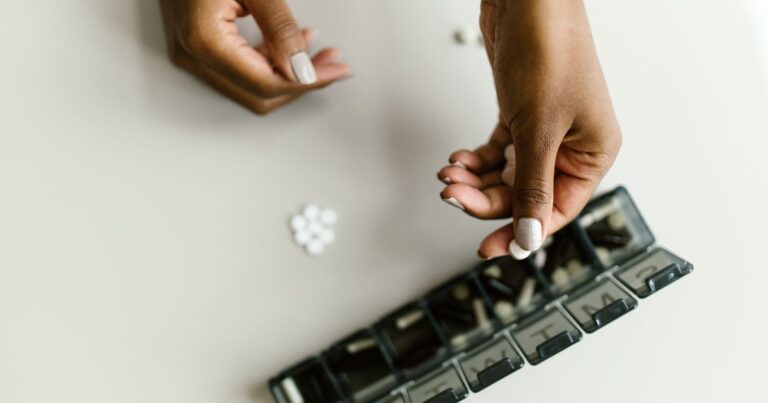
  • Organization Systems: Setting up pill organizers and reminder systems tailored to the patient's daily routine.
  • Education: Teaching the patient and their family about the side effects of new medications and when to call the doctor.
  • Pharmacy Coordination: Working with local Manhattan pharmacies to ensure prescriptions are filled and delivered on time.

Environmental Hazards and Safety in Manhattan Apartments

The physical environment of a New York City apartment can pose significant risks to a recovering patient. Narrow hallways, high-step bathtubs, and cluttered living spaces are common in older buildings near Morningside Heights. As part of the Nursing Assessment, the clinician conducts a thorough home safety sweep. This involves identifying fall risks, ensuring that lighting is adequate, and verifying that the patient can navigate their home with any new mobility aids, such as walkers or canes. Safety is a clinical priority because a single fall can result in a hip fracture or head injury, leading back to an acute care setting.

  • Fall Prevention: Identifying loose rugs, extension cords, and uneven flooring that could cause a trip.
  • Durable Medical Equipment (DME): Ensuring that hospital beds, oxygen concentrators, and shower chairs are correctly assembled and positioned.
  • Emergency Access: Verifying that the patient has a way to call for help and that the building staff or emergency services can gain entry if needed.
  • Nutritional Access: Checking the kitchen setup to ensure the patient can safely prepare meals or access delivered food.

Clinical Oversight for Chronic Condition Management

For patients with chronic illnesses, the period following a stay at Mount Sinai Morningside is a high-risk time for exacerbations. Skilled home nursing provides the clinical oversight necessary to manage these conditions proactively. For example, a nurse can monitor for fluid retention in heart failure patients or blood glucose fluctuations in diabetic patients. This level of care involves regular reporting back to the patient's primary care physician or specialist in the Mount Sinai network. By catching small changes in a patient’s condition early, the nurse can facilitate medical adjustments that prevent the need for an emergency room visit.

  • Vital Sign Monitoring: Daily or weekly tracking of blood pressure, heart rate, and oxygen saturation.
  • Symptom Management: Administering treatments for pain, nausea, or shortness of breath as directed by the physician.
  • Lab Work Coordination: Drawing blood samples in the home for testing, saving the patient a taxing trip to a laboratory.
  • Chronic Disease Education: Helping patients understand the lifestyle changes needed to manage their condition long-term.

The Role of Skilled Nursing in Preventing Readmission

The ultimate goal of Mount Sinai Morningside home nursing is to empower the patient to recover fully and remain in their home. Readmission prevention is a metric of success for both the hospital and the home care agency. Skilled nurses provide the advanced clinical interventions that families cannot perform on their own, such as IV therapy, complex wound care using wound vacs, and catheter management. This professional intervention ensures that the patient's recovery remains on track. Furthermore, the psychological benefit of receiving high-quality care in the comfort of one's own home cannot be understated, as it reduces the stress and anxiety often associated with prolonged hospital stays.

  • Wound Care Management: Preventing infections in surgical incisions through sterile dressing changes and monitoring.
  • IV Therapy: Administering antibiotics or other medications through PICC lines or peripheral IVs.
  • Coordinated Care Transitions: Acting as a bridge between the hospital, the patient, and the community-based doctors.
  • Patient Advocacy: Ensuring the patient’s wishes and needs are communicated clearly to the entire medical team.

Choosing the right support for the transition from the hospital is essential for a safe recovery. ProLife Home Care offers the clinical expertise and local Manhattan knowledge needed to manage complex post-hospital needs effectively. Their dedicated team ensures that every patient receives a personalized home care in NYC experience that prioritizes safety and clinical excellence.

ServiceWhat It IncludesWhy It Matters<br />
Nursing AssessmentFull physical and home safety reviewEstablishes a safe baseline for home recovery.
Medication ReconciliationReview of all new and old prescriptionsPrevents dangerous drug interactions and errors.
Wound and Incision CareSterile dressing changes and infection monitoringReduces the risk of post-surgical complications.
Chronic Care MonitoringRegular checks for heart, lung, and metabolic healthPrevents condition flare-ups and ER visits.
Contact ProLife Home Care NYC for a free clinical assessment:(718) 232 – 2777

Frequently Asked Questions

How soon after leaving Mount Sinai Morningside should home nursing start?

Ideally, the first visit for Mount Sinai Morningside home nursing should occur within 24 to 48 hours of discharge to ensure medication and safety protocols are immediately established.

What does a Nursing Assessment involve during the first visit?

A Nursing Assessment involves a full physical exam, a review of all medications, and an evaluation of the home environment to identify any risks that could interfere with recovery.

Can home nursing handle specialized equipment from the hospital?

Yes, skilled nurses are trained to manage specialized equipment such as oxygen concentrators, wound vacs, and IV pumps that may be required after a stay at Mount Sinai Morningside.

Who coordinates with the doctors at Mount Sinai Morningside?

The home care agency’s clinical supervisor and the assigned field nurse coordinate directly with the hospital’s discharge team and the patient's primary doctors.

What happens if a patient’s condition changes at home?

The home nurse will perform a clinical evaluation and immediately contact the physician to adjust the care plan, potentially preventing a trip back to the emergency room.

Contact ProLife Home Care NYC for a free clinical assessment: (718) 232-2777