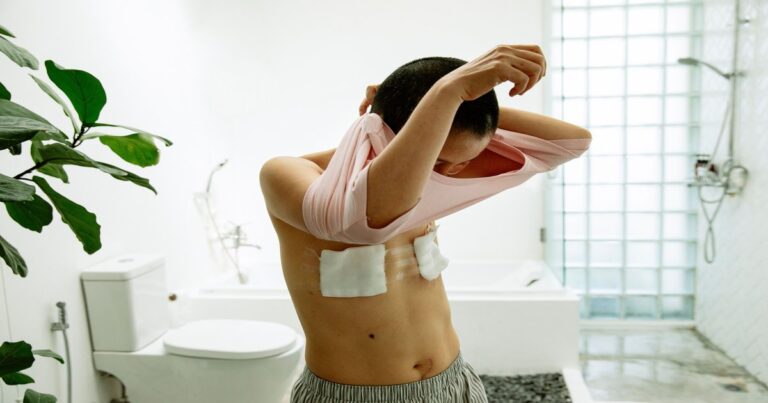
West Side Healing: Navigating Post-Acute Protocols After MS West
Leaving the hospital? Ensure a safe NYC hospital discharge with a clinical strategy from a senior RN. Get the expert care you deserve in your Manhattan home.
Anna Klyauzova, MSN, RNDirector of Patient Services · ProLife Home Care
✓ Medically reviewed
Updated 7 min read
Short answer
Leaving the hospital? Ensure a safe NYC hospital discharge with a clinical strategy from a senior RN. Get the expert care you deserve in your Manhattan home.
As a senior registered nurse with extensive experience in the New York City hospital circuit, I have spent years helping patients navigate the complex journey from acute hospital beds to their private residences. Transitioning from a world-class facility like Mount Sinai West requires more than just a discharge paper; it requires a sophisticated clinical strategy tailored to the unique environment of Manhattan. My role is to ensure that the clinical standards established in the hospital are maintained the moment you cross the threshold of your home, ensuring safety and continuity of care.
A Mount Sinai West home care transition is a specialized clinical process that moves a patient from the hospital setting to a home-based environment while maintaining medical oversight. This specific Manhattan care model focuses on medication management, wound care, and physical rehabilitation to prevent hospital readmission and promote long-term recovery in a familiar setting.
Service
What It Includes
Why It Matters
Skilled Nursing
Medication reconciliation and wound care
Prevents medical errors and infections
Physical Therapy
In-home mobility and strength training
Reduces fall risks in Manhattan apartments
HHA Support
Assistance with bathing and daily tasks
Ensures hygiene and nutritional stability
Care Coordination
Communication with MS West physicians
Maintains continuity of the clinical plan
Frequently asked questions
How do I initiate a Mount Sinai West home care transition?
The process is usually started by the hospital’s discharge planner, who coordinates with a licensed agency like ProLife to ensure Manhattan care begins immediately upon your return home.
What specific Manhattan care services are available for seniors?
Services include skilled nursing, physical and occupational therapy, and home health aides who are familiar with the logistical challenges of living in New York City apartments.
Is specialized nursing included in a Mount Sinai West home care transition?
Yes, depending on the medical necessity, nurses can provide specialized care for cardiac, orthopedic, or neurological conditions tailored to the patient’s specific discharge orders.
Why is local Manhattan care better than generic services?
Local providers understand the specific geography, pharmacy networks, and hospital systems of Manhattan, which allows for faster response times and more accurate care coordination.
How long does the transition support last?
The duration of a Mount Sinai West home care transition depends on the patient’s insurance and clinical needs, but it typically lasts until the patient has reached their maximum functional potential and is medically stable.
Contact ProLife Home Care NYC for a free clinical assessment:(718) 232 – 2777
Questions answered in this article
How do I initiate a Mount Sinai West home care transition?
The process is usually started by the hospital’s discharge planner, who coordinates with a licensed agency like ProLife to ensure Manhattan care begins immediately upon your return home.
What specific Manhattan care services are available for seniors?
Services include skilled nursing, physical and occupational therapy, and home health aides who are familiar with the logistical challenges of living in New York City apartments.
Is specialized nursing included in a Mount Sinai West home care transition?
Yes, depending on the medical necessity, nurses can provide specialized care for cardiac, orthopedic, or neurological conditions tailored to the patient’s specific discharge orders.
Why is local Manhattan care better than generic services?
Local providers understand the specific geography, pharmacy networks, and hospital systems of Manhattan, which allows for faster response times and more accurate care coordination.
The duration of a Mount Sinai West home care transition depends on the patient’s insurance and clinical needs, but it typically lasts until the patient has reached their maximum functional potential and is medically stable. Contact ProLife Home Care NYC for a free clinical assessment:(718)…
14 years in clinical nursing9 years in home careMS, Nursing AdministrationMPA
She has nursed since 2011, at Jacobi Medical Center and then at Mount Sinai, where she ran an operating room team before co-founding ProLife Home Care in 2017. Her profile is public on LinkedIn, and the agency licence is public on NYS Health Profiles.
✓ Got it. Your request is with a coordinator, and we will call you back.
When do you need to start?
Your information is private and secure.
Cookies are small files your browser keeps. Some run the site, the rest just show us which pages people find useful. We don’t sell any of it.The details.
You can change this any time.
Your choice
Either way is fine. Nothing here affects your care, your application, or what you pay.
Changed your mind later? The Cookies link at the bottom of any page brings this back. Full details in our Privacy Policy.