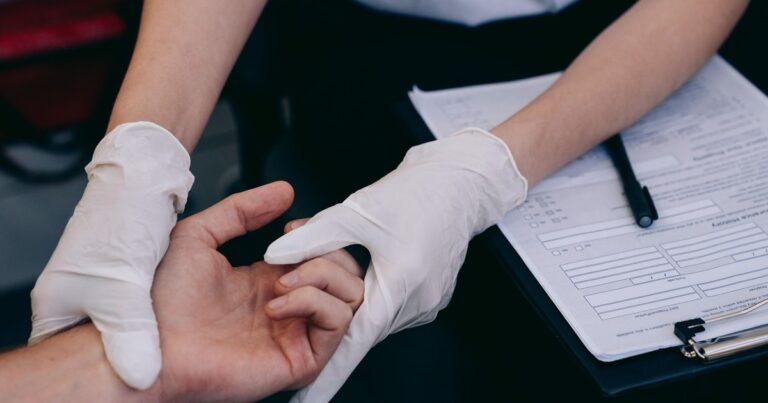
As a senior registered nurse with years of experience navigating the New York City healthcare landscape, I have seen firsthand how critical the transition from the hospital to the home environment truly is. Island Clinical Protocols: Post-Discharge Support for SIUH Patients are designed to ensure that the high level of Northwell Staten Island University Hospital care you receive during your stay continues seamlessly at home. My role often involves educating families that the most dangerous time for a patient is the first forty-eight hours after leaving the clinical setting. By utilizing structured Staten Island Support, we can bridge the gap between acute medical intervention and long-term recovery, ensuring every patient has the tools they need to stay out of the emergency room.
Island Clinical Protocols: Post-Discharge Support for SIUH Patients represent a standardized set of medical and nursing guidelines aimed at stabilizing patients once they leave Northwell Staten Island University Hospital care. These protocols focus on medication adherence, wound management, and early symptom recognition to provide comprehensive Staten Island Support. They are essential for reducing readmission rates and ensuring that recovery goals established in the hospital are met in the home setting.
The Critical Importance of Post-Discharge Protocols in New York
The New York City healthcare system is one of the most complex in the world, and Staten Island presents its own unique set of challenges for patients returning home. When a patient concludes their Northwell Staten Island University Hospital care, they are often sent home with a thick packet of instructions that can be overwhelming for both the patient and their family members. This is where Island Clinical Protocols: Post-Discharge Support for SIUH Patients become vital. These protocols are not just suggestions; they are evidence-based pathways that dictate exactly how a patient should be monitored to prevent complications. In the dense urban environment of Staten Island, where traffic and logistics can make a quick trip back to the doctor difficult, having a robust clinical plan at home is a necessity rather than a luxury.
One of the primary risks identified in these protocols is the mismanagement of medications. In the hospital, nurses handle every pill and injection with precision. Once at home, the responsibility shifts to the patient. Without Staten Island Support, it is common for patients to mix up their pre-hospital medications with new prescriptions, leading to dangerous drug interactions. Clinical protocols provide a framework for “Medication Reconciliation,” a process where every drug is accounted for and cross-referenced. This is a cornerstone of ensuring that the benefits of Northwell Staten Island University Hospital care are not undone by a simple pharmacy error or a misunderstood dosage instruction.
- Standardized Recovery Pathways: These ensure that every patient, regardless of their specific floor at SIUH, receives a baseline of high-quality care at home.
- Integration with Primary Care: Protocols facilitate the flow of information from the hospital specialists back to the patient’s local Staten Island general practitioner.
- Reduction in Emergency Room Visits: By identifying small problems early, we prevent them from becoming the type of crises that require a 911 call.
- Caregiver Empowerment: Protocols give family members a checklist and a schedule, reducing the anxiety of looking after a loved one who has just had surgery or a major illness.
Common Risks During the Transition from SIUH to Home
The “discharge day” is often a day of celebration, but from a clinical perspective, it is a day of high risk. In the Northwell Staten Island University Hospital care system, patients are monitored by advanced telemetry and round-the-clock nursing staff. When that support is suddenly removed, the patient’s physiology can struggle to adapt. Island Clinical Protocols: Post-Discharge Support for SIUH Patients are specifically designed to address these “transition gaps.” For instance, post-surgical patients are at a high risk for Deep Vein Thrombosis (DVT) or pulmonary embolisms. Without proper Staten Island Support to encourage mobility and monitor for swelling, these life-threatening conditions can develop unnoticed in a home setting.
Furthermore, the physical environment of many Staten Island homes can pose significant risks. Older homes with steep stairs, narrow hallways, or bathrooms without grab bars can lead to falls, which are the leading cause of readmission for geriatric patients. Clinical protocols require an environmental assessment to ensure that the recovery space is safe. This proactive approach is a hallmark of professional Northwell Staten Island University Hospital care extensions into the community. We look for everything from trip hazards like area rugs to the adequacy of lighting, ensuring the patient can navigate their home without fear of injury.
- Infection Control: Monitoring surgical sites for redness, warmth, or discharge is a daily requirement under clinical protocols.
- Hydration and Nutrition: Many patients lose their appetite after hospital stays; protocols include monitoring caloric intake to ensure the body has the energy to heal.
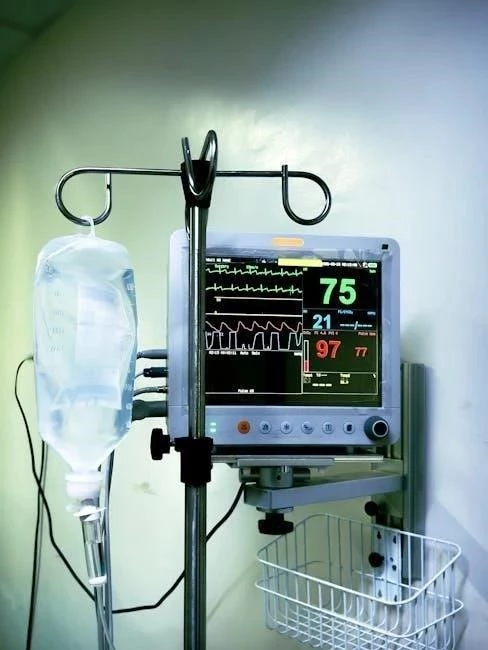
- Respiratory Monitoring: Especially for patients with history of CHF or COPD, tracking oxygen levels and breathing patterns is critical in the first week post-discharge.
- Cognitive Checks: “Post-hospital syndrome” can cause temporary confusion; protocols help families identify when a patient is not acting like themselves.
The Role of Staten Island Support in Chronic Disease Management
For patients dealing with chronic conditions like heart failure, diabetes, or renal disease, the period following a hospital stay is particularly delicate. Island Clinical Protocols: Post-Discharge Support for SIUH Patients provide specific parameters for these populations. For example, a heart failure patient might be instructed to weigh themselves every morning. Under these protocols, a weight gain of more than two pounds in twenty-four hours is a clinical red flag that requires immediate intervention. This level of Staten Island Support allows for pharmacological adjustments to be made at home, often avoiding the need for the patient to return to Northwell Staten Island University Hospital care facilities.
Diabetes management is another area where protocols are essential. Hospitalization often disrupts blood sugar levels due to stress, changes in diet, or steroid medications. Once home, the patient must recalibrate their insulin or oral medications. Professional Staten Island Support ensures that glucose monitoring is performed correctly and that the patient understands how to manage both hypoglycemia and hyperglycemia. Without these protocols, the risk of a metabolic crisis is significantly higher in the weeks following discharge.
- Daily Weight Tracking: A simple but life-saving protocol for cardiac patients to detect fluid retention early.
- Blood Pressure Logs: Ensuring that hypertension is controlled and that medications are not causing dangerous drops in pressure (orthostatic hypotension).
- Wound Care Management: Professional dressing changes for diabetic ulcers or surgical incisions to prevent sepsis.
- Dietary Compliance: Education on low-sodium or renal diets that are often prescribed during Northwell Staten Island University Hospital care.
Practical Steps for Families Implementing Clinical Protocols
When a loved one is discharged, the family becomes the primary “nursing staff.” To successfully implement Island Clinical Protocols: Post-Discharge Support for SIUH Patients, families must be organized and proactive. The first step is to establish a designated “care station” in the home. This area should contain all discharge paperwork, a list of current medications, and a logbook to record vitals and symptoms. This organization is a key part of effective Staten Island Support, as it allows visiting nurses or doctors to quickly see the patient’s progress over the previous days.
Another practical step is to ensure that all follow-up appointments are scheduled before the patient even leaves Northwell Staten Island University Hospital care. In the busy NYC medical system, waiting weeks for a follow-up can be disastrous. Clinical protocols emphasize the “7-day rule,” where a patient should be seen by a primary care physician or specialist within one week of discharge. This visit serves as a critical safety check to ensure that the home-based recovery is on the right track and that no new issues have emerged since leaving the hospital.
- Organize Medications: Use a pill organizer and set alarms on a smartphone to ensure no doses are missed.
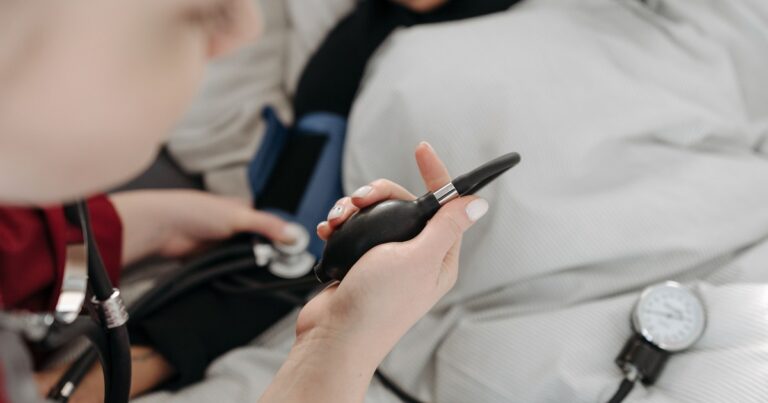
- Monitor Vitals: Purchase a reliable blood pressure cuff and thermometer to keep accurate records for the medical team.
- Check for Red Flags: Keep a visible list of “when to call the doctor” (e.g., fever over 101, sudden shortness of breath, increased pain).
- Limit Visitors: While friends want to help, the first few days should be focused on rest and infection prevention.
The Impact of Specialized Support on Long-Term Outcomes
Research consistently shows that patients who receive structured Staten Island Support after their Northwell Staten Island University Hospital care have significantly better long-term outcomes. This isn’t just about surviving the first week; it’s about returning to a high quality of life. Island Clinical Protocols: Post-Discharge Support for SIUH Patients are designed to transition a patient from “sick” to “functioning.” This includes physical therapy protocols that help a patient regain their strength and occupational therapy that helps them learn how to perform daily tasks safely. Recovery is a marathon, not a sprint, and the protocols provide the pacing and the roadmap for that journey.
In the borough of Staten Island, where community ties are strong, the goal of these protocols is also to keep the population healthy and active. By preventing readmissions, we reduce the strain on the Northwell Staten Island University Hospital care system, ensuring that hospital beds are available for those in acute need while others recover comfortably in their own homes. The success of these clinical protocols relies on a partnership between the hospital, the home care provider, and the family. When these three pillars work together, the patient has the best possible chance of a full recovery.
- Improved Functional Mobility: Protocols that include physical therapy lead to faster returns to walking and independent movement.
- Mental Health Support: Recognizing the signs of post-discharge depression or anxiety is a key part of holistic protocols.
- Better Sleep Quality: Recovering at home allows for better rest, which is essential for the body’s cellular repair processes.
- Family Peace of Mind: Knowing there is a clinical plan in place reduces the emotional burden on the patient’s support system.

Navigating the Staten Island Healthcare Landscape
Staten Island is often called the “forgotten borough,” but when it comes to healthcare, the Northwell Staten Island University Hospital care network provides world-class services. However, the geographic isolation of certain parts of the island means that Staten Island Support must be localized and accessible. Island Clinical Protocols: Post-Discharge Support for SIUH Patients are tailored to the specific demographics of our community. Whether you are in Tottenville or St. George, the protocols remain the same high standard, but the delivery of care must account for local factors such as transportation and proximity to pharmacies.
Choosing a home care partner that understands these specific protocols is the final piece of the puzzle. It is not enough to just have “help” at home; you need clinical oversight that understands the specific requirements of Northwell Staten Island University Hospital care. This means having professionals who can speak the language of the hospital doctors and translate that into actionable steps at the bedside. By adhering to the Island Clinical Protocols, patients can rest assured that they are receiving a continuum of care that rivals any in the city.
- Local Knowledge: Providers who understand the Staten Island geography can provide more timely and consistent support.
- Specialized Training: Nurses who are trained specifically in SIUH protocols understand the nuances of the hospital’s discharge orders.
- Resource Connection: Staten Island Support involves connecting patients with local medical supply stores and specialized pharmacies.
- Community Continuity: Long-term wellness is achieved when the patient feels supported by their local Staten Island healthcare network.
| Service | What It Includes | Why It Matters |
|---|---|---|
| Medication Management | Comprehensive review and daily organization of all prescriptions. | Prevents dangerous drug interactions and dosage errors. |
| Clinical Vital Monitoring | Daily tracking of blood pressure, heart rate, and oxygen levels. | Detects early warning signs of complications before they become crises. |
| Wound and Incision Care | Professional dressing changes and monitoring for signs of infection. | Ensures proper healing and prevents the need for surgical revision. |
Frequently asked questions
What are Island Clinical Protocols?
They are standardized clinical guidelines that ensure patients transitioning from Northwell Staten Island University Hospital care receive consistent, high-quality medical monitoring at home.
Why is Staten Island Support vital after SIUH discharge?
It provides a safety net that bridges the gap between the hospital’s intensive monitoring and the patient’s independence, reducing the risk of readmission.
How do these protocols improve Northwell Staten Island University Hospital care?
They extend the hospital’s clinical excellence into the home, ensuring that the treatment plan started by doctors is successfully completed during recovery.
When should Island Clinical Protocols begin?
These protocols should be initiated immediately upon the patient’s arrival at home to cover the high-risk 48-hour post-discharge window.
What is the most common concern addressed by Staten Island Support?
The primary concern is often medication confusion; protocols address this through strict reconciliation and family education to ensure safety.
Contact ProLife Home Care NYC for a free clinical assessment:(718) 232 – 2777