HSS Recovery: specialized Nursing After Major Orthopedic Surgery

28.03.2026 | Verified by Anna Klyauzova, MSN, RN

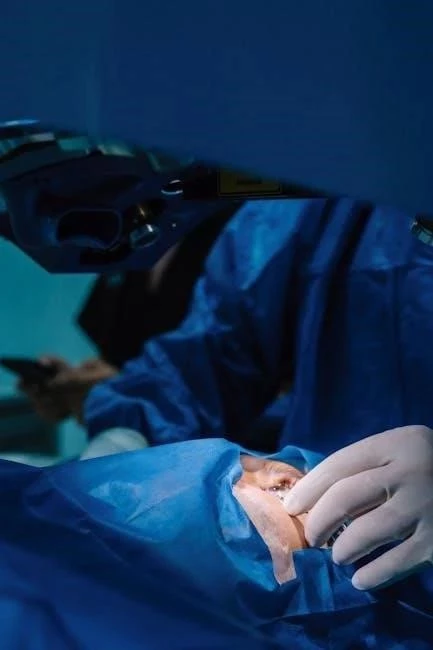
As a senior Registered Nurse practicing within the demanding healthcare landscape of New York City, I have guided countless patients through the complex transition from the hospital to their own homes․ When it comes to Hospital for Special Surgery post-op home care, the standards are exceptionally high because the surgical precision at HSS requires an equally precise recovery plan․ My role is to ensure that the clinical excellence achieved in the operating room is maintained through diligent monitoring and structured Knee Surgery Rehab in the home environment․

Specialized nursing after major orthopedic surgery provides the clinical oversight necessary to manage pain, monitor wound healing, and prevent post-operative complications like blood clots or infections․ This care ensures that your Knee Surgery Rehab protocol is followed exactly as prescribed by your HSS surgeon to maximize mobility and long-term joint function․

In my clinical experience serving the New York area, the most critical window for orthopedic recovery is the first 72 hours post-discharge․ A common mistake I see is patients underestimating the complexity of pain management; once pain becomes “uncontrolled,” it significantly delays the start of Knee Surgery Rehab, leading to joint stiffness that is difficult to reverse․ Real clinical success involves proactive analgesic administration and immediate, gentle mobilization, which is only safely achievable with a professional nurse who understands the specific HSS protocols and the risks of NYC-specific environmental stressors․

The High Standards of HSS and the Transition to Home Care

The Hospital for Special Surgery (HSS) is globally recognized for its orthopedic excellence, but the surgery itself is only the first half of a successful outcome․ The second half happens in the home, where the environment is less controlled than a hospital wing․ Hospital for Special Surgery post-op home care is designed to bridge this gap, bringing the same level of orthopedic expertise into your living room․ In the fast-paced environment of New York, where stairs, narrow hallways, and busy schedules are the norm, having a specialized nurse ensures that the patient does not cut corners in their recovery․

HSS patients are often given very specific discharge instructions that can be overwhelming․ These instructions cover everything from anticoagulant medication schedules to complex physical therapy exercises․ A dedicated home care nurse acts as a clinical liaison, translating these instructions into a manageable daily routine․ We look for the subtle signs of trouble that a family member might miss, such as localized warmth that could indicate a deep vein thrombosis (DVT) or slight changes in the appearance of a surgical incision that could signal the beginning of an infection․ In New York’s complex healthcare system, having a professional who can communicate directly with the HSS surgical team is invaluable for preventing readmission․

Furthermore, the psychological transition from a high-tech hospital to a quiet home can be jarring for many New Yorkers․ The sudden absence of 24-hour monitoring can lead to anxiety, which in turn can increase the perception of pain․ Professional nursing care provides not just physical support, but the peace of mind that allows the patient to focus entirely on their healing․ By ensuring the home environment is set up for safety-removing trip hazards like area rugs and ensuring proper lighting-the nurse creates a foundation for a successful Knee Surgery Rehab process․

The Crucial Components of Knee Surgery Rehab in the Home Setting

Knee Surgery Rehab is not a passive process; it is an active, often challenging journey that requires consistency and correct form․ When a patient returns home after a total or partial knee replacement, the primary goal is to restore range of motion while managing the inevitable swelling and pain․ A specialized nurse works alongside the physical therapist to ensure that the patient is performing their exercises correctly throughout the day, not just when the therapist is present․ This continuous reinforcement is what separates an average recovery from an exceptional one․

Early mobilization is the cornerstone of Knee Surgery Rehab․ Within the first week, we focus on extension-getting the knee completely straight-and gradually increasing flexion․ Using tools like the Continuous Passive Motion (CPM) machine or specialized ice compression units like the Game Ready system requires technical knowledge to ensure they are used safely and effectively․ A nurse monitors the skin under these cooling units to prevent thermal injury, a risk that is often overlooked in home settings․ We also ensure that the patient is gait-training correctly with their walker or crutches, preventing falls that could lead to catastrophic surgical failure․

  • Daily monitoring of range of motion progress to meet HSS milestones․
  • Supervision of prescribed strengthening exercises to support the new joint․
  • Education on proper limb positioning to reduce edema and prevent stiffness․
  • Coordination with physical therapists to adjust the intensity of rehab based on clinical signs․

In New York City, where space is often limited, we adapt the Knee Surgery Rehab plan to the specific layout of the patient’s home․ Whether it is a brownstone with multiple flights of stairs or a modern high-rise, we ensure the patient can navigate their specific environment safely․ This practical application of rehab exercises is essential for the patient to regain their independence and return to the active NYC lifestyle they enjoy․

Managing Clinical Risks: DVT Prevention and Wound Integrity

One of the most significant risks following major orthopedic surgery is the development of a Deep Vein Thrombosis (DVT), which can lead to a life-threatening pulmonary embolism․ Hospital for Special Surgery post-op home care places a heavy emphasis on venous thromboembolism (VTE) prophylaxis․ This involves not only the administration of blood thinners like aspirin or Lovenox but also the regular assessment of the lower extremities for swelling, redness, and tenderness․ In the home, where patients might spend too much time sitting or lying down, the nurse's role in encouraging “ankle pumps” and frequent short walks is vital․

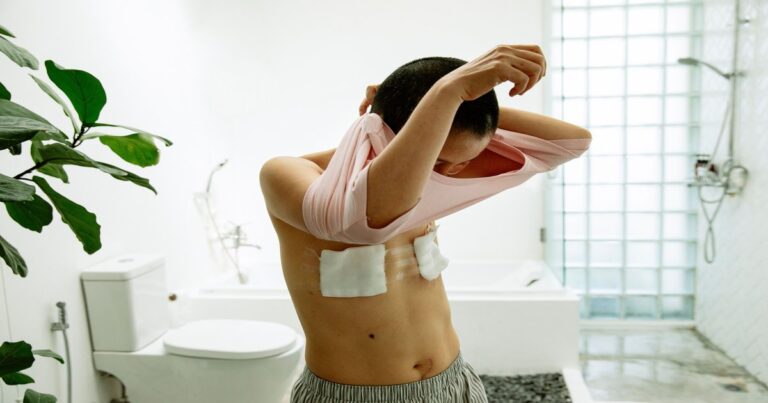
Wound care is another critical area where professional nursing is indispensable․ HSS surgeons often use advanced closure techniques, including waterproof dressings or silver-impregnated bandages․ A specialized nurse knows how to assess these dressings without compromising the sterile field․ We look for signs of drainage, dehiscence, or cellulitis․ In the humid New York summers or the dry heat of winter apartments, skin integrity can change quickly․ We manage the incision site to ensure it heals cleanly, which is the first line of defense against periprosthetic joint infection-a complication that every orthopedic patient wants to avoid․

Pain management is intrinsically linked to risk management․ If pain is not controlled, the patient will not move; if they do not move, the risk of DVT and pneumonia increases․ We use a multimodal pain management approach, which often includes scheduled non-opioid medications, prn (as needed) opioids, and non-pharmacological interventions like icing and elevation․ By carefully charting the timing and effect of these medications, the nurse helps the patient stay ahead of the “pain curve,” which is essential for participation in Knee Surgery Rehab․

Navigating the NYC Landscape for Orthopedic Recovery

Recovering from surgery in New York City presents a unique set of challenges that are not typically discussed in standard medical brochures․ From the logistical difficulty of getting prescriptions delivered in a crowded borough to the noise levels that can interfere with much-needed rest, the NYC environment requires a specialized approach․ Hospital for Special Surgery post-op home care involves more than just clinical tasks; it involves environmental management․ We assist in coordinating the delivery of specialized medical equipment and ensuring that the patient’s home setup is conducive to recovery․

For many New Yorkers, the transition involves moving from a hospital bed to a platform bed or a low sofa, which can be dangerous for a new knee or hip․ A nurse assesses these heights and suggests modifications, such as using risers or firm cushions․ We also consider the “last mile” of recovery-getting the patient from their apartment to their follow-up appointments at HSS․ This might involve navigating elevators or even a few steps in a walk-up building․ A professional nurse can help plan these outings, ensuring the patient has adequate pain coverage and support to make the trip safely․

  • Assessing apartment safety to prevent falls on NYC’s varied flooring types․
  • Managing the logistics of medical supply deliveries in busy neighborhoods․
  • Providing advocacy for the patient when dealing with local pharmacies and doctors․
  • Ensuring the patient remains hydrated and nourished, considering the availability of local food delivery․

The fast-paced nature of New York can often make patients feel pressured to return to work or social activities too soon․ A senior RN provides the necessary perspective, reminding the patient that the biological healing process cannot be rushed, regardless of the city’s tempo․ This guidance is crucial for long-term success and for ensuring the Knee Surgery Rehab is not compromised by premature activity․

The Importance of Professional Nursing in Pain Management

Pain management is one of the most complex aspects of Hospital for Special Surgery post-op home care․ Modern orthopedic surgery often utilizes nerve blocks that provide excellent relief for the first 12 to 24 hours, but when these blocks wear off, patients can experience a sudden and intense “rebound pain․” A nurse who is experienced with HSS protocols knows exactly when this transition is likely to occur and prepares the patient with oral medications before the block completely fades․ This proactive approach prevents the patient from falling into a cycle of severe pain and rescue dosing․

We also educate the patient and their family on the difference between “expected surgical pain” and “warning sign pain․” This distinction is vital for the patient’s emotional well-being․ Knowing that some discomfort during Knee Surgery Rehab is normal-and actually a sign of progress-helps the patient push through the difficult exercises․ At the same time, we monitor for side effects of pain medications, such as constipation, nausea, or respiratory depression, which are common but manageable with professional intervention․ The goal is to find the “sweet spot” where the patient is comfortable enough to sleep and move, but not so sedated that they become a fall risk․

Furthermore, we utilize non-pharmacological techniques that are often more effective than medication alone․ This includes the RICE method (Rest, Ice, Compression, Elevation) tailored specifically to the post-op orthopedic patient․ We ensure that ice is applied for the correct duration and that elevation is done at the proper height (above the heart) to truly reduce swelling․ These small details, managed by a professional nurse, significantly enhance the overall recovery experience and the effectiveness of the Knee Surgery Rehab․

Long-term Outcomes and Avoiding Hospital Readmission

The ultimate goal of Hospital for Special Surgery post-op home care is to ensure that the patient never has to return to the hospital for a complication․ Readmissions are not only stressful and expensive but can also compromise the integrity of the surgical repair․ By providing high-level clinical surveillance in the home, we identify and address minor issues before they become emergencies․ For example, a slight increase in calf swelling can be addressed with a prompt ultrasound and medication adjustment, rather than a midnight trip to the ER for a full-blown pulmonary embolism․

As the recovery progresses, the nurse’s role evolves from acute care to health coaching․ We help the patient transition from the intensive early phase of Knee Surgery Rehab to a more sustainable long-term exercise program․ We ensure that they understand their long-term restrictions, such as avoiding high-impact activities if recommended by their surgeon, to protect the longevity of their new joint․ This education is the key to a permanent improvement in the patient’s quality of life․

ProLife Home Care offers the specialized expertise required to manage the rigorous recovery protocols of New York’s top orthopedic surgeons․ Our dedicated nursing staff ensures that every aspect of your recovery is handled with clinical precision and personalized care․ Learn more about how we support your journey through knee replacement home care and expert post-operative support․

ServiceWhat It IncludesWhy It Matters<br />
Clinical AssessmentVital signs, wound check, and lung soundsDetects early signs of infection or DVT․
Medication TitrationManaging nerve block transitions and opioidsEnsures pain stays controlled for rehab․
Rehab SupervisionAssisting with HSS-specific knee exercisesPrevents joint stiffness and builds strength․
Contact ProLife Home Care NYC for a free clinical assessment:(718) 232 – 2777

Frequently Asked Questions

Write a question about HSS Recovery: specialized Nursing After Major Orthopedic Surgery?

Specialized nursing ensures that the high standards of the Hospital for Special Surgery are maintained at home through expert wound care and monitoring․

How does nursing support Knee Surgery Rehab at home?

A nurse ensures that you stay ahead of pain, allowing you to perform your physical therapy exercises more effectively and consistently․

What are the risks of recovering without specialized nursing in NYC?

Risks include unmanaged pain, missed signs of blood clots, and falls due to the complex layout of many New York City apartments․

When should Hospital for Special Surgery post-op home care begin?

Home care should ideally begin the day you are discharged to ensure a seamless transition and immediate start to pain management protocols․

Will a nurse help with the technical equipment used in HSS recovery?

Yes, a specialized nurse manages equipment like cryotherapy units and CPM machines to ensure they are used safely and effectively․

Contact ProLife Home Care NYC for a free clinical assessment: (718) 232-2777