As a senior registered nurse with extensive experience in the New York City healthcare system, I have assisted many families transitioning from acute hospital settings to the home environment․ When a patient finishes a treatment cycle at the NYU Langone Perlmutter Cancer Center home care becomes a vital component of their long-term recovery and comfort․ It is my responsibility to ensure that the high standards of clinical excellence established by the oncology team are maintained within the patient’s residence․ Providing Cancer Patient Support in a complex environment like New York requires a blend of clinical precision, rapid response times, and compassionate communication․
Specialized home nursing for patients at the NYU Langone Perlmutter Cancer Center provides critical medical oversight, including symptom management, infusion care, and medication administration․ This service ensures that Cancer Patient Support is accessible 24/7, reducing the risk of complications and preventing unnecessary hospital readmissions․ By bridging the gap between clinical visits and home recovery, these nurses provide a safety net for both patients and their families․
From a clinical RN perspective, the most dangerous period for an oncology patient in New York is the 48-hour window following a chemotherapy infusion․ In our city, environmental factors such as long elevator waits in high-rise buildings or the stress of navigating crowded streets can exacerbate patient fatigue and dehydration․ A common mistake is waiting too long to report a low-grade fever or a slight change in cognitive function, which can quickly spiral into a systemic infection․ Expert home nursing interventions during this window are not just about comfort; they are about life-saving vigilance and immediate triage․
The Critical Importance of Specialized Oncology Nursing in New York City
- Navigating the complex healthcare landscape: New York City is home to some of the world’s leading cancer facilities, but the transition from a world-class center like NYU Langone Perlmutter Cancer Center to a private residence can be jarring․ A specialized nurse acts as a navigator who understands the specific protocols of the oncology team․
- Medication Management and Safety: Oncology patients often have a highly complex list of medications, including oral chemotherapy, anti-emetics, and pain management drugs․ Ensuring these are taken at the correct intervals and monitoring for adverse reactions is a primary duty of the home care nurse․
- Monitoring for Neutropenia: One of the greatest risks for cancer patients is a drop in white blood cell counts․ In a dense urban environment, exposure to pathogens is high, making strict infection control and early detection of fever a top priority․
- PICC Line and Port-a-Cath Maintenance: Proper care of central venous access devices is essential to prevent bloodstream infections․ Home nurses are trained to flush these lines and change dressings using sterile techniques that exceed standard home care requirements․
- Managing Treatment Side Effects: From severe nausea and neuropathy to skin changes caused by radiation, a nurse provides immediate interventions that keep the patient comfortable and prevent the escalation of symptoms․
- Communication with the Oncology Team: The home nurse serves as the eyes and ears of the Perlmutter oncologist, providing real-time data on the patient's status and ensuring that any concerns are addressed before the next scheduled clinic visit․
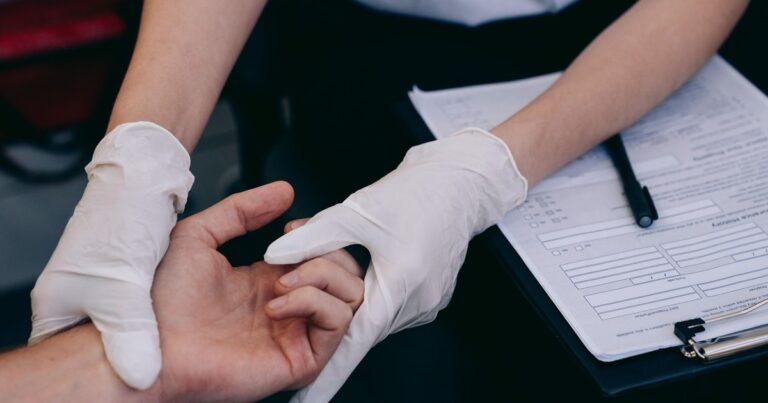
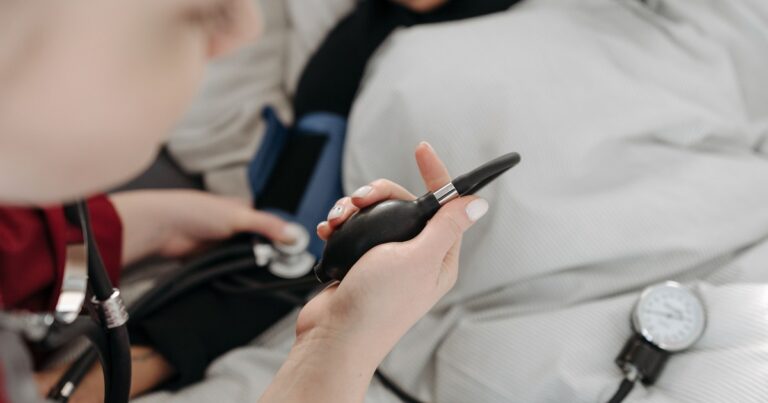
The role of a specialized nurse in the home goes far beyond simple assistance․ In the context of cancer care, the nurse must be a skilled clinician capable of performing assessments that are typically done in a hospital setting․ This includes monitoring vital signs, assessing lung sounds, and checking for edema or signs of blood clots, which are common risks for patients undergoing active treatment․ In the five boroughs, where access to immediate emergency care can be delayed by traffic or hospital boarding times, having a professional on-site to stabilize a patient or make the call for an ambulance is invaluable․
Enhancing Cancer Patient Support Through Holistic Home Care
- Nutritional Guidance: Weight loss and malnutrition are significant hurdles during cancer treatment․ Nurses work with dietitians to ensure patients are meeting their caloric needs despite changes in taste or appetite․
- Emotional and Psychological Support: A cancer diagnosis is a heavy burden for the patient and the family․ Home nursing provides a consistent presence that offers reassurance and mental health resources to cope with the stress of the journey․
- Physical Therapy Integration: Recovery often involves rebuilding strength․ Home nurses coordinate with physical therapists to ensure that the patient is moving safely and maintaining as much independence as possible․
- Pain Management Optimization: Chronic and acute pain can significantly diminish the quality of life․ Nurses monitor the effectiveness of pain protocols and advocate for adjustments when the current regimen is insufficient․
- End-of-Life and Palliative Care: When the focus shifts to comfort, specialized nurses provide the expertise needed to manage symptoms and support the patient's dignity in their own home․
- Family Caregiver Training: Empowering family members to provide basic care safely is a core component of the nurse's role․ This includes training on how to assist with mobility, recognize emergency signs, and manage daily hygiene․
Holistic support means looking at the patient as a whole person, not just a diagnosis․ In NYC, this also means considering the social determinants of health, such as whether a patient has access to clean water, a quiet environment for rest, and the ability to get their prescriptions delivered․ The specialized home care nurse investigates these factors and works with social workers to bridge any gaps․ This comprehensive approach ensures that the medical treatment provided at the Perlmutter Cancer Center is not undermined by the challenges of daily life at home․
Advanced Symptom Management and Risk Mitigation at Home
- Early Detection of Dehydration: Many oncology patients struggle to maintain fluid intake․ Nurses can monitor for signs of dehydration and coordinate with the physician to initiate home IV hydration if necessary․
- Managing “Chemo Brain”: Cognitive changes can make it difficult for patients to remember their care instructions․ Nurses provide tools, charts, and reminders to keep the treatment plan on track․
- Skin and Wound Care: For patients who have undergone surgery or radiation, specialized wound care is necessary to prevent infection and promote healing․
- Respiratory Support: Monitoring oxygen saturation and providing breathing treatments can help patients with lung involvement or those experiencing shortness of breath as a side effect․
- Fall Prevention in the Home: Cancer treatments often cause weakness and balance issues․ Nurses perform environmental assessments to remove trip hazards and recommend assistive devices․
- Hydration and Electrolyte Balance: Monitoring for imbalances that can cause cardiac issues or severe weakness is a critical clinical task performed during home visits․
The clinical expertise required to manage these symptoms cannot be overstated․ An oncology nurse must be able to differentiate between a common side effect and a life-threatening emergency․ For instance, shortness of breath could be simple fatigue, or it could be a pulmonary embolism, which cancer patients are at a higher risk for․ In the fast-paced environment of New York, the ability of a nurse to make these distinctions quickly can save a patient from a long and stressful stay in a crowded emergency room․ This level of care provides a sense of security that is essential for the patient’s mental well-being and overall recovery trajectory․
Navigating the Challenges of Home Care in the Five Boroughs
- Transportation and Access: For many NYU Langone Perlmutter patients, getting back and forth to Manhattan from the outer boroughs for every small concern is impossible․ Home care brings the clinic to the patient․
- Managing Care in Small Spaces: New York apartments often present unique challenges for medical equipment․ Nurses are experts at organizing the home environment to make care efficient and safe․
- Cultural Competence: NYC is a melting pot of cultures․ Nurses must be sensitive to the diverse backgrounds, languages, and dietary preferences of their patients to provide effective care․
- Emergency Preparedness: In a city prone to transit delays and occasional power outages, having a home care plan that includes emergency contingencies is vital for medically fragile patients․
- Coordination with Local Pharmacies: Ensuring that specialized oncology medications are available and delivered on time requires constant communication between the nurse and the pharmacist․
- Utilization of Telehealth: Home nurses often facilitate telehealth visits between the patient and their oncologist, ensuring that the doctor can see the patient's progress virtually․
Living in New York City while battling cancer adds a layer of logistical stress that can hinder recovery․ The noise, the pace, and the physical demands of the city are significant factors․ A specialized home care nurse acts as a buffer against these stressors․ By managing the medical details and coordinating the logistics of care, the nurse allows the patient to focus entirely on healing․ This is particularly important for those who live in walk-up apartments or in neighborhoods where access to specialized medical supplies is limited․ The goal is to create a sanctuary for healing within the busy urban environment․

The Impact of Home Nursing on Long-term Oncology Outcomes
- Reduced Hospital Readmission Rates: Statistics show that oncology patients with consistent home nursing support are significantly less likely to be readmitted to the hospital within 30 days of treatment․
- Improved Treatment Compliance: Having a professional monitor the treatment schedule ensures that the patient does not miss doses of vital medication․
- Enhanced Quality of Life: Being able to stay at home rather than in a hospital bed has profound psychological benefits that contribute to physical recovery․
- Better Pain Control: Consistent monitoring and adjustment of pain medications lead to more stable and effective pain management․
- Faster Recovery Times: With professional care, patients often regain their strength and independence more quickly than those without specialized support․
- Increased Patient and Family Satisfaction: The peace of mind that comes with professional medical oversight is frequently cited as the most valuable aspect of home care․
When we look at the trajectory of a cancer patient's journey, the time spent at home is where the real work of recovery happens․ While the intensive treatments occur at centers like NYU Langone Perlmutter Cancer Center, the daily management of health, nutrition, and mental stamina occurs in the patient’s own living room․ Specialized nursing ensures that this time is productive and safe․ By focusing on preventative care and early intervention, we not only improve the immediate experience of the patient but also contribute to the success of the overall oncology treatment plan․ This is the essence of true excellence in home nursing․
Practical Steps for Families Transitioning to Home Oncology Care
- Start the Planning Early: Do not wait until the day of discharge to look for home care services․ Begin the conversation with the hospital social worker or discharge planner early in the treatment cycle․
- Verify Insurance Coverage: Understand what your insurance plan covers regarding home nursing and what might be an out-of-pocket expense․
- Prepare the Home Environment: Clear pathways, install grab bars in the bathroom, and ensure there is a comfortable place for the nurse to work․
- Organize Medical Records: Keep a dedicated folder for discharge summaries, medication lists, and contact information for the oncology team․
- Establish a Support Network: Identify which friends or family members can help with non-medical tasks like grocery shopping or laundry․
- Communicate Your Goals: Make sure the home care agency knows what is most important to you, whether it is pain management, maintaining mobility, or emotional support․
Taking these practical steps can significantly reduce the anxiety associated with bringing a loved one home after a major treatment or surgery․ The transition should be a seamless handoff from the hospital staff to the home care team․ In New York, where resources are plentiful but often difficult to coordinate, being proactive is key․ By choosing a partner that understands the specific needs of Perlmutter patients, families can ensure that they are not alone in this journey․ The right support system makes all the difference in navigating the ups and downs of cancer recovery with confidence and grace․
ProLife Home Care is the premier choice for families seeking excellence in oncology support, providing highly trained nurses who understand the complexities of cancer treatment․ Our team ensures that patients receive the highest standard of medical supervision and compassionate care in the comfort of their own homes․ To learn more about our specialized services, please visit our page on Cancer Patient Support․
Service | What It Includes | Why It MattersOncology Nursing | Chemotherapy side effect monitoring and PICC line care | Ensures clinical safety and prevents life-threatening infections at home․
Symptom Management | Pain, nausea, and fatigue tracking with immediate intervention | Increases patient comfort and reduces the need for emergency room visits․
Care Coordination | Direct communication between home nurses and Perlmutter doctors | Ensures the treatment plan is followed accurately and updated as needed․Contact ProLife Home Care NYC for a free clinical assessment:(718) 232 – 2777
Frequently Asked Questions
What is the benefit of NYU Langone Perlmutter Cancer Center home care?
It allows patients to receive high-level clinical monitoring and symptom management in their own environment, reducing the stress of traveling to Manhattan for every minor concern․
How does home nursing provide Cancer Patient Support?
Nurses provide medication management, emotional support, and early detection of complications like infection or dehydration, which are critical for cancer recovery․
Is home care safe for patients recently discharged from oncology surgery?
Yes, specialized nurses are trained in surgical site care and monitoring for post-operative complications, ensuring a safe transition from the hospital․
Can home nurses manage chemotherapy side effects?
Absolutely, nurses are experts in managing nausea, neuropathy, and fatigue, and they can coordinate with doctors to adjust medications in real-time․
How do I start home care after treatment at Perlmutter?
You should consult with your discharge planner or contact a specialized agency like ProLife Home Care to coordinate a seamless transition before you leave the hospital․
Contact ProLife Home Care NYC for a free clinical assessment: (718) 232-2777