FiDi Recovery: Private Nursing for NYP Lower Manhattan

28.03.2026 | Verified by Anna Klyauzova, MSN, RN

As a senior registered nurse with years of experience navigating the complex medical landscape of downtown Manhattan, I have seen firsthand how critical the transition from hospital to home is for patients at NewYork-Presbyterian Lower Manhattan. The Financial District presents unique challenges, from high-rise living to the fast-paced nature of the neighborhood, making professional oversight essential for a safe recovery. My goal is to ensure that every patient understands that NewYork-Presbyterian Lower Manhattan discharge care is not just about leaving the building, but about establishing a clinical safety net in their own home.

FiDi Recovery through private nursing provides specialized, one-on-one clinical support for patients transitioning from NewYork-Presbyterian Lower Manhattan to their private residences. These services ensure medication reconciliation, wound management, and vital sign monitoring to facilitate a safe return to Independent Living while minimizing the risk of hospital readmission.

In the clinical setting of Lower Manhattan, the greatest risk to a patient is the “48-hour gap” immediately following discharge. Many patients overestimate their physical stamina or fail to properly manage complex medication schedules once they are away from the hospital's automated systems. From a nursing perspective, the most common mistake is neglecting the early signs of infection or fluid overload, which can escalate rapidly without professional intervention. Having a private nurse on-site during this window allows for real-time assessment and immediate communication with the primary care team, which is often the difference between a steady recovery and an emergency room return.

The Evolving Landscape of Healthcare in the Financial District

  • The Density of Downtown Care: NewYork-Presbyterian Lower Manhattan serves as the primary medical hub for the Financial District (FiDi), Battery Park City, and the Seaport. The sheer volume of patients means that discharge processes are highly structured but can feel rapid for the patient and their family.
  • High-Rise Recovery Challenges: Recovering in a FiDi luxury high-rise or a historic loft requires specific logistics. Navigating elevators, coordinating pharmacy deliveries, and managing the isolation that can come with urban living are factors that nurses must account for.
  • The Shift Toward Home-Based Care: There is a significant trend in NYC healthcare toward moving acute care into the home environment. This transition allows patients to heal in a familiar setting, which has been shown to reduce cortisol levels and improve sleep quality, both of which are vital for immune function and tissue repair.
  • Maintaining Independent Living: For many residents in downtown Manhattan, the ultimate goal of recovery is returning to a state of Independent Living. Private nursing acts as the bridge that provides enough support to prevent complications while encouraging the patient to regain their autonomy.
  • Technological Integration: Modern recovery in NYC often involves remote monitoring tools. A private nurse can help manage these devices, ensuring that the data sent back to the physicians at NewYork-Presbyterian is accurate and timely.

Navigating NewYork-Presbyterian Lower Manhattan Discharge Care

The discharge process at NewYork-Presbyterian Lower Manhattan is a comprehensive procedure designed to ensure patient safety. However, once the patient crosses the threshold of the hospital, the responsibility of care shifts. This is where private nursing becomes an invaluable asset. Clinical professionals help interpret the discharge summary, which often contains complex instructions regarding new medications, physical therapy schedules, and follow-up appointments.

  • Medication Reconciliation: One of the most dangerous points in a patient’s journey is the introduction of new prescriptions alongside existing ones. A private nurse reviews all medications to prevent adverse drug interactions, a common cause of post-discharge complications in NYC.
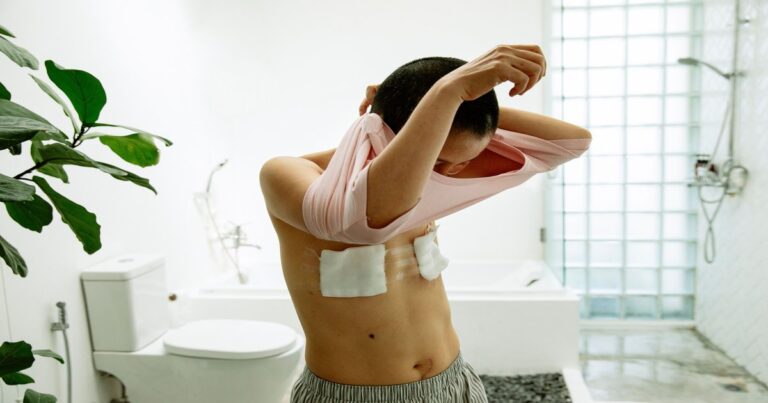
  • Wound and Incision Care: For those recovering from surgical procedures at NYP Lower Manhattan, monitoring incisions for redness, warmth, or drainage is critical. Professional nurses provide sterile dressing changes and can identify early signs of sepsis or localized infection.
  • Vital Sign Stability: In the hospital, machines monitor your heart rate and oxygen levels 24/7. At home, a private nurse brings that level of clinical scrutiny, using professional-grade equipment to ensure the patient remains stable during the initial days of FiDi recovery.
  • Communication with Surgeons: Private nurses act as the clinical liaison between the patient in their FiDi home and their surgical team at the hospital. They use professional terminology to report concerns, ensuring that the doctor receives a clear and actionable update.
  • Nutritional Support: Recovery requires specific caloric and nutrient intake. Nurses work with patients to ensure they are following prescribed diets, such as low-sodium or high-protein regimens, which are essential for healing.

The Risks of Improper Recovery in an Urban Environment

Lower Manhattan is a vibrant but demanding environment. For a patient who has just undergone surgery or treatment for a major illness, the noise, pace, and physical demands of NYC can be overwhelming. Without a dedicated professional, several risks become prevalent.

  • The Risk of Falls: NYC apartments, while modern, can have layouts that are difficult for someone with limited mobility. A nurse performs a home safety assessment to mitigate fall risks, which are a leading cause of readmission.
  • Social Isolation and Mental Health: Recovery can be lonely. The presence of a private nurse provides not only clinical care but also the psychological reassurance that a professional is managing the situation. This is particularly important for those aiming for Independent Living who may live alone.
  • Dehydration and Malnutrition: Post-operative patients often lose their appetite or forget to hydrate. In the busy environment of FiDi, where food options are often takeout-based, a nurse ensures that the patient's nutritional needs are met through proper meal planning and hydration monitoring.
  • Missed Warning Signs: Symptoms like a low-grade fever, slight shortness of breath, or swelling in the lower extremities (edema) might be dismissed by a layperson but are immediate red flags to a trained RN.
  • Improper Use of Medical Equipment: Whether it is a CPAP machine, an insulin pump, or a portable oxygen concentrator, the incorrect use of medical technology can hinder recovery. Nurses provide hands-on training for patients and their families.

Private Nursing as a Bridge to Independent Living

Independent Living is the gold standard for many New Yorkers. It means having the freedom to live in one's own home without the need for institutionalized care. However, reaching this state after a stay at NewYork-Presbyterian Lower Manhattan often requires a temporary period of intensive support. Private nursing provides this “scaffolding.”

  • Gradual Step-Down Care: Private nursing is not meant to be permanent. It is a targeted intervention that tapers off as the patient gains strength, ensuring they are never left without support before they are ready.
  • Empowering the Patient: A key part of nursing is education. By teaching the patient how to manage their own care, the nurse facilitates a faster return to true Independent Living.
  • Coordinating Physical Therapy: Recovery isn’t just about rest; it's about movement. Nurses coordinate with PTs to ensure that exercises are being performed correctly and safely within the home.
  • Support for the Family: In many NYC households, family members are high-achieving professionals with demanding schedules. Private nursing relieves the “caregiver burden,” allowing family members to support their loved ones emotionally without being overwhelmed by clinical tasks.
  • Customized Care Plans: Unlike standard home health agencies that may have rigid protocols, private nursing for FiDi recovery is highly personalized. The care plan is built around the patient's specific lifestyle and goals.

Specialized Recovery Services for Lower Manhattan Residents

The medical needs of patients at NewYork-Presbyterian Lower Manhattan are diverse. Private nursing must be equally versatile to address the specific requirements of different medical disciplines.

  • Post-Cardiac Care: For patients recovering from cardiac procedures, monitoring blood pressure and heart rate is a minute-by-minute necessity. Nurses ensure that the heart is not being overtaxed during the transition to home life.
  • Orthopedic Rehabilitation: After hip or knee replacements, pain management and mobility are the priorities. Private nurses manage complex pain medication schedules and assist with early ambulation to prevent blood clots.
  • Neurological Recovery: Patients recovering from strokes or neurological surgeries require close observation for cognitive changes or motor skill deficits. Nurses provide the constant surveillance needed to catch subtle changes in neurological status.
  • Post-Surgical Oncology Care: Cancer surgeries are often physically and emotionally taxing. Specialized nurses provide wound care, drain management, and the compassionate support necessary during such a difficult time.
  • Geriatric Transition: Older adults are at a higher risk for delirium and functional decline after a hospital stay. Private nursing focuses on orientation, hydration, and gentle movement to keep the elderly patient on track toward Independent Living.

Essential Steps for a Seamless Post-Hospital Transition

To ensure that NewYork-Presbyterian Lower Manhattan discharge care is successful, several practical steps must be taken before the patient even leaves the hospital ward. Planning is the most effective tool in preventing complications.

  • Secure Transportation: The streets of the Financial District can be congested. Having a plan for a medical transport or a private car that is coordinated with the nurse's arrival at the home is essential.
  • Pre-Discharge Consultation: The private nurse should ideally be briefed by the hospital staff. This hand-off ensures that the nursing care at home is a direct continuation of the care provided in the hospital.
  • Home Preparation: Before the patient arrives, the home should be stocked with necessary medical supplies, clear of clutter, and have a designated “recovery zone” where the patient can rest comfortably with everything they need in reach.
  • Emergency Protocols: Even with the best care, emergencies can happen. Every FiDi recovery plan includes a clear protocol for when to contact the physician and when to call 911.
  • Long-Term Wellness Planning: Recovery is the first step toward long-term health. Private nurses often help patients establish better habits, such as improved diet and stress management techniques, that last long after the acute recovery phase is over.

ProLife Home Care offers the clinical expertise and local knowledge necessary to manage a safe transition from NewYork-Presbyterian Lower Manhattan to your private residence. Our dedicated nursing teams ensure that your journey toward Independent Living is supported by professional vigilance and personalized care. For more information on how we can assist your recovery, explore our NYC private nursing services today.

| Service | What It Includes | Why It Matters |
| :— | :— | :— |
| Clinical Monitoring | Vital sign tracking and physical assessments | Detects early signs of complications before they become emergencies. |
| Medication Management | Sorting, scheduling, and administering prescriptions | Prevents dangerous drug interactions and ensures dosage accuracy. |
| Post-Op Wound Care | Sterile dressing changes and incision monitoring | Reduces the risk of surgical site infections and promotes healing. |
| Mobility Assistance | Safe transfers and guided ambulation | Prevents falls and reduces the risk of deep vein thrombosis (DVT). |
| Patient Advocacy | Communication with NYP Lower Manhattan doctors | Ensures the clinical team has accurate data for follow-up care. |

Contact ProLife Home Care NYC for a free clinical assessment:(718) 232 – 2777

Frequently Asked Questions

How does NewYork-Presbyterian Lower Manhattan discharge care differ with a private nurse?

A private nurse provides one-on-one attention that continues the hospital’s level of clinical care at home, ensuring that discharge instructions are followed precisely and complications are caught early.

Can FiDi Recovery nursing help me return to Independent Living faster?

Yes, by preventing infections, managing pain, and coordinating physical therapy, private nursing accelerates the healing process, allowing you to regain your independence safely.

Is private nursing available for short-term FiDi recovery?

Absolutely. Many patients utilize private nursing for the first 48 to 72 hours post-discharge, which is the most critical period for clinical stability.

What specific tasks does a nurse perform during FiDi recovery?

Tasks include medication reconciliation, wound care, monitoring vitals, managing IV therapies, and providing education on how to manage your condition at home.

Will the private nurse coordinate with my doctors at NewYork-Presbyterian Lower Manhattan?

Yes, a key role of the private nurse is to act as a liaison, providing your medical team with professional updates on your progress and any clinical concerns.

Contact ProLife Home Care NYC for a free clinical assessment: (718) 232-2777