Maintaining Function: In-Home OT for NYC Dementia Patients

28.03.2026 | Verified by Anna Klyauzova, MSN, RN

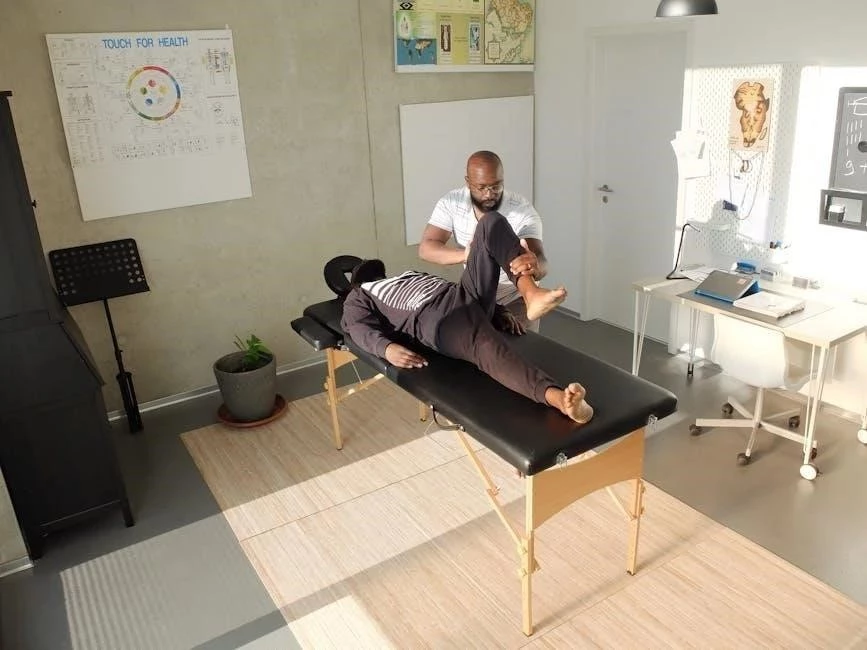
As a senior registered nurse with years of experience navigating the complex New York City healthcare landscape, I have witnessed firsthand the transformative power of occupational therapy for dementia at home․ In our bustling city, where living spaces are often cramped and fast-paced, ensuring memory care safety is not just a clinical goal but a daily necessity for families․ We work tirelessly to provide NYC seniors with the tools they need to maintain their dignity and functional independence within the comfort of their own residences․

Occupational therapy for dementia at home focuses on modifying the environment and simplifying daily tasks to help patients maintain their functional abilities․ By implementing specific memory care safety protocols, therapists reduce the risk of accidents and behavioral triggers, allowing patients to live more safely and independently in their familiar surroundings․

In the clinical environment of New York, the most significant risk I observe is the “spatial mismatch” between a patient’s declining cognitive abilities and the cluttered, high-sensory environment of a typical NYC apartment․ A common mistake is assuming that safety modifications like grab bars are enough; true clinical success requires an occupational therapist to analyze the patient’s specific cognitive “gaps” and tailor the environment to prevent the agitation that leads to falls or wandering․ Timing is critical, as introducing these modifications early in the diagnosis allows for the habituation of safer routines while the patient can still process new information․

The Essential Role of Occupational Therapy in the NYC Healthcare System

  • Navigating Urban Challenges: Occupational therapy for dementia at home is uniquely tailored to the challenges of living in a vertical city like New York․ Therapists evaluate the transition from narrow elevators to high-threshold doorways, ensuring that every movement within a patient’s home is calculated for safety․
  • Maintaining Functional Independence: The primary goal of an OT is to preserve “Activities of Daily Living” (ADLs)․ This includes everything from self-feeding and dressing to managing personal hygiene, which are often the first skills lost as dementia progresses․
  • Personalized Care Plans: Unlike generic hospital settings, in-home OT allows for a highly personalized approach that respects the patient’s history, culture, and specific household dynamics in New York’s diverse neighborhoods․
  • Integration with Primary Care: OTs serve as a bridge between the patient’s neurologist and their daily life, providing real-time data on cognitive decline that can help adjust medical treatments․
  • Psychological Benefits: By enabling a patient to perform even small tasks independently, OT significantly reduces the depression and anxiety often associated with the loss of control in dementia․

Occupational therapy for dementia at home is a cornerstone of modern geriatric care in New York․ The city’s healthcare infrastructure is increasingly leaning toward “aging in place” models, recognizing that seniors with cognitive impairments fare much better in familiar environments than in institutional settings․ In Manhattan or Brooklyn, where space is a premium, an OT’s expertise in spatial organization becomes a life-saving intervention․ They don’t just look at the patient; they look at the interaction between the patient and their physical world․ This holistic view is what differentiates occupational therapy from other forms of rehabilitation․ By focusing on “occupations”-the things people do every day to bring meaning to their lives-OTs help dementia patients retain their sense of self․

The NYC healthcare system can be overwhelming for families․ Between Medicaid requirements, private insurance limitations, and the sheer number of providers, many families feel lost․ Occupational therapists often act as advocates, helping families document the necessity of home modifications or increased care hours․ They understand the “Memory Care Safety” standards required by New York State and ensure that the home environment meets these rigorous criteria․ This advocacy is vital for maintaining a high standard of care in a city where the cost of living and healthcare can be prohibitively high․

Enhancing Memory Care Safety in the Home Environment

  • Fall Prevention Strategies: In New York apartments, area rugs, uneven floorboards, and loose electrical cords are major hazards․ OTs implement memory care safety by identifying these risks and suggesting permanent or semi-permanent fixes․
  • Wandering Management: For many NYC families living in high-rise buildings, wandering is a terrifying prospect․ OT interventions include installing specialized locks, using visual cues to “hide” exit doors, and utilizing GPS tracking technology․
  • Lighting and Vision Optimization: As dementia affects depth perception and contrast sensitivity, OTs recommend specific lighting configurations to reduce shadows and glare, which are frequent triggers for “sundowning” and confusion․
  • Cognitive Signage: Simple visual aids, such as pictures on kitchen cabinets or labels on bathroom doors, can drastically reduce the cognitive load on a patient, making the home a less frustrating place to navigate․
  • Bathroom Safety Overhaul: The bathroom is the most dangerous room for a dementia patient․ OTs supervise the installation of non-slip mats, raised toilet seats, and color-contrasted grab bars to ensure safety during grooming and toileting․

Safety is the foundation upon which all other dementia care is built․ Without a safe environment, the risk of a “sentinel event”-a serious injury or death-increases exponentially․ In the context of New York City, memory care safety also extends to the building’s common areas․ An occupational therapist may even evaluate the hallway lighting or the speed of the elevator doors to ensure the patient can safely leave their apartment for medical appointments or supervised walks․ This level of detail is necessary because dementia erodes the ability to judge speed, distance, and danger․

Furthermore, memory care safety involves addressing the sensory overload common in urban environments․ The constant sirens, construction noise, and street traffic of NYC can lead to “sensory flooding,” which manifests as agitation or aggression in dementia patients․ OTs work with families to create “quiet zones” within the apartment, using sound-dampening materials and soothing visual elements to help the patient self-regulate․ This proactive approach to safety manages both the physical and the behavioral risks associated with cognitive decline․

Adaptive Strategies for Activities of Daily Living (ADLs)

  • Simplified Dressing Routines: OTs teach caregivers how to present clothing in the order it should be put on and how to choose garments with Velcro instead of buttons to facilitate independence․
  • Nutritional Support and Feeding: Using weighted utensils or high-contrast plates can help a patient with dementia continue to feed themselves, which is crucial for maintaining dignity and muscle tone․
  • Task Sequencing: Breaking down complex tasks, like making a sandwich or brushing teeth, into single, manageable steps is a core OT technique known as “chaining․”
  • Bathing and Hygiene Protocols: OTs develop specialized bathing schedules and techniques that reduce the fear and resistance many dementia patients feel toward water and grooming rituals․
  • Meaningful Engagement: Beyond basic survival, OTs identify hobbies and interests the patient once had and adapt them to their current cognitive level, such as using simplified puzzles or tactile crafts․

The loss of the ability to perform ADLs is one of the most distressing aspects of dementia for both the patient and the family․ Occupational therapy for dementia at home addresses this by focusing on what the patient can still do, rather than what they have lost․ In NYC, where lifestyle and career often define a person’s identity, maintaining these daily functions helps preserve a sense of self․ For example, a retired New York chef might no longer be able to cook a five-course meal, but with OT guidance, they might still be able to help with simple vegetable washing or stirring, which keeps them engaged in the “occupation” of cooking․

These adaptive strategies are not just about “getting through the day․” They are clinical interventions designed to prevent secondary complications․ For instance, maintaining the ability to walk to the bathroom independently reduces the risk of urinary tract infections (UTIs) and skin breakdown․ Proper feeding techniques prevent aspiration pneumonia and malnutrition․ In the crowded medical facilities of NYC, preventing these secondary issues is essential for keeping the patient out of the emergency room and in their home where they belong․

Caregiver Education and Burnout Prevention

  • Body Mechanics Training: NYC caregivers often suffer from back injuries due to improper lifting techniques in small spaces․ OTs provide essential training on how to safely assist a patient with transfers․
  • Communication Techniques: OTs teach caregivers how to use “validation therapy” and simple verbal cues to reduce conflict and increase cooperation with the patient․
  • Stress Management: A significant portion of an OT’s job is assessing the caregiver’s well-being and providing resources for respite care within the NYC community․
  • Crisis De-escalation: When a patient becomes agitated, the caregiver needs a “toolbox” of sensory and environmental strategies to calm the situation without resorting to physical restraint or excessive medication․
  • Equipment Provision: OTs assist families in navigating the bureaucracy of obtaining durable medical equipment (DME) through insurance providers in New York․

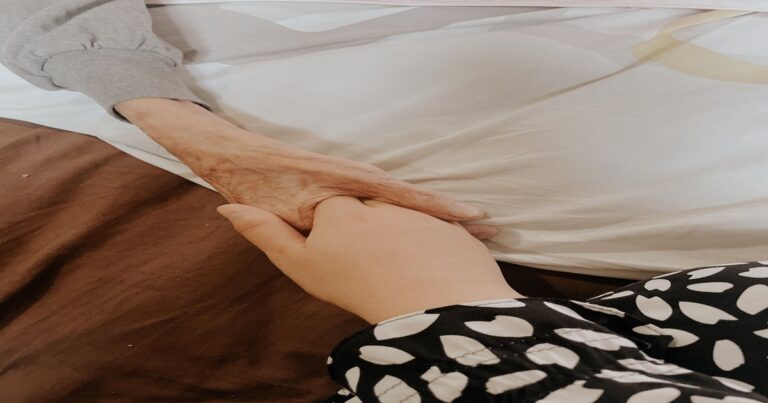
Caregiver burnout is a silent epidemic in the NYC healthcare system․ The emotional and physical toll of caring for someone with dementia can lead to serious health problems for the caregiver themselves․ Occupational therapy for dementia at home recognizes the caregiver as an integral part of the “care unit․” By simplifying the patient’s routine and making the home safer, the OT indirectly reduces the burden on the caregiver․ When a daughter no longer has to worry about her father wandering out of their Queens apartment because a safety system is in place, her stress levels drop significantly․

Moreover, OTs provide a sense of empowerment to family members․ Instead of feeling like helpless bystanders to a progressive disease, they become skilled partners in the patient’s care․ They learn to “read” the patient’s non-verbal cues and understand the “why” behind difficult behaviors․ This education is particularly important in NYC, where families may be separated from other support systems and rely heavily on home care professionals to guide them through the journey of dementia care․

The Impact of the Physical Environment on Behavioral Health

  • Color Contrasting: Using bright tape on the edge of stairs or a dark toilet seat on a white floor helps patients with declining vision navigate safely, reducing anxiety and falls․
  • De-cluttering for Focus: NYC apartments are prone to clutter․ OTs help families streamline their living spaces to reduce the “visual noise” that can cause cognitive overload and confusion․
  • Orientation Aids: Digital clocks that show the day, date, and time of day (morning/afternoon) are placed strategically to help orient the patient to time and place․
  • Safe “Pacing” Paths: For patients who pace, OTs can designate a safe, circular path within the home that is free of obstacles, allowing the patient to move without risk․
  • Sensory Integration: Utilizing weighted blankets or specific scents like lavender can be part of an OT-designed plan to manage evening agitation, known as sundowning․

In New York, the physical environment is often the biggest obstacle to memory care safety․ Many residents live in buildings that were constructed long before modern safety standards were established․ Narrow hallways, steep stairs, and poor ventilation are common․ An occupational therapist specializing in dementia knows how to work within these constraints․ They might suggest changing the “flow” of a room to prevent a patient from getting “trapped” in a corner, or they might use mirrors-which can be frightening to some dementia patients-in a way that doesn’t cause distress․

The psychological impact of the environment cannot be overstated․ A chaotic home leads to a chaotic mind․ By creating a predictable, calm, and safe physical space, occupational therapy for dementia at home directly improves the patient’s behavioral health․ This reduces the need for antipsychotic medications, which often have dangerous side effects in the elderly․ In the clinical community of NYC, this “non-pharmacological” approach is highly valued for its ability to improve quality of life while minimizing medical risks․

Leveraging Technology for Dementia Care in New York

  • Smart Home Monitoring: Motion sensors can alert caregivers in another room-or via a smartphone if they are at work-to movements that might indicate a fall or a wandering attempt․
  • Automated Medication Dispensers: To ensure memory care safety, these devices provide the right dose at the right time, preventing the dangerous “doubling up” on medications often seen in dementia patients․
  • Simplified Communication Devices: One-button phones or specialized tablets allow NYC seniors to stay connected with family members, reducing the social isolation that accelerates cognitive decline․
  • Environmental Controls: Smart thermostats and lighting systems can be programmed to adjust automatically, ensuring the home is always comfortable and well-lit without the patient needing to remember how to use the controls․
  • GPS and Wearables: For those in the early stages who still walk in their NYC neighborhoods, wearable technology provides a safety net that allows for continued community engagement․

As we look to the future of occupational therapy for dementia at home, technology plays an increasingly important role․ New York City is a hub for “Age-Tech” innovation, and OTs are at the forefront of integrating these tools into the home․ However, the expert guidance of a therapist is necessary to ensure the technology doesn’t become another source of confusion for the patient․ The goal is to make the technology “invisible”-something that supports the patient’s safety and function without requiring them to learn complex new skills․

ProLife Home Care is the premier choice for families seeking occupational therapy for dementia at home because we combine clinical excellence with a deep understanding of the unique challenges of NYC living․ Our dedicated team ensures that every patient achieves the highest possible level of memory care safety while remaining in the comfort of their own community․ To learn more about how we can support your family, please visit prolifehc․com․

ServiceWhat It IncludesWhy It Matters<br />
Environmental ModificationAssessing the home for hazards and installing safety equipment․Directly improves memory care safety and prevents hospitalizations․
ADL RetrainingTeaching patients and caregivers new ways to perform daily tasks․Preserves independence and reduces the daily burden on family members․
Behavioral InterventionCreating routines and sensory plans to manage dementia-related agitation․Improves quality of life and reduces the need for sedative medications․
Contact ProLife Home Care NYC for a free clinical assessment:(718) 232 – 2777

Frequently Asked Questions

What is the primary goal of occupational therapy for dementia at home?

The primary goal is to help patients maintain their independence by adapting their environment and daily routines to match their cognitive abilities․

How does an occupational therapist improve memory care safety in a small NYC apartment?

They identify specific hazards like clutter or poor lighting and suggest modifications like grab bars, better lighting, and wandering prevention tools tailored to the apartment’s layout․

At what stage of dementia should a family start occupational therapy?

It is best to start as early as possible after a diagnosis so that safety routines and home modifications can be established while the patient can still adapt to changes․

Can occupational therapy help reduce caregiver stress in New York City?

Yes, by teaching caregivers proper body mechanics and behavioral management techniques, OT significantly reduces the physical and emotional toll of caregiving․

Does occupational therapy for dementia at home help with behavioral issues like aggression?

Yes, OTs use non-pharmacological strategies like sensory integration and environmental simplification to address the triggers that cause agitation and aggression․

Contact ProLife Home Care NYC for a free clinical assessment: (718) 232-2777