
As a senior registered nurse working within the diverse neighborhoods of New York, I have seen firsthand how the compact nature of Brooklyn housing presents unique challenges for aging residents. Many of our patients live in historic brownstones or pre-war apartments where space is at a premium, making traditional accessibility upgrades difficult to implement. Selecting the right equipment for these tight quarters is not just a matter of home improvement, but a critical clinical intervention to prevent life-altering falls. We prioritize solutions that balance the structural limitations of urban living with the essential need for long-term bathroom safety walk-in tubs Brooklyn residents require to maintain their independence.
Selecting a walk-in tub for a small Brooklyn bathroom requires choosing models with a compact footprint, typically measuring around 48 to 52 inches in length, and opting for inward-swinging doors to conserve floor space. These specialized units provide the same high-entry safety features as standard models while fitting into the narrow alcoves common in New York City apartments. Integrating these tubs into a comprehensive plan for Bathroom Safety ensures that even the most restricted spaces can become accessible and secure for seniors.
Living in Brooklyn offers a vibrant lifestyle, but the architectural reality of many local residences presents significant hurdles for seniors and individuals with mobility issues; The majority of housing stock in neighborhoods like Brooklyn Heights, Park Slope, and Bedford-Stuyvesant consists of pre-war buildings characterized by narrow hallways and exceptionally small bathrooms. For these residents, the standard bathtub is often the greatest physical barrier to remaining safely at home. Implementing bathroom safety walk-in tubs Brooklyn solutions requires a deep understanding of both clinical needs and urban spatial constraints.
The Clinical Importance of Bathroom Safety in Urban Environments
In the field of geriatric nursing, we often refer to the bathroom as the most hazardous room in the house. In a crowded city like New York, this risk is amplified by the fact that many bathrooms are not only small but also lack proper ventilation and lighting. When we discuss Bathroom Safety, we are looking at a multi-faceted approach to preventing falls, which are the leading cause of injury-related hospitalizations among New Yorkers aged 65 and older.
- Reduced Center of Gravity: Walk-in tubs allow users to enter the tub through a low-threshold door, usually only a few inches high, which eliminates the need to balance on one leg while stepping over a 15-inch standard tub wall.
- Stability and Seating: Integrated, ADA-compliant seating ensures that the patient remains stable during the bathing process, which is vital for those with orthostatic hypotension or balance disorders.
- Hydrotherapy Benefits: For patients in Brooklyn dealing with chronic pain, arthritis, or circulatory issues common in sedentary aging, the therapeutic jets in a walk-in tub can improve mobility and reduce the reliance on pain medications.
- Psychological Security: The fear of falling often leads to “hygiene neglect” among seniors; a safe tub restores the confidence needed to maintain personal care, which is essential for skin integrity and infection prevention.
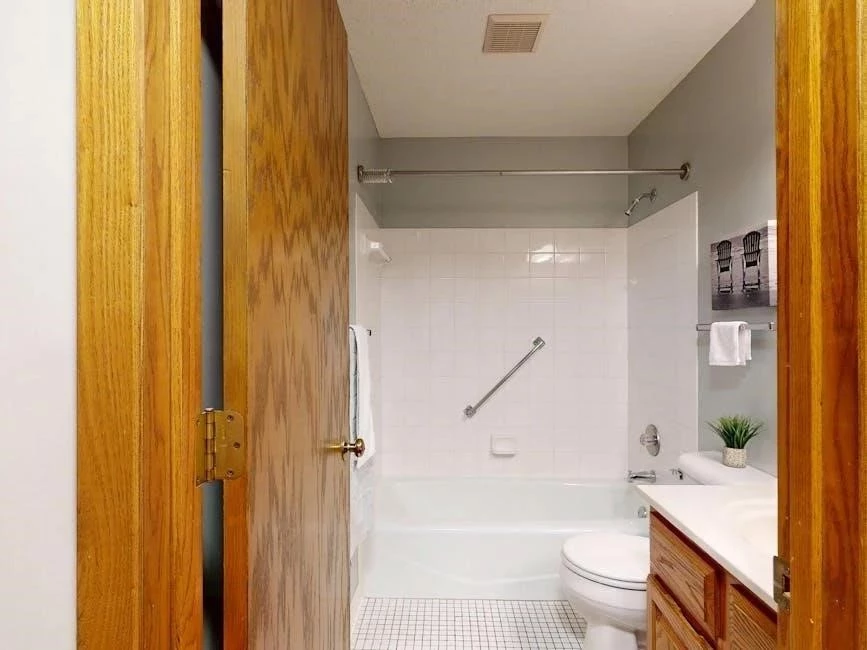
Choosing the Right Model for Brooklyn Small Bathrooms
When space is limited, every inch counts. In many Brooklyn apartments, a standard 60-inch tub simply won’t fit or leaves no room for a walker or wheelchair to maneuver. Fortunately, the industry has responded with compact models specifically designed for urban “tiny living.”
- The Space-Saver or “Front-Entry” Model: These tubs are shorter but often deeper than standard tubs. They allow the user to sit comfortably while the water reaches a depth that provides a full soak, fitting into spaces as small as 48 inches long.
- Inward-Swinging Doors: For a small Brooklyn bathroom, an outward-swinging door is often impossible because it would hit the toilet or the vanity. Inward-swinging doors use the weight of the water to create a tight seal and require zero exterior clearance.
- Wall-to-Wall Installations: Custom-fit kits can bridge the gap between a shorter walk-in tub and the existing walls of a Brooklyn bathroom alcove, ensuring a seamless look and preventing water from leaking into the subflooring of old buildings;
- Narrow Widths: Some models are designed to be 26 to 28 inches wide, allowing them to pass through the narrow 30-inch doorways frequently found in older New York City apartment buildings without requiring the demolition of the door frame.
The Nursing Perspective on Fall Prevention and Transfers
As a healthcare professional, my primary concern is the “transfer.” This is the moment a person moves from a standing position, or a seated position outside the tub, to the seated position inside the tub. In a cramped Brooklyn bathroom, there is rarely room for two people to assist in this process. Therefore, the tub must be designed for maximum self-sufficiency.
We look for features like strategically placed grab bars that are integrated into the tub’s frame. In a small space, a wall-mounted grab bar might not be in the ergonomically correct position relative to where the person needs to sit. By selecting a unit that has bathroom safety walk-in tubs Brooklyn certified features, we ensure the patient has a point of contact at all times during the transition. Furthermore, the floor of these tubs is treated with non-slip textures that are far more effective than the suction-cup mats many seniors try to use in standard tubs.
Technical Considerations for NYC Apartment Dwellers
Installing a walk-in tub in a Brooklyn apartment is more complex than in a suburban house. It involves navigating the New York City plumbing codes and, in many cases, building management or co-op board requirements. It is essential that any installation for Bathroom Safety is performed by licensed professionals who understand these local nuances.
- Drainage Speed: One common complaint among walk-in tub users is the time spent waiting for the tub to drain before they can open the door. In small NYC apartments, high-speed drainage systems are essential to prevent the user from becoming chilled, which can lead to muscle cramping or respiratory issues in elderly patients.
- Water Heater Capacity: Many older Brooklyn buildings have limited hot water supplies. Compact walk-in tubs often hold more water than a standard tub due to their depth. A nurse or contractor should evaluate whether the home’s current water heating system can handle the volume to ensure the patient doesn’t end up in a lukewarm bath.
- Floor Load Capacity: A full walk-in tub is heavy. In historic Brooklyn homes with wood-joist flooring, a structural assessment might be necessary to ensure the floor can support the concentrated weight of the tub and the water.
- Electrical Requirements: If the tub includes a heated backrest or air jets, it will require a dedicated GFCI circuit. NYC electrical codes are strict, and ensuring the bathroom’s wiring is up to date is a critical part of the overall safety plan.
Integrating Home Care with Bathroom Modifications
A walk-in tub is a powerful tool, but it is most effective when combined with professional home care services. In Brooklyn, where families are often spread out across the boroughs or even further, having a home health aide or nurse to assist with the bathing process adds an extra layer of security. We can monitor the patient for skin breakdown, ensure the water temperature is safe to prevent burns (especially important for those with diabetic neuropathy), and help with the post-bath drying and dressing process, which is where many falls occur due to wet floors.
By focusing on the specific needs of the Brooklyn resident—acknowledging the tight spaces, the old plumbing, and the high risk of falls—we can create a safer environment that honors the patient’s desire to age with dignity. Investing in Bathroom Safety is not just about a piece of equipment; it is about preserving the quality of life for our community’s most vulnerable members.
| Service | What It Includes | Why It Matters |
|---|---|---|
| Compact Tub Selection | Sourcing tubs 48-52 inches long | Fits into small Brooklyn alcoves |
| Safety Assessments | In-home evaluation by an RN | Identifies specific fall risks |
| Professional Installation | Licensed plumbing and electrical work | Ensures NYC code compliance and safety |
Frequently asked questions
What is the best tub size for a small Brooklyn apartment?
Most small NYC bathrooms accommodate tubs that are 48 to 52 inches in length with an inward-swinging door.
Does insurance cover bathroom safety walk-in tubs Brooklyn installations?
While traditional Medicare often does not cover the tub itself, certain Medicaid MLTC plans or veteran benefits may provide financial assistance for home modifications.
How do I prevent mold in a small Brooklyn bathroom with a walk-in tub?
Ensure the bathroom has a high-quality exhaust fan and use a tub model with a self-cleaning ozone system to kill bacteria.
Are walk-in tubs safe for people with dementia?
Yes, provided they are supervised by a caregiver to ensure they do not open the door while the tub is full and to help manage water temperatures.
What is the main benefit of Bathroom Safety modifications?
The primary benefit is the significant reduction in fall-related injuries, which allows seniors to remain in their homes longer and avoid nursing home placement.
Contact ProLife Home Care NYC for a free clinical assessment:(718) 232 – 2777