As a senior registered nurse with extensive experience in the New York clinical landscape, I have navigated the complex journey many families face when transitioning a loved one from a hospital setting to a residential one. Richmond University Medical Center senior care offers high-quality acute treatment, but the recovery phase often requires specialized nursing to ensure long-term stability. Providing dedicated Staten Island Support means recognizing that the borough has a unique demographic and logistical environment that requires localized, professional expertise. My goal is always to ensure that every patient discharged on the North Shore or beyond receives the clinical oversight they need to age safely in place.
Specialized nursing after a stay at RUMC provides a clinical safety net that includes medication management, wound care, and chronic disease monitoring. This level of SI clinical support ensures that seniors avoid common post-discharge complications and can recover in the comfort and safety of their own homes. By bridging the gap between hospital-level care and home life, specialized nurses significantly reduce the risk of emergency room returns.
In the New York healthcare system, specifically within the Staten Island corridor, the first 48 to 72 hours following a hospital discharge are the most precarious for any senior. A common mistake I see is families assuming that discharge papers provide enough guidance to manage complex conditions like congestive heart failure or post-surgical recovery without professional help. Clinical insight suggests that having an RN or LPN visit the home within the first day of leaving RUMC is the single most effective way to catch medication errors, which occur in nearly 60% of senior discharges in urban settings.
Understanding the Importance of Staten Island Support for Seniors
Staten Island is often described as the “forgotten borough,” but when it comes to healthcare, our senior population is a primary focus for local providers. The transition from Richmond University Medical Center senior care to home-based recovery is a critical juncture that requires more than just family help. The borough’s layout, from the busy streets of St. George to the quieter neighborhoods of Tottenville, presents unique challenges for healthcare accessibility. When a senior is discharged from RUMC, they are entering a phase where the highly controlled environment of the hospital is replaced by the unpredictability of home life. This is where specialized clinical support becomes an absolute necessity.
- Coordination between hospital discharge planners and home-based clinical teams.
- The role of the Staten Island environment in patient mobility and access to follow-up care.
- The psychological benefit of recovering in a familiar setting with professional medical oversight.
- Reducing the burden on family members who may not have the clinical training required for complex care.
Professional nursing in the home setting is not just about checking a pulse; it is about holistic management of the patient’s environment. In New York, where families are often juggling demanding work schedules, the presence of a specialized nurse ensures that the “care gap” is filled. This gap is the space where mistakes happen-missed doses of blood thinners, improperly cleaned surgical sites, or a failure to recognize the subtle signs of a burgeoning infection. Specialized nursing brings the expertise of RUMC directly into the living room, ensuring that the high standard of care initiated in the hospital is maintained throughout the recovery process.
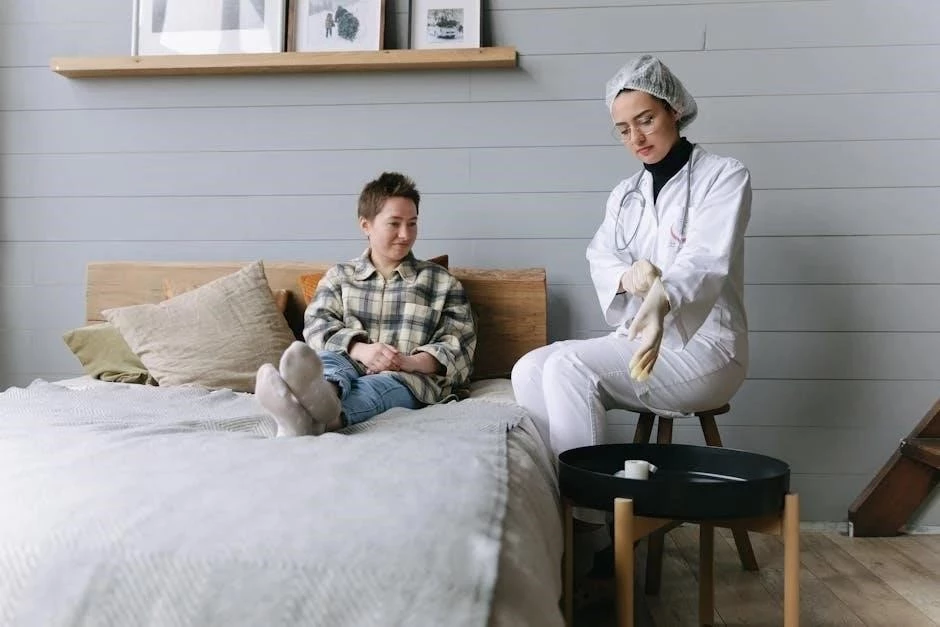
The Clinical Reality of Senior Care at Richmond University Medical Center
Richmond University Medical Center (RUMC) is a cornerstone of the Staten Island healthcare infrastructure. It handles a massive volume of geriatric cases, ranging from orthopedic surgeries to cardiac interventions and pulmonary management. While the hospital staff does an incredible job of stabilizing patients, the “senior care” aspect must extend beyond the hospital walls. The clinical reality is that many seniors leaving the hospital are still in a fragile state. They may be dealing with the side effects of anesthesia, new medications that cause dizziness, or physical limitations that make their previous home layout dangerous.
- Managing multiple chronic conditions (comorbidities) that are common in the SI senior population.
- Addressing the specific needs of patients recovering from procedures at RUMC’s specialized units.
- Ensuring that the transition from a 24/7 monitored environment to a home setting is gradual and safe.
- Utilizing clinical data from the hospital stay to inform the home care plan.
For a senior, a “successful discharge” is not just about leaving the building; it is about not coming back for at least 30 days. In the medical field, we look at the 30-day readmission rate as a primary indicator of quality care. Specialized nursing helps keep these rates low by providing “eyes on the patient” that a family member simply cannot provide. A nurse can auscultate lungs to check for fluid buildup, monitor blood glucose levels with precision, and evaluate the patient’s cognitive state to ensure that delirium or confusion isn’t setting in-a common issue for seniors after a hospital stay.
High-Risk Interventions and Specialized Nursing Roles
When we talk about specialized nursing after RUMC, we are often talking about high-stakes clinical interventions. For example, a senior who has undergone hip or knee replacement at RUMC needs intensive physical monitoring. The nurse ensures that pain management is adequate but not sedating to the point of causing fall risks. They also monitor for Deep Vein Thrombosis (DVT), a life-threatening risk after orthopedic surgery. This level of SI clinical support is what prevents a recovery from turning into a crisis.
- Advanced wound care for post-surgical incisions or pressure ulcers.
- Intravenous (IV) therapy and antibiotic administration performed safely at home.
- Catheter care and management of other medical devices that require sterile techniques.
- Respiratory therapy support for patients with COPD or post-COVID complications.
Furthermore, specialized nursing involves significant education. In New York, we deal with a diverse population with varying levels of health literacy. A nurse’s role is to translate complex medical jargon into actionable steps for the patient and their family. This includes teaching them how to use a nebulizer, how to spot the signs of a stroke, or how to manage a restricted diet. By empowering the patient and the family through education, the specialized nurse creates a sustainable environment for long-term health.
The Logistics of Care: Staten Island’s Unique Challenges
Staten Island presents specific logistical hurdles that can impact senior care. Unlike Manhattan, where a pharmacy might be on every corner, some parts of Staten Island are “pharmacy deserts” or require significant travel. Traffic on the Staten Island Expressway or Hylan Boulevard can make getting to follow-up appointments a nightmare for a senior with limited mobility. Specialized nursing solves this by bringing the clinical support to the patient, reducing the need for stressful and often painful travel during the early stages of recovery.
- Overcoming transportation barriers for follow-up medical visits.
- Ensuring that home medical equipment (hospital beds, oxygen tanks) is delivered and set up correctly.
- Integrating local community resources into the patient’s care plan.
- Managing the “social isolation” that many Staten Island seniors face when they are homebound.
A specialized nurse also acts as a liaison between the patient and their primary care physician or the specialists at RUMC. In the fragmented New York healthcare system, communication is often the first thing to break down. The nurse can call the doctor’s office with specific, clinical observations that help the physician adjust medications or treatments without requiring an in-office visit. This level of advocacy is a core component of Staten Island Support, ensuring that no patient feels lost in the system.
Preventing Readmission: The Role of Observation and Timing
The goal of all SI clinical support is the prevention of hospital readmission. The data shows that most readmissions from RUMC are preventable. They happen because a patient didn’t understand their new heart medication, or they didn’t realize that their swollen ankles were a sign of worsening heart failure. A specialized nurse is trained to spot these “red flags” long before they require an ambulance call. This proactive approach is the hallmark of high-quality senior care.
- Daily or weekly vitals tracking to establish a “new normal” post-hospitalization.
- Medication reconciliation to ensure that old prescriptions aren’t being taken alongside new ones.
- Fall risk assessments and home safety evaluations to prevent fractures.
- Early identification of infections, particularly Urinary Tract Infections (UTIs), which can cause sudden decline in seniors.
Timing is everything. If a nurse identifies a problem on Tuesday, it can often be handled with a phone call to the doctor and a change in pill dosage. If that same problem isn’t identified until Saturday night, the only option is the Emergency Room. In the context of Richmond University Medical Center senior care, the extension of clinical oversight into the home is the most effective way to ensure that the healing started in the hospital actually reaches its conclusion.
Comprehensive Support for the Staten Island Community
Building a support system for a senior requires a village. It involves the doctors at RUMC, the specialized nurses in the home, the family caregivers, and even the local pharmacist; Specialized nursing serves as the glue that holds these pieces together. For the residents of Staten Island, having access to high-caliber clinical support is not just a luxury; it is a fundamental part of maintaining the health and dignity of our aging population; By focusing on specialized nursing, we ensure that our seniors don’t just survive their hospital stay-they thrive after it.
- Collaboration with local Staten Island social services and senior centers.
- Providing emotional support and counseling for seniors dealing with a loss of independence.
- Developing long-term care plans that evolve as the patient’s needs change.
- Ensuring that end-of-life wishes and advance directives are respected and understood by the care team.
Ultimately, the journey from RUMC to home is one that should be defined by progress, not setbacks. With the right clinical support, Staten Island seniors can enjoy their golden years in the neighborhoods they love, surrounded by the people they care about, while receiving the medical attention they deserve. The specialized nursing model is the gold standard for achieving this balance in the modern New York healthcare environment.
ProLife Home Care is the premier choice for families seeking clinical excellence, offering tailored nursing plans that bridge the gap between hospital discharge and home recovery. Our team understands the specific needs of the local community, providing the highest level of home care in Staten Island to ensure safety and peace of mind.
| Service | What It Includes | Why It Matters || :— | :— | :— |
| Medication Management | Reviewing all prescriptions and organizing dosages | Prevents dangerous drug interactions and missed doses |
| Clinical Monitoring | Regular assessment of vitals and physical symptoms | Detects early signs of complications to avoid ER visits |
| Surgical Aftercare | Dressing changes, wound cleaning, and drain management | Significantly reduces the risk of post-operative infections |Contact ProLife Home Care NYC for a free clinical assessment:(718) 232 – 2777
Frequently Asked Questions
What is SI Clinical Support?
It is a specialized form of nursing and therapeutic care provided in the home, specifically designed to help Staten Island residents recover after a hospital stay or manage chronic conditions.
Why is nursing needed after RUMC?
Hospital stays are shorter than they used to be, and many seniors are discharged while still needing professional monitoring for wounds, medications, and physical stability.
How does nursing help seniors in SI?
It removes the logistical stress of traveling to appointments and provides a professional clinical eye in the home, which is essential for patients in the borough’s diverse residential settings.
Is home nursing safer than being alone?
Yes, professional nursing significantly reduces the risk of falls, medication errors, and unrecognized infections, which are the leading causes of readmission for seniors.
What tasks do nurses perform post-RUMC?
Nurses handle complex tasks such as IV therapy, medication reconciliation, diabetic teaching, wound care, and coordinating with the hospital's discharge team for follow-up care.
Contact ProLife Home Care NYC for a free clinical assessment: (718) 232-2777