As a senior registered nurse with years of experience serving the diverse communities of the Bronx, I have seen firsthand how critical the transition from hospital to home can be for our patients. In the Belmont neighborhood, staying vigilant about post-discharge health is essential, especially when it involves monitoring for signs of sepsis or secondary infections. St. Barnabas Hospital infection control protocols are designed to protect you while in the facility, but once you return home, the responsibility shifts to family and home care providers to maintain that high standard of safety. Understanding the Belmont Alert system for spotting sepsis early can literally be the difference between a successful recovery and a dangerous readmission.
The Belmont Alert is a clinical framework used to identify early signs of sepsis and infection in homebound patients near St. Barnabas Hospital. It requires immediate action if a patient exhibits a high fever, sudden mental confusion, or extreme shivering, as these are indicators of a systemic inflammatory response. When these symptoms appear, it triggers a Clinical Alert that necessitates urgent medical evaluation to prevent organ failure.
Understanding the Sepsis Threat in the Bronx
- Sepsis is a life-threatening emergency that happens when your body’s response to an infection damages its own tissues.
- In the Belmont neighborhood, many patients transitioning from St. Barnabas Hospital are at a higher risk due to underlying chronic conditions like diabetes or heart disease.
- A Clinical Alert for sepsis is not just a suggestion; it is a mandate for immediate medical intervention to stop the progression of the illness.
- Infection control does not end at the hospital doors; it must be a continuous process that follows the patient into their living room and bedroom.
- Educational initiatives in the Bronx emphasize that sepsis can mimic other conditions, making professional home care observation vital.
St. Barnabas Hospital Infection Control and Post-Discharge Safety
St. Barnabas Hospital is a cornerstone of healthcare in the Bronx, and their infection control department works tirelessly to minimize hospital-acquired infections. However, once a patient is discharged to their home in Belmont, the environment changes. The sterile atmosphere of the hospital is replaced by a community setting where pathogens can be more easily introduced if protocols are not followed.
The transition period is when a patient is most vulnerable. St. Barnabas Hospital infection control guidelines recommend strict hand hygiene for all visitors and caregivers. Furthermore, any surgical sites or IV lines must be inspected daily for redness, warmth, or discharge. If these signs are ignored, they can lead to localized infections that quickly turn into systemic sepsis. By adhering to a strict Clinical Alert system at home, we can maintain the progress made during the hospital stay.
Recognizing the Clinical Alert: Signs of Sepsis at Home
- Temperature Extremes: While a high fever (over 101 degrees Fahrenheit) is common, a dangerously low body temperature can also signal advanced sepsis.
- Altered Mental State: If a loved one becomes suddenly confused, drowsy, or difficult to wake, this is a major Clinical Alert.
- Rapid Heart Rate: A heart that is racing even while the patient is resting is a sign that the body is struggling to maintain blood flow.
- Shortness of Breath: Difficulty breathing or rapid, shallow breaths can indicate that the infection is affecting the respiratory system.
- Mottled Skin: Skin that looks blue, pale, or has a “marbled” appearance suggests that the organs are not receiving enough oxygen.
The Role of the Caregiver in the Belmont Alert System
Caregivers are the first line of defense in the Belmont area. Because they spend the most time with the patient, they are the most likely to notice the subtle changes that trigger a Clinical Alert. It is essential for caregivers to keep a log of vital signs, including temperature, heart rate, and blood pressure.
When communicating with the St. Barnabas Hospital infection control team or emergency responders, caregivers should use the term “Sepsis” or “Clinical Alert” specifically. This helps medical professionals prioritize the case. In the crowded residential areas of the Bronx, knowing exactly when to call for an ambulance can save lives, as traffic and response times must be factored into the care plan.
Practical Steps to Prevent Infection in the Home
- Hand Hygiene: This is the single most effective way to prevent the spread of germs. Use soap and water or an alcohol-based sanitizer before touching the patient.
- Wound Care: Follow the exact instructions provided by the St. Barnabas Hospital discharge team regarding dressing changes.
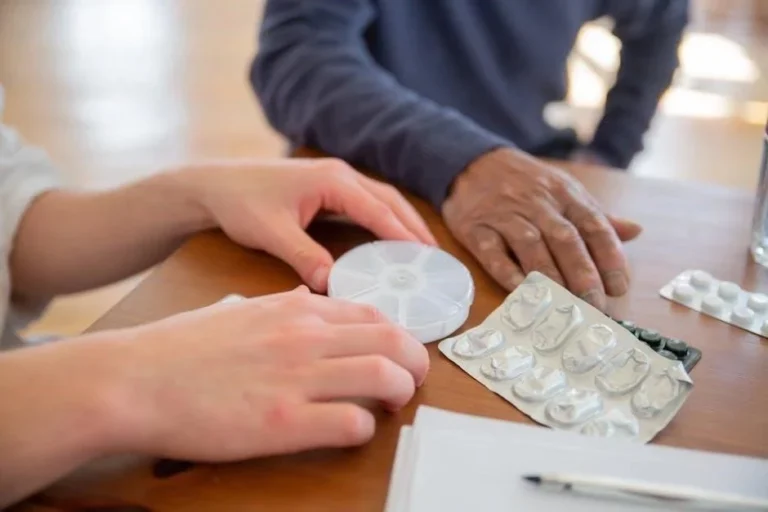
- Medication Adherence: Completing the full course of antibiotics is crucial. Stopping early can lead to antibiotic-resistant infections.
- Nutrition and Hydration: A body fighting an infection needs fuel. Ensure the patient is drinking plenty of fluids and eating nutrient-dense meals.
- Environmental Cleaning: Regularly disinfect high-touch surfaces like doorknobs, remote controls, and bedrails.
Navigating the NYC Healthcare System for Emergency Care
The New York City healthcare landscape is complex, but for those living near Belmont, St. Barnabas Hospital serves as the primary hub for acute care. If a Clinical Alert is triggered at home, it is often best to return to the facility where the patient’s recent medical history is already on file.
During the transport, ensure that you have a list of all current medications and the discharge summary from the previous visit. This allows the ER staff to quickly understand the context of the infection. In the Bronx, community support and professional home health services work hand-in-hand to ensure that no patient falls through the cracks of the system.
| Service | What It Includes | Why It Matters | ||
|---|---|---|---|---|
| :— | :— | :— | ||
| Vital Sign Monitoring | Regular checks of BP, HR, and Temp | Early detection of the Clinical Alert triggers | ||
| Wound Care Management | Professional dressing changes and site inspection | Prevents local infections from becoming sepsis | ||
| Medication Management | Assistance with antibiotic and IV schedules | Ensures the infection is fully eradicated |
Frequently asked questions
What is the first sign of sepsis I should look for at home?
The most common early signs include a sudden fever or chills, coupled with a significantly increased heart rate and a general feeling of being extremely unwell.
How does St. Barnabas Hospital infection control help me after I leave?
They provide specific discharge instructions and wound care protocols designed to minimize the risk of germs entering your body during the healing process.
When should I call for a Clinical Alert emergency?
You should call 911 immediately if the patient shows signs of confusion, has a very low blood pressure, or is struggling to breathe after a recent surgery or illness.
Can sepsis be treated at home in the Belmont area?
No, sepsis is a medical emergency that requires intravenous antibiotics and fluids administered in a hospital setting like St. Barnabas.
Are elderly patients in the Bronx at higher risk for these infections?
Yes, older adults often have weaker immune systems and may not show typical symptoms like fever, making professional home monitoring essential.
Contact ProLife Home Care NYC for a free clinical assessment:(718) 232 – 2777